Hackers' Pub is a place for software engineers to share their knowledge and experience with each other. It's also an ActivityPub-enabled social network, so you can follow your favorite hackers in the fediverse and get their latest posts in your feed.
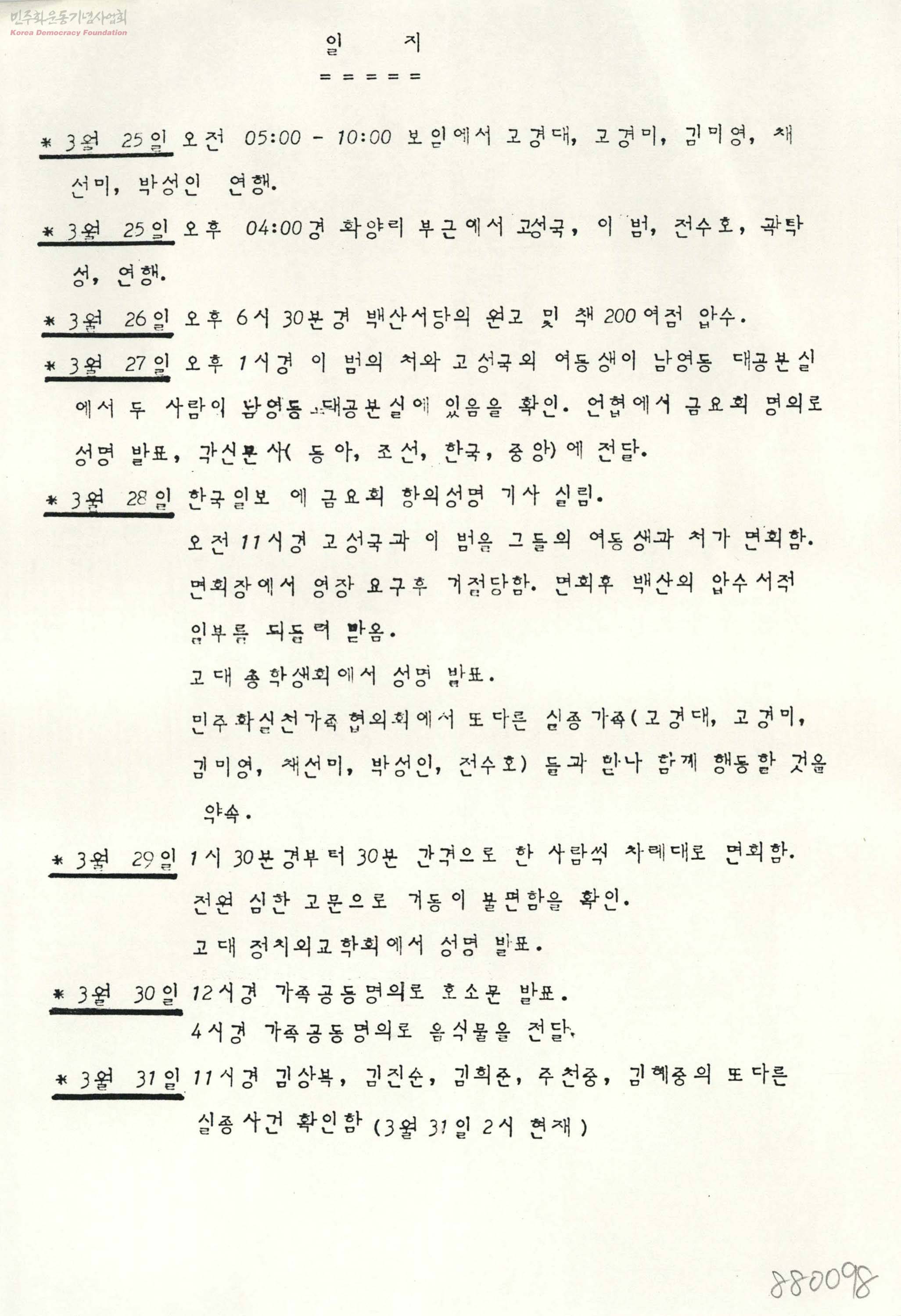
"한강에 거꾸로 담가야" 고문 생생한데… 검찰, 납북어부 2차 피해 재심에 '묵묵부답'
www.hankookilbo.com/news/article...
"박씨는 본보에 "신명구씨가 간첩이라고 많은 사람이 잡혀가 이런 일을 당했는데, 그 사람이 무죄면 남편도 무죄 아니냐"며 "산증인이 있는데도 기록이 제대로 없다고 기각된 게 억울하다"고 호소했다. 신지우씨도 지난해 5월 광주지법 순천지원에 재심을 청구했지만 검찰은 '기각' 의견을 냈다. 주범의 무죄확정판결 자체는 새로운 '증거'에 해당되지 않아 재심 개시 사유가 안 된단 논리였다."
[단독]5분만에 음식 조리·포장까지?···자영업자 쥐어짜는 쿠팡이츠
www.khan.co.kr/article/2026...
"30일 경향신문 취재를 종합하면, 쿠팡이츠는 최근 권장 조리시간을 더 짧게 변경한 것으로 파악됐다. 매장과 메뉴에 따라 달라지지만, 일부 가게들에선 주문 접수 시 음식을 조리하고 포장을 해서 배달을 보내는 기본 권장 시간이 5분으로 설정된다. 윤씨 가게의 경우 과거엔 기본 권장시간이 10분이었지만, 현재는 5분으로 줄었다고 했다."
An Australian-Jordanian developer launched a TikTok clone called UpScrolled that was supposed to be a haven for pro-Palestinian content in the face of shadow bans. It reached 1,000,000 users this week and sits atop App Store rankings. It is now being subsumed by Nazis, with mods unable to keep up.
Protobuf를 제거하고 Rust↔C 직접 바인딩으로 성능 5배 개선 ------------------------------ - PostgreSQL 확장 프록시인 PgDog 가 SQL 파싱 성능을 높이기 위해 *Protobuf 직렬화 대신 Rust 직접 바인딩* 을 도입 - 기존 Protobuf 기반 구조를 *C–Rust 직접 변환(bindgen + Claude 생성 래퍼)* 으로 교체해 *파싱 5.45배, 디파싱 9.64배* 속도 향상 - 성능 병목은 *pg_query_parse_protobuf* 함수… ------------------------------ https://news.hada.io/topic?id=26253&utm_source=googlechat&utm_medium=bot&utm_campaign=1834
빌 게이츠가 러시아 소녀들과 성관계를 가진 후 아내 멜린다 게이츠에게 성병을 숨기려고 했다는 내용의 엡스타인과의 이메일도 공개됨.
이에 대해 빌 게이츠는 '전혀 터무니없고 완전히 거짓'이라고 말하는 중인데 멜린다의 말을 생각해보면 빌 게이츠의 주장이 그렇게 설득력 있지는 않다.
Mouse Systems Corporation: M-1 Mouse (OEM version: Sun Type 4) One of the two first optical mice, released in 1982, the original price was (USD): $295, equivalent to $1,000 today.
"What day/night will be the wildest party on your island" is exactly what I say to people when i am "REFUSING" to associate with them
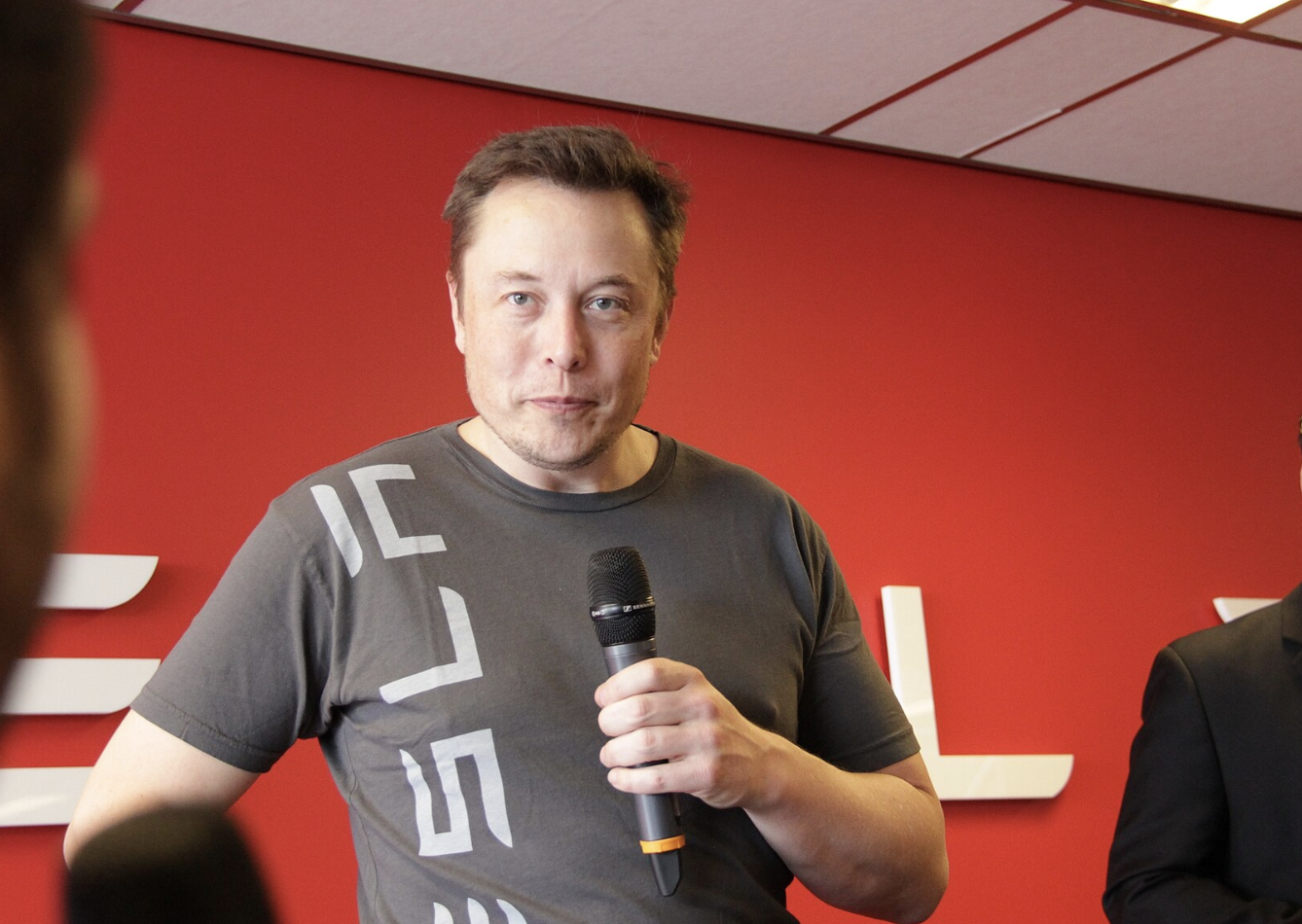
www.404media.co/musk-to-epst...
블룸버그는 30일 금값이 12% 이상 폭락하며 온스당 5000달러 밑으로 떨어졌다고 보도했습니다. 은값 하락 폭은 36%로 더욱 컸습니다. 금값의 일일 하락 폭은 1980년대 초 이래, 은값 하락 폭은 역대 최대입니다. 케빈 워시가 차기 연준 이사회 의장으로 지명된 것이 일차적 원인으로 꼽힙니다.
And last is... me! Hi, I'm looking for work. I was the animation lead for Wanderstop. I rigged every character, set the animation style, hired and set schedules, and did a huge amount of animation and anim code, FX work, and more. Enjoy my new demo reel and then email me at jobs@auratriolo.com!
The Anachronistic Internet: When Cat Videos Actually Mattered
Summary: A late-night, sleep-deprived rant about how the internet used to work, triggered by watching 2 Broke Girls and realizing how anachronistic everything feels now.
The Anachronistic Internet: When Cat Videos Actually Mattered
So here I am, 3 AM, can’t sleep, supposed to give a talk at FOSDEM in a few hours, and I’m pretty sure I’m getting sick after three weeks of travel. What does any rational human do in this situation? Watch 2 Broke Girls, obviously.
And holy shit, does that show feel anachronistic now.
Hipsters Don’t Exist Anymore (And Other Revelations)
First off, the hipster jokes. Nobody makes hipster jokes anymore because hipsters either don’t exist or became less culturally relevant than emos. Remember emos? Yeah, that’s how dead hipsters are.
But it wasn’t just the cultural references that felt ancient. It was the internet itself.
There’s this scene where Caroline (the blonde one) takes Max’s laptop to do some business stuff and stumbles upon her browser history. Not search history—browser history. And what’s in there? Cat videos. A cat ringing a doorbell. A kitten doing funny stuff. She rattles off 5 or 6 different videos.
And I’m sitting there, exhausted and probably feverish, thinking: “Holy crap, that’s how we used to consume content.”
When Million Views Actually Meant Something
Remember when a video with a million views was a big deal? Not just numerically, but culturally? It meant millions of people actively sought that thing out. Someone told them about it—word of mouth, in real life—and they went home, opened their browser, fired up YouTube or Google, and searched for “cat ringing doorbell” or whatever.
They made a conscious choice to watch it.
That’s so radically different from today it might as well be from a different species of internet.
Today, a million views means an algorithm shoved something in front of a million eyeballs. Half those people probably didn’t even want to see it. They were just scrolling, trapped in the engagement machine, and the algorithm decided their attention belonged to that video for the next 30 seconds.
The Browser History Archaeological Dig
Let’s talk about browser history for a second. When was the last time you checked yours? I mean really looked at it?
Back in the day? Browser history was like an archaeological dig of your curiosity. It told the story of how you discovered things, how you followed rabbit holes from one interesting thing to another. You’d see the path from “funny cat videos” to “how do cats see color” to “are cats colorblind” to “evolution of feline vision” to “why are my eyes dry” to “computer screen blue light” to “buying blue light glasses”
That was the internet. A web of curiosity, not a feed of algorithmic manipulation.
The Walled Garden Apocalypse
Today, that same cat video discovery journey happens inside TikTok or Instagram Reels or YouTube Shorts. It’s all contained within one app, one ecosystem, one company’s idea of what you should see next.
The browser? It’s basically just a container for apps now. Gmail, Slack, whatever productivity tool your company forces you to use. The actual web—the place where you could stumble upon weird personal blogs and random forums and people’s actual thoughts—that’s mostly dead.
We traded the open web for engagement algorithms and dopamine slot machines.
When Sharing Was Intentional
Here’s another thing that hit me during my 2 Broke Girls insomnia spiral: sharing used to require effort.
If I wanted to show you a video, I had to copy the URL, paste it in an email or IM, and send it to you. You had to click it, wait for it to load, and make the conscious decision to watch it. There was friction, and that friction meant something.
Now? I can “share” something by double-tapping it, and it gets blasted to everyone who follows me, whether they want it or not. The algorithm decides who sees it and when. There’s no intentionality, no curation, no thought.
We optimized the friction out of sharing and accidentally optimized the meaning out of it too.
The Great Attention Heist
This is what really gets me: somewhere along the way, we agreed to let algorithms decide what deserves our attention. We handed over one of the most precious resources we have—our focus—to systems designed to extract maximum engagement, not deliver maximum value.
In the old internet, your attention was yours. You decided to search for something. You decided to click on a link. You decided to bookmark something for later. You were the curator of your own experience.
Now? Your attention is a commodity being traded in real-time auctions you don’t even know are happening.
But Wait, It Gets Worse
The really messed up part is how normalized this has become. We act like this is just how the internet works, like it’s some natural law. But it’s not. It’s a business model. A very specific, very recent business model that prioritizes engagement over everything else.
Quality? Doesn’t matter as long as people keep scrolling.
Truth? Secondary to virality.
Your mental health? Not their problem.
Your time? Their most valuable asset.
We’re not users anymore. We’re the product. And we’re being sold to advertisers who want to influence our behavior.
The FOSDEM Connection (Because Why Not?)
Speaking of influencing behavior—I’m supposed to talk about social web and community building at FOSDEM in a few hours. And maybe that’s the connection here. The old internet was more like open source: decentralized, community-driven, built by people who cared about the craft, not the profit.
The new internet is more like proprietary software: controlled by a few big players, optimized for their benefit, not yours, and increasingly hostile to alternatives.
Maybe that’s why I’m feeling so nostalgic for browser histories and intentional sharing and cat videos that people actually searched for. It wasn’t just a different internet—it was a different philosophy about how technology should work.
So What Now?
I don’t have a grand solution here. I’m literally writing this at 5 AM while probably getting sick and definitely procastinating.
But maybe awareness is the first step? Maybe we can start making more intentional choices about where we spend our attention? Maybe we can support platforms and tools that respect our agency instead of exploiting it?
Or maybe I’m just being an old man yelling at algorithmic clouds.
Either way, I should probably try to get some sleep before I have to explain why social web matters to a room full of people who already know why social web matters.
At least that’s one thing that hasn’t changed: programmers still love stating the obvious to each other at conferences.
Update: The FOSDEM talk will be fine. Caffeine is a hell of a drug.





 MJ+
MJ+


 Cat 🐈🥗 (D.Burch)

 ヤッテマス
ヤッテマス  雨宮凪沙/nagiko












 GENKI
GENKI


















 힐씨
힐씨


 wakest ⁂ FOSDEM




































 @
@

 The Rt. Rev. Fumire, Ph.D.