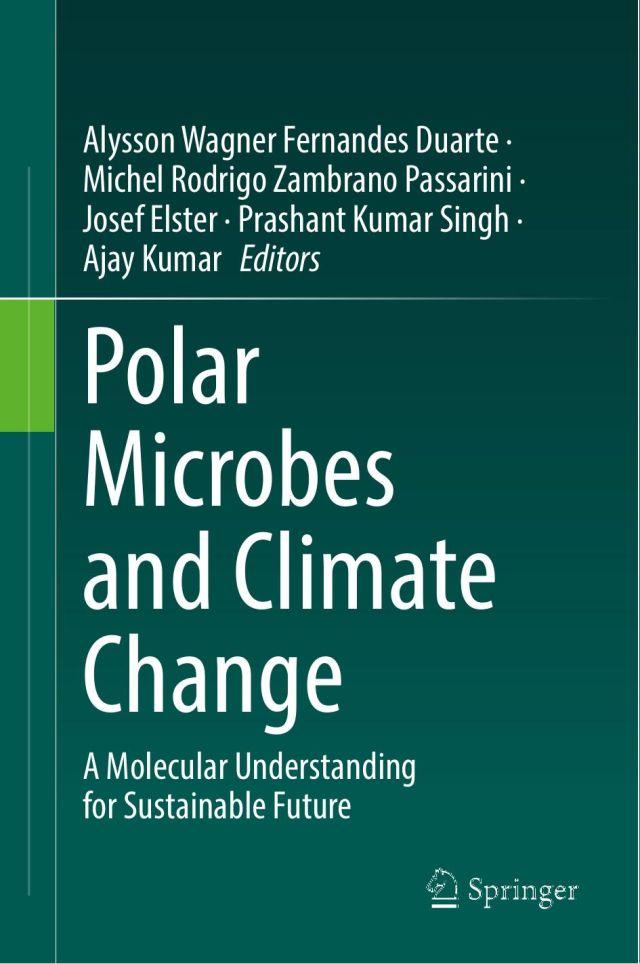
Polar Microbes and Climate Change by Alysson Wagner, 2025

A Molecular Understanding for Sustainable Future

Recent studies on have focused on , microbes that thrive in high temperatures, while , which prefer cold environments, have received less attention. However, interest in cold-adapted microbes, especially those in polar regions, has increased significantly in recent decades.


Given that much of Earth’s biosphere remains below 5°C, psychrophiles likely outnumber thermophiles. Oceans, covering over 75% of the planet, maintain deep water temperatures between 2–4°C. Antarctica offers both terrestrial and aquatic cold habitats, including ice that melts seasonally. Other cold ecosystems include permafrost, alpine soils, cold deserts, marine sediments, glaciers, and sea ice.

This book explores microbial diversity and adaptation in extreme polar environments, emphasizing their potential for biotechnological applications. It presents a comprehensive overview of molecular diversity and genetic adaptations in cold-loving microorganisms. The chapters detail representative microbial groups, their habitats, and survival strategies in frigid conditions. It is designed for scientists interested in how life persists in extreme cold.

To survive in such harsh climates, polar microbes have evolved specific regulatory mechanisms to respond to environmental stressors. Over the past decade, research has uncovered microbial responses to anthropogenic challenges like UV-B radiation, nutrient scarcity, desiccation, heavy metals, and temperature extremes. These studies have provided the basis for understanding gene regulatory pathways involved in morphological, physiological, and metabolic adaptations.
0

If you have a fediverse account, you can quote this note from your own instance. Search https://mastodon.social/users/appassionato/statuses/115653641829350922 on your instance and quote it. (Note that quoting is not supported in Mastodon.)