In "she saw him", it's clear there are two third persons because they're of different genders. In "she saw her", it's clear because otherwise we'd say "she saw herself".
In "she saw her dog" it's not clear. This has always bugged me.
But if we spoke an Algonquian language, we could easily make it clear!
These languages have a "proximate" third person, meaning the closest or most important one, and an "obviative" third person, meaning the farther or less important one. Sometimes the obviative is called the "fourth person".
In other languages, like Russian, we can make it clear a different way: they have, not only reflexive pronouns like "myself, his self, herself, itself", but also a reflexive possessive: sort of like "she saw herself's dog".
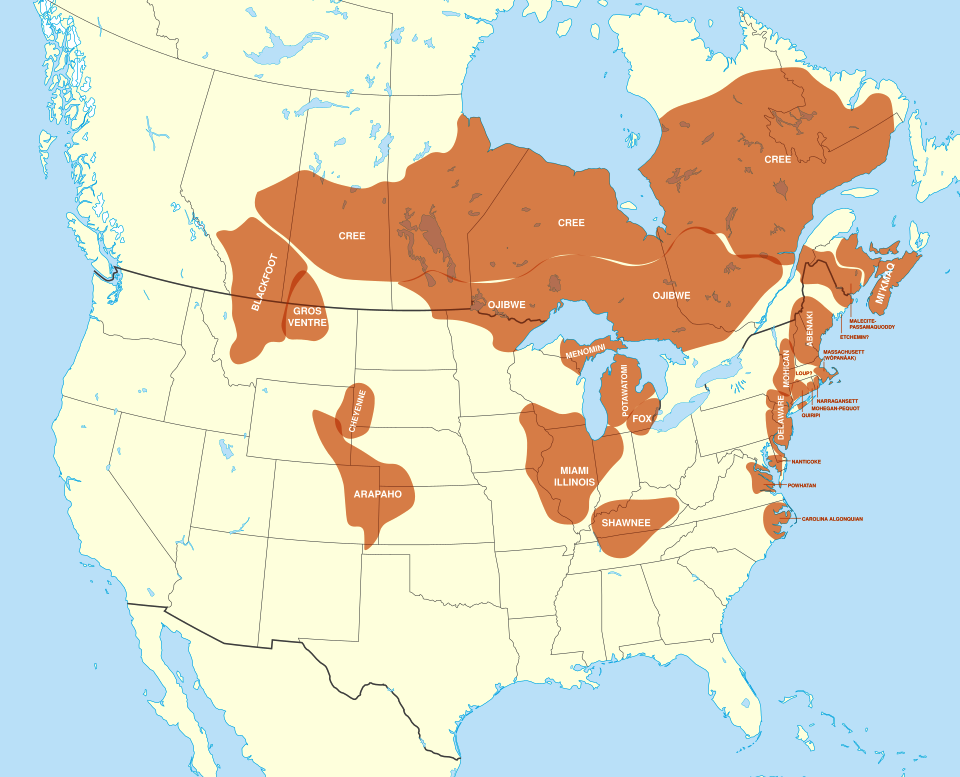
Algonquian languages are a family of native American languages including:
Arapahoan
Blackfoot
Cheyenne
Cree–Montagnais–Naskapi
Eastern Algonquian
Menominee
Meskwaki-Sauk-Kickapoo
Miami–Illinois
Ojibwe–Potawatomi
Shawnee
I got pulled into this from trying to understand a bit about Hopi and Navaho before I go back to the Navaho Nation. Which are *not* Algonquian languages. Hopi is an Uto-Aztecan language, and Navaho is Athabascan. But then I realized I'm incredibly ignorant of American language groups.
https://en.wikipedia.org/wiki/Obviative
https://en.wikipedia.org/wiki/Algonquian_languages