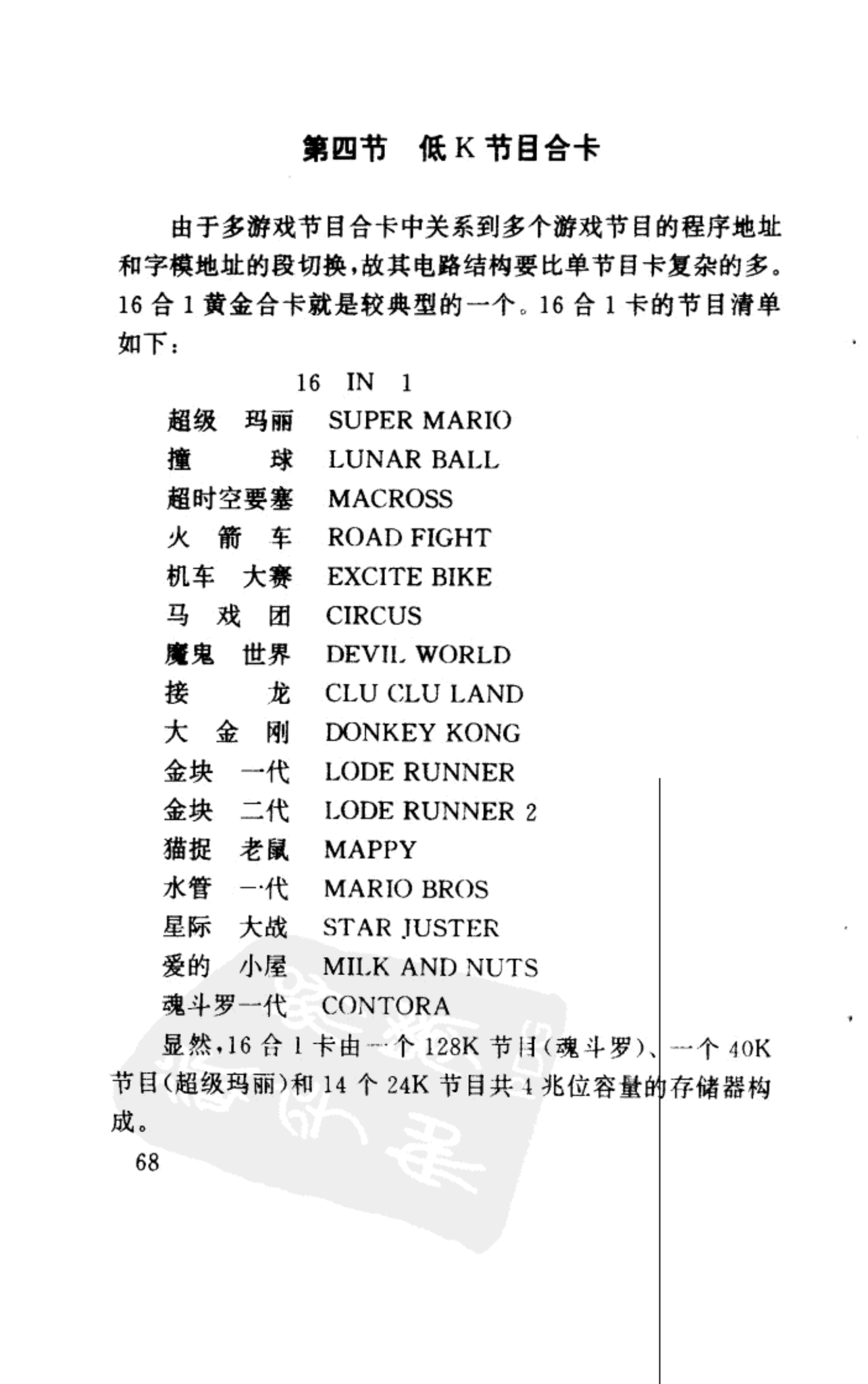
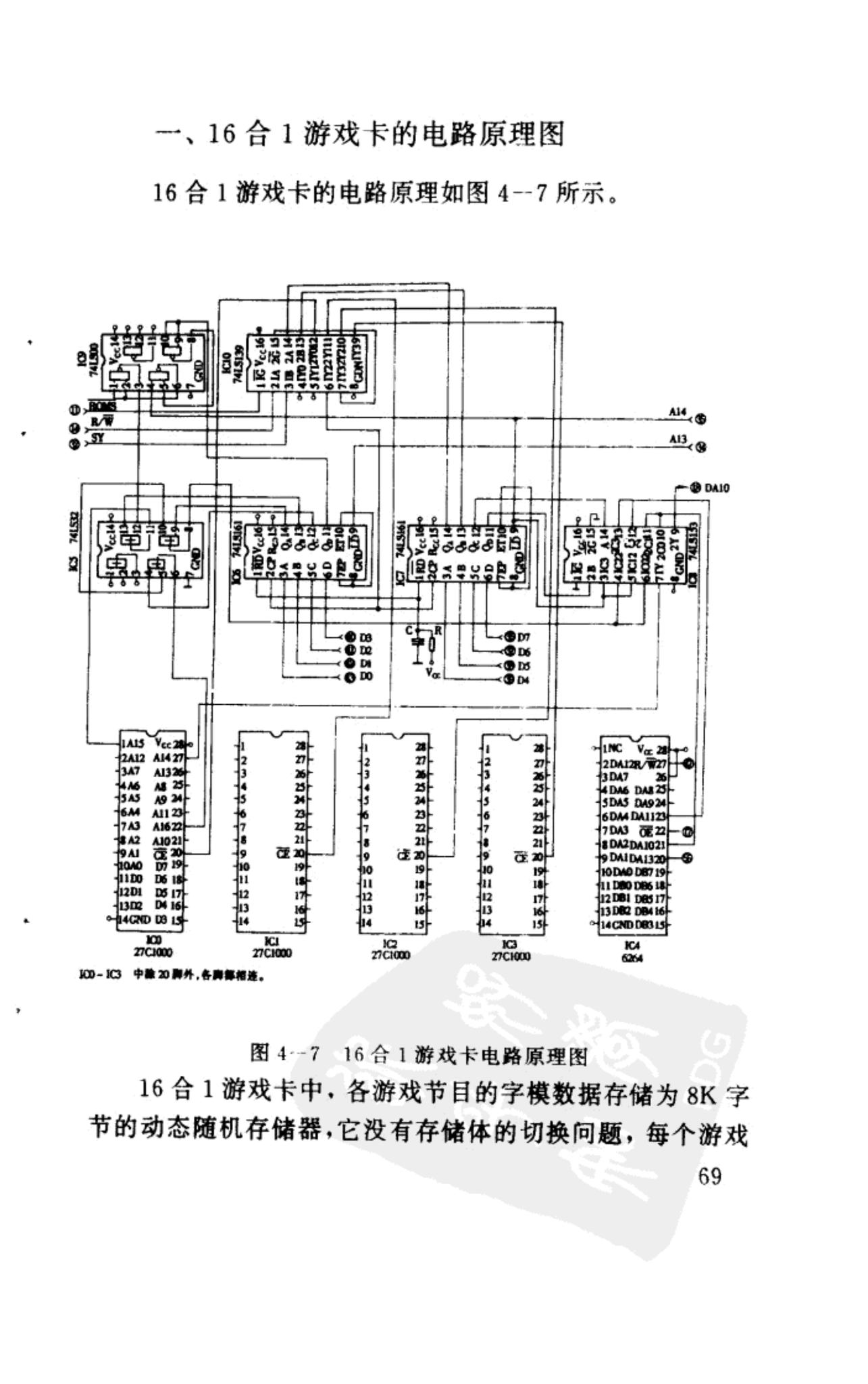
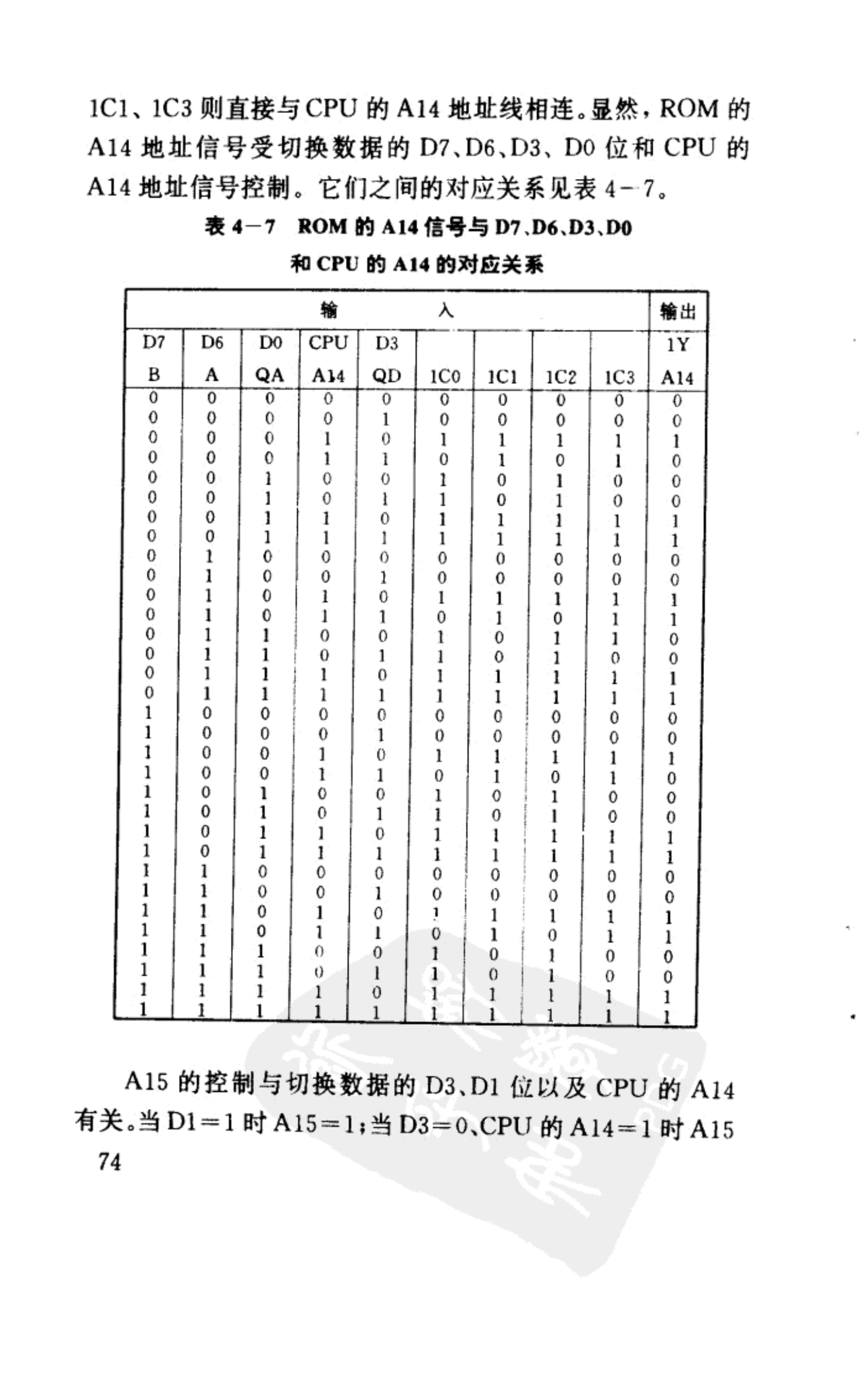
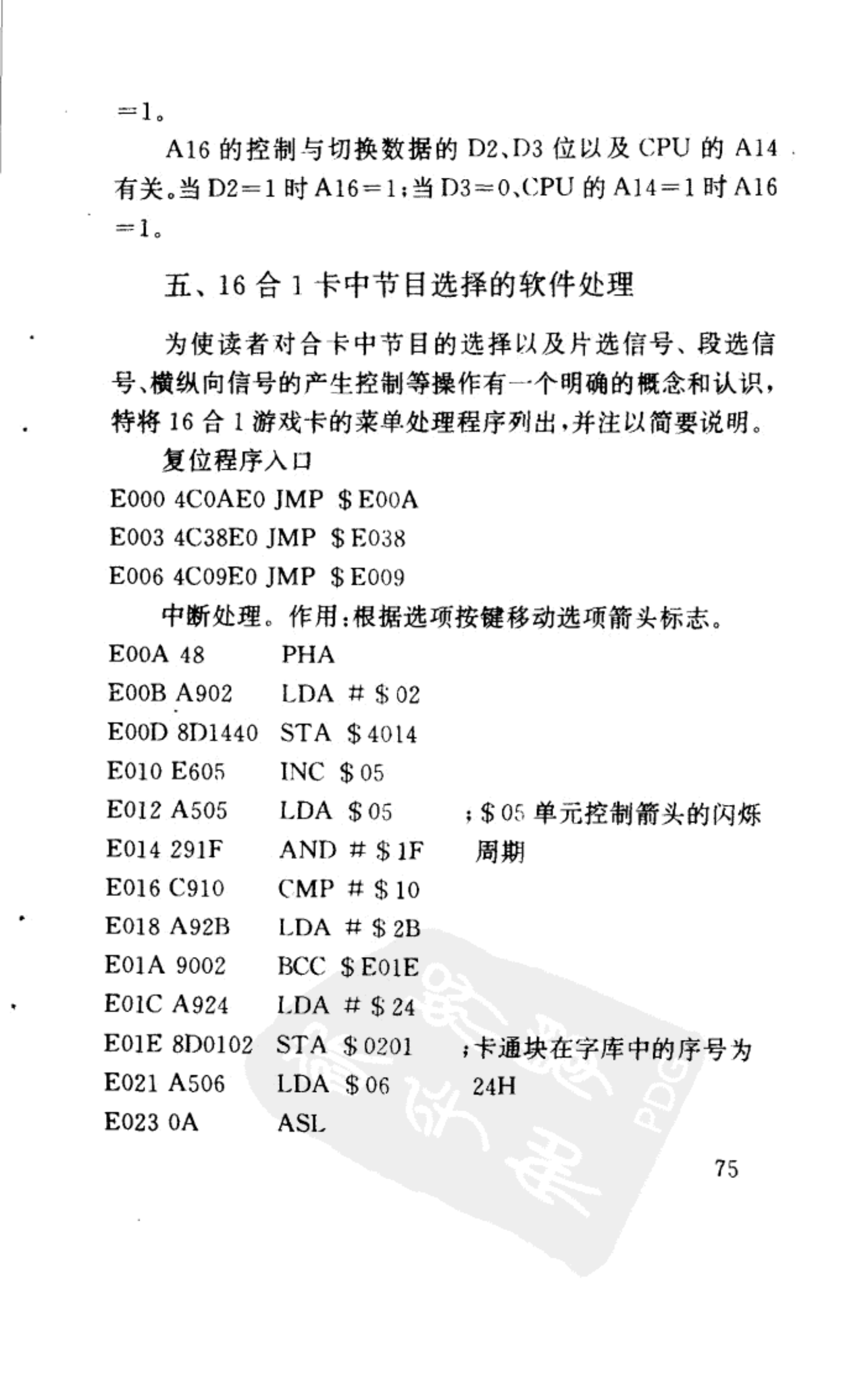
How do pirated Nintendo N-in-1 game cartridges work? In the 1990s China, it was not a NESdev page for people with too much time, it was Serious Business! With its own textbook reviewed by EE professors at a top university. Because as we all know, they were for <del>game consoles</del> educational home computers, so the engineering knowledge is of uttermost importance! #retrocomputing #retrogaming #NES #小霸王学习机
![== Lawsuit ==
<!-- lawsuit filings should be researched in more detail, very difficult to access such information online outside of china !-->
Following Subor's large popularity in China, the company reportedly began filing lawsuits (or threats of lawsuits) against other [[Famiclone]] manufacturers; claiming that such consoles "infringed" upon Subor's rights. This is a very ironic claim, considering the hardware and much of the software was pirated from Nintendo; in addition to some programs originating from the very companies that Subor was suing. Subor's litigation reportedly caused the majority of Famiclone manufacturers in mainland China - for both software and hardware - solely distributing their products in Hong Kong.<ref name="tgfc">https://club.tgfcer.com/thread-6022056-1-1.html</ref>
In response to Subor's clearly-distorted litigation, one development company - the relatively obscure "Fei Suo Computer Studio" - decided to put a "copyright trap" within their F-BASIC computer program. When entering the command "CALL 48386" (which appears to be in reference to a Subor TV commercial), the program will load a duplicate of the F-BASIC title screen. The intent of this was presumably to "trick" Subor's cartridge into displaying the Fei Suo copyright notice, in the instance that Subor would steal and rebrand the program.<ref name="tgfc" /><ref name="tcrf">https://tcrf.net/Subor_V3.0</ref>
Ultimately, F-BASIC would be included in version 3.0 of Subor; and as Fei Suo had planned, the "CALL 48386" trap was intact. Fei Suo would file a lawsuit against Subor over the F-BASIC program; however, the claim was ultimately rejected due to no profit loss towards Fei Suo being evident.<ref name="tgfc" /><ref name="tcrf" /> While Fai Suo was unsuccessful, this appears to have frightened Subor enough to remove the trap from later software revisions, in addition to removing references to Mario and other copyrighted characters. Most versions of Subor from version 4.0 onward use wholly original software, likely as a result of the lawsuit.](https://misskey-taube.s3.eu-central-1.wasabisys.com/files/29bccff5-fc05-4beb-8fb6-139ca8ec40ec.png)
![[[File:Feisuo-subor-lawsuit-memory-map.png|alt=Overview of the memory map involved in the lawsuit.|thumb|519x519px|Overview of the memory map involved in the lawsuit. In Fei Suo's FS series home computers, ROM address <code>0x0000-0xAFFF</code> (44 KiB) were unrelated programs, <code>0xB000-0xBFFF</code> (4 KiB) was Fei Suo's loader, <code>C000-FFFF</code> (16 KiB) was the main F-BASIC program with Fei Suo's 32-byte modification. In Subor's SB series home computers, <code>0x0000-0x7FFF</code> (32 KiB) were unrelated programs, <code>0x8000-0x89FF</code> (2.5 KiB) was Subor's loader, <code>0x8A00-0xAFFF</code> was unrelated programs, <code>0xB000-0xBFFF</code> (4 KiB) was Fei Suo's loader, <code>C000-FFFF</code> (16 KiB) was Fei Suo's F-BASIC program, with an additional 10-byte modification by Subor.]]
=== F-BASIC copyright ===
Ironically, the court found the plaintiff Fei Suo was not the copyright owner of the main F-BASIC program, and had no legal right to prevent someone else from distributing a program that they did not write. Instead, F-BASIC by an unnamed third-party company was submitted as evidence to the court, which was never identified in court documents, with only the phrase "a certain company".<ref name="xiuchi1996"/><ref name="shoubu1999"/> Some sources used "a certain Taiwanese company"<ref name="tonglihua1999"/>, and the TCRF article claimed Fujitsu was the ultimate source.<ref name="tcrf" /> Although 32 bytes were changed in comparison to the original version, the court ruled that it was done for machine compatibility, which did not create a new derivative work copyrightable by Fei Suo.
=== Loader Copyright ===
Therefore, the entire legal basis of Fei Suo's copyright claim stood on the 4 KiB loader program, with uncertain copyrightability. Subor argued: (1) The loader didn't have any features, its sole purpose was displaying a copyright notice in software written by a 3rd-party, a copyright infringement in itself. (2) The loader was not independent from F-BASIC. Subor sought to undermine its status as a copyrightable work. However, the court ruled otherwise: the title screen contained a starfield animation, a chiptune arrangement of "Edelweiss", and code that waits for keyboard inputs. These features were sufficient to establish the work's copyrightability, in spite of its simplicity.
The court ruled that Subor indeed infringed Fei Suo's copyright of this 4 KiB loader, and ordered Subor to stop making or distributing products that contained the loader. However, since the loader was not executed during F-BASIC's normal usage, and Fei Suo was the only party who was aware of the loader's existence, no actual reputational or financial loss took place. Thus, both the public apology and monetary compensation demands were rejected.](https://misskey-taube.s3.eu-central-1.wasabisys.com/files/4cd180d3-bf12-48c7-9c82-b7b5c617c5ca.png)