What is Hackers' Pub?

Hackers' Pub is a place for software engineers to share their knowledge and experience with each other. It's also an ActivityPub-enabled social network, so you can follow your favorite hackers in the fediverse and get their latest posts in your feed.

0
0
0

Le fédivers, un réseau social libre et résistant

Entrevue que j'ai réalisé avec @evanEvan Prodromou,
le Montréalais à l’origine de la création du protocole ActivityPub, un élément technique central du fédivers. Publiée dans le no 103 de la @revueababordRevue à bâbord ! .

carnet.delbecque.org/2025/12/1

0
0
0
0
0

@cssCSS by T. Afif :verified: I wondered if someone had made an SVG-to-CSS-shape translator, and of course you already had. (I should have expected, honestly.) What I’m wondering is, do you have a translator that goes the other way, so someone could use the more-human-friendly CSS syntax to generate SVG path syntax?

Also, any thought of maybe enhancing the translator to let users drag-n-drop an SVG, pick a path in it, and get the CSS translation? Or even translations for all the paths at once?

0
0
0
0

Le fédivers, un réseau social libre et résistant

Yannick Delbecque @zigong@carnet.delbecque.org

ActivitypubEntrevue avec Evan Prodromou, développeur et défenseur du logiciel libre Propos recueillis par Yannick Delbecque pour la revue à bâbord ! Depuis l’achat de X/Twitter par le fasciste Elon Musk, plusieurs campagnes ont appelé à quitter ce réseau social pour s’établir ailleurs. Plusieurs personnes et organisations se sont installées dans le « fédivers », un réseau social décentralisé formé d’une constellation de serveurs indépendants et interconnectés. Evan Prodromou est le Montréalais à l’origine de la création du protocole ActivityPub, un élément technique central du fédivers. Il est codirecteur du Social Web Working Group du World Wide Web Consortium (W3C), une organisation qui développe et établit les standards techniques permettant au Web de fonctionner. À bâbord ! est allé à sa rencontre. […]

Read more →
0
0

The untold history of web development:

1990: HTML invented.
1994: CSS invented to fix HTML.
1995: JS invented to fix HTML/CSS.
2006: jQuery invented to fix JS.
2010: AngularJS invented to fix jQuery.
2013: React invented to fix AngularJS.
2014: Vue invented to fix React & Angular.
2016: Angular 2 invented to fix AngularJS & React.
2019: Svelte 3 invented to fix React, Angular, Vue.
2019: React hooks invented to fix React.
2020: Vue 3 invented to fix React hooks.
2020: Solid invented to fix React, Angular, Svelte, Vue.
2020: HTMX 1.0 invented to fix React, Angular, Svelte, Vue, Solid.
2021: React suspense invented to fix React, again.
2023: Svelte Runes invented to fix Svelte.
2024: jQuery still used on 75% of websites.

(By twitter.com/fireship_dev)

0
0
0
0
0
0
0
1
0
0
0
0
0
0
0
0
0
0
0
0
0
0
0
0
0
0
0
0
0
0
0
0
0

New Xcode 26 projects come configured with:

• Approachable Concurrency
• MainActor Isolation
• Swift Language Version 5

This makes it very easy to write warning-free code that crashes at runtime! We *strongly* recommend bumping to Swift 6 with complete concurrency checking.

A screen shot of Xcode’s default project settings.
0

Our new Age Verification Resource Hub is live at EFF.org/Age — and next week (12/15–12/17), we’re hosting an AMA on r/privacy to talk about it. Come ask us anything about what these sweeping laws really mean for your rights and safety.

Age Verification and Age Gating: Resource Hub

Age verification (or age-gating) laws generally require online services to check, estimate, or verify all users’ ages—often through invasive tools like ID checks, biometric scans, or other dubious “age estimation” methods—before granting them access to certain online content or services.  Governments in the U.S. and around the world are increasingly adopting these restrictive measures in the name of protecting children online. But in practice, these systems create dangerous new forms of surveillance, censorship, and exclusion.  Technologically, the age verification process can take many forms: collection and analysis of government ID, biometric scans, algorithmic or AI-based behavioral or user monitoring, digital ID, the list goes on. But no matter the method, every system demands users hand over sensitive and immutable personal information that links their offline identity to their online activity. Once that valuable data is collected, it can easily be leaked, hacked, or misused. (Indeed, we’ve already seen several breaches of age verification providers.) EFF has long warned against age-gating the internet. Age verification technology itself is often inaccurate and privacy-invasive. These restrictive mandates strike at the foundation of the free and open internet. They are tools of censorship, used to block people from viewing or sharing information that the government deems “harmful” or “offensive.” And they create surveillance systems that critically undermine online privacy, chill access to vital online communities and resources, and burden the expressive rights of adults and young people alike. EFF.org/Age: A Resource to Empower Users Age-gating mandates are reshaping the internet in ways that are invasive, dangerous, and deeply unnecessary. But users are not powerless! We can challenge these laws, protect our digital rights, and build a safer digital world for all internet users, no matter their ages. This resource hub is here to help—so explore, share, and join us in the fight for a better internet.

www.eff.org · Electronic Frontier Foundation

0
0
0
0
0
0
0
0
0
0
0
0
0
0
0
0
0

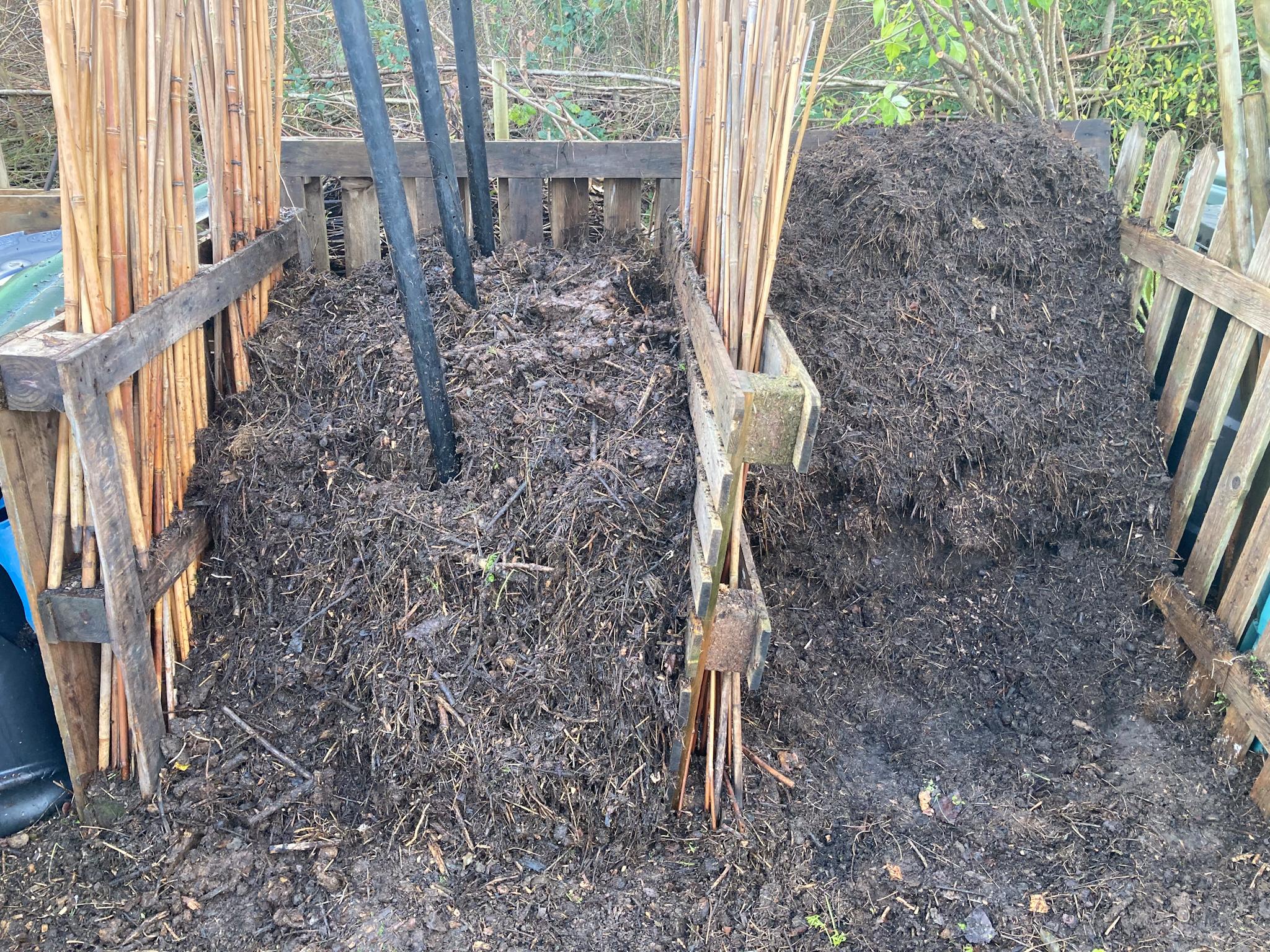
This is my composting set up over winter. We are fortunate our winters are mild. The piles are unlikely to freeze.

The two palleted compost bays have been freshly turned.

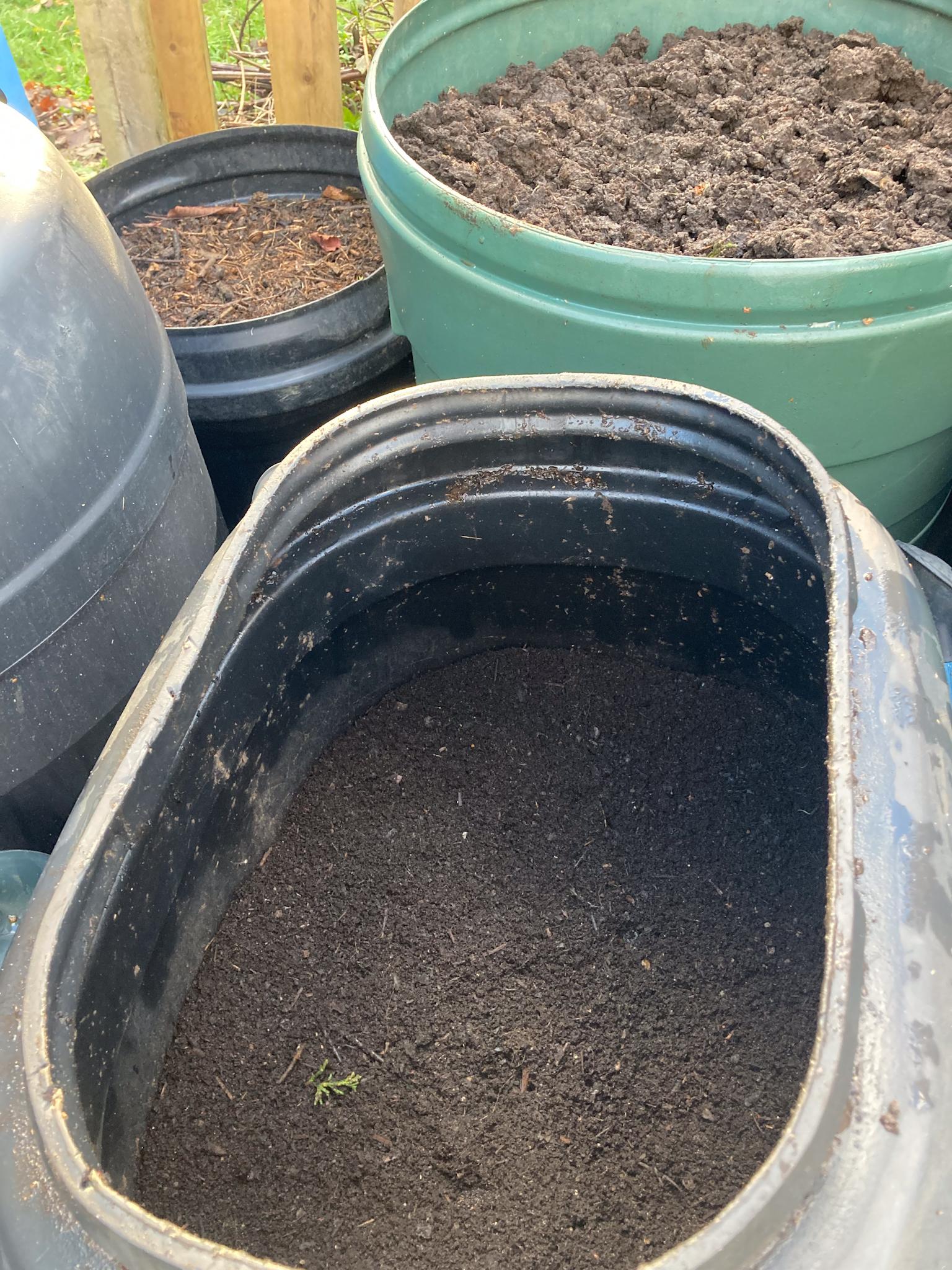
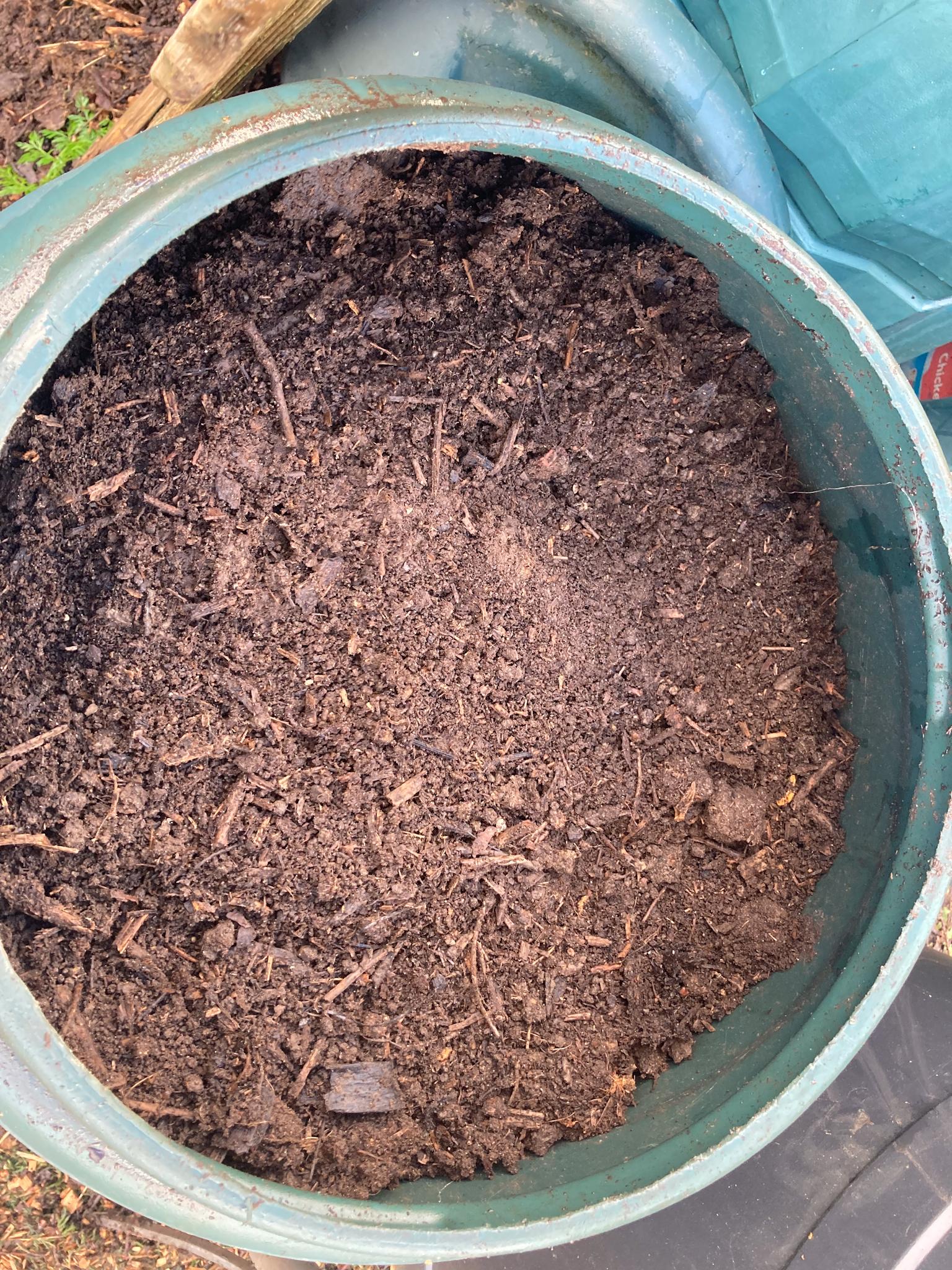
Four compost Daleks contain maturing compost.

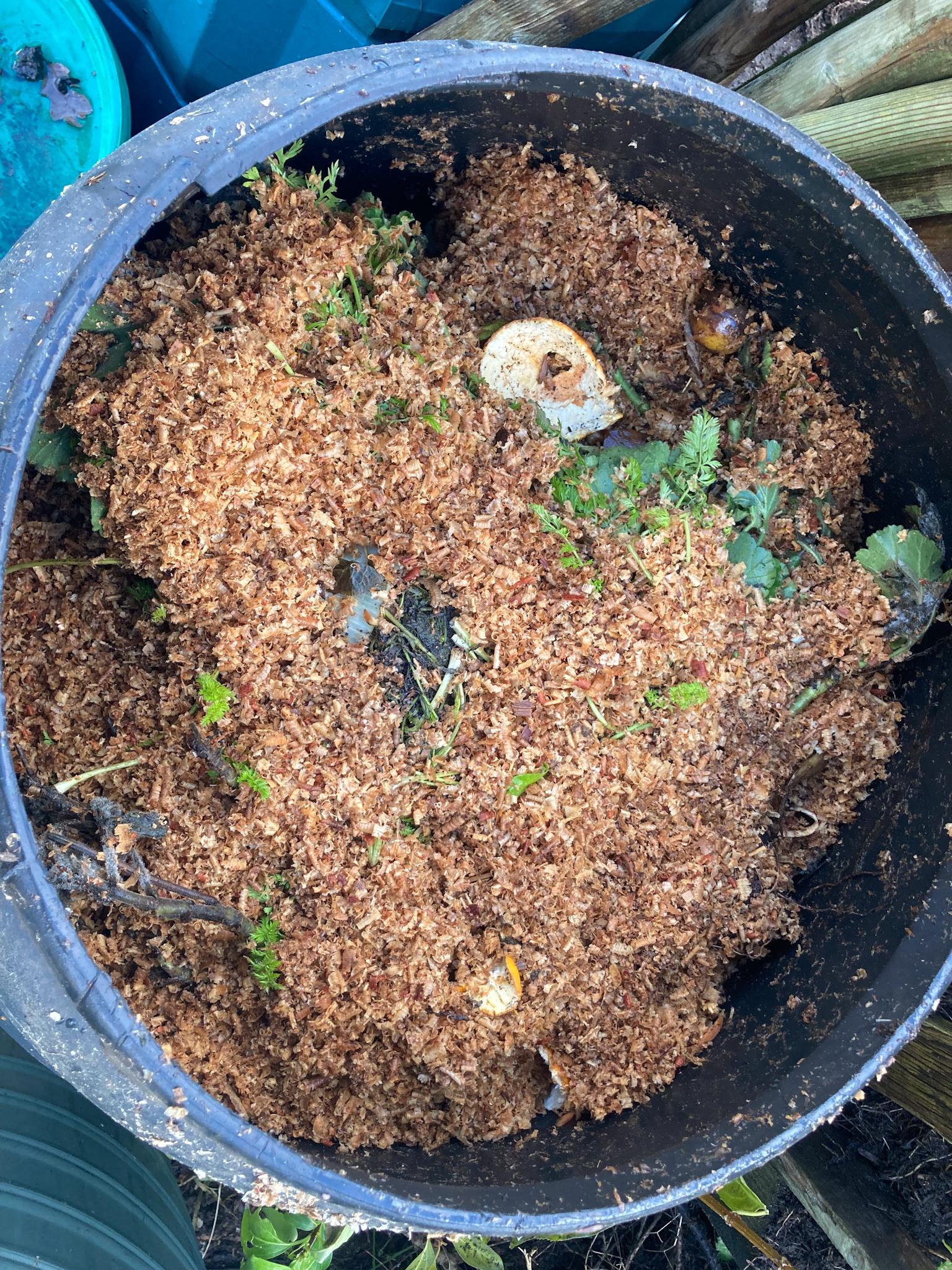
Another compost dalek recieves the weekly veg peelings and garden weeds with sawdust added over the top.

After taking the photos all the compost was covered or lids put back on to keep the rain off.

Two compost bays are made from five pallets. Two pallets provide the back wall and three pallets at right angles make the left side, right side and centre divide of the two bays. Two piles of compost are dark brown. The left hand pile has three black downpipes down the centre line to allow air flow into the centre of the pile. The right side pile is older compost and is noticeably more broken down. Three different sized plastic bins or compost daleks each contain maturing compost. The lids are off to show the compost inside. An elongated oval bin contains the best, finest compost which has been sieved with a trommel. These three containers of compost will mature over winter and will be the base of the potting mix next spring. Another compost dalek showing the compost inside. The brown compost has some woody material visible in amongst it. It hasn’t been put through the trommel to sieve it yet. It will continue to mature in this bin over winter. A compost dalek nearly full of the fresher garden and kitchen waste. Handfuls of sawdust are applied with each layer of kitchen scraps every week. When this bin is full it will be turned into a different bin to continue to break down. Ground eggshells, basalt, biochar and other amendments are occasionally added to this bin in small quantities.
0
0
0
4
1
0
0
0
0