What is Hackers' Pub?

Hackers' Pub is a place for software engineers to share their knowledge and experience with each other. It's also an ActivityPub-enabled social network, so you can follow your favorite hackers in the fediverse and get their latest posts in your feed.


0
0
0
0
0
0

I had an idea for an intermediate Python tutorial to use Pygame to make a multiplayer 8-bit NES Zelda clone, with some new features but an emphasis on simplicity of implementation and modding. Thoughts?

(Emphasis on simplicity = saying no to most ideas. Value as a tutorial outweighs "cool game")

Screenshot of 8-bit Zelda game.
0
0
0
0
0
0
0
0
0
0

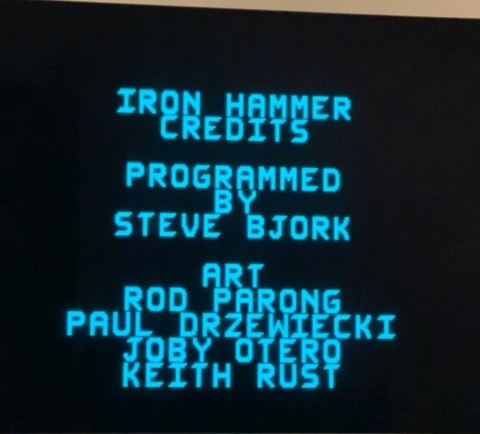
Watched Aura get to the credits of Iron Hammer from the Sega Channel files. Something funny about seeing this credited programmer who wasn't at the company anymore by the time it came out, since the game sat on the shelf for two years. Wonder if he even knew it was released in the end.

Screenshot of the credits for a game called Iron Hammer, listing a programmer named Steve Bjork.
0

ๅœจๅ€‹็‰ˆไธŠๅฏซ่ชชใ€Œๆฒ’้Œขๅฐฑไธ่ฆ็”Ÿๅฐๅญฉใ€ๆ˜ฏๅฟƒๆƒ…ๆŠ’็™ผ็š„่‡ช็”ฑ๏ผŒไฝ†่ท‘ๅŽปๅฐๆญฃๅœจ็”Ÿ้คŠๅฐๅญฉ็š„็ˆธๅชฝ่ฌ›ๅฐฑๆฒ’ๅฟ…่ฆไบ†๏ผŒ็†ฑๅฟƒๆ้†’่ฆๆ‹ฟๆๅฅฝๆ‰ไธๆœƒๅ‚ทไบบใ€‚

ๆป‘ๅคงๅฎถๅœจ่จŽ่ซ–้€™ๅ€‹่ฉฑ้กŒ๏ผŒ็œ‹ๅˆฐไธๅฐ‘ๅๅฐใ€Œๆฒ’้Œขๅฐฑไธ่ฆ็”Ÿๅฐๅญฉใ€็š„ไบบ๏ผŒๅฐๆ–ผใ€Œ็”Ÿๅฐๅญฉใ€็š„ๆœ‰้—œ่Šฑ่ฒป่ผƒ้™Œ็”Ÿใ€‚

็ขบๅฏฆ่ŠฑๅฟƒๅŠ›้™ชไผดๅฐๅญฉ้žๅธธ้‡่ฆ๏ผŒ้‚ฃ็ˆถๆฏๅ‘ข๏ผŸ
้‚„ๆฒ’็•ถ็ˆถๆฏ็š„๏ผŒๆœฌไพ†ๅฐฑๅฏไปฅๆ‹’็ต•ๆฒ’่‹ฆ็กฌๅƒใ€‚

่จŽ่ซ–่ทŸ้Œขๆœ‰้—œ็š„่ฉฑ้กŒ่ฆๆœ‰ๅŸบ็คŽ่ช็Ÿฅ๏ผŒ่€Œไธๆ˜ฏ็”จใ€ŒไธŠไธ€ไปฃ้ƒฝไธ็”จ่Šฑ้€™้บผๅคšใ€็š„ๆ…‹ๅบฆๅŽป้€ƒ้ฟๆœƒๅ‡บ็พ็š„ๅธณๅ–ฎใ€‚

่จฑๅคšไบบ็”ŸๅฎŒๅฐๅญฉไธๅฟซๆจ‚๏ผŒ้™คไบ†ๅทฒ็Ÿฅ็š„ๅฅณๆ€งๅœจๅ„ๆ–น้ข้œ€ๆœ‰ๆ‰€็Šง็‰ฒ๏ผŒ้‚„ๆœ‰็”Ÿไน‹ๅ‰ๆฒ’ๆœ‰ๅฅฝๅฅฝๅ…ตๆŽจ้Œขๆ€Ž้บผ่พฆใ€‚

ๅญ•ๆœŸไฟๅฅ้ฃŸๅ“ใ€ๆชขๆŸฅ่ฒป็”จใ€็”Ÿ็”ข่ฒป็”จๅ› ไบบ่€Œ็•ฐ๏ผŒๅฏไปฅ็ถฒ่ทฏ็ˆฌๆ–‡ๅƒ่€ƒใ€‚

ๆˆ‘ๅชๅฏซ่‡ชๅทฑ็Ÿฅ้“็š„่ณ‡่จŠ๏ผš

ๆœˆๅญไธญๅฟƒไธ€ๅ€‹ๆœˆ
่‡ณๅฐ‘่ฆๆบ–ๅ‚™20ๅนพ่ฌ
้€™ๅœจๅฐๅŒ—ๆ˜ฏๆœ€ๅŸบๆœฌ็š„ๅฐๆˆฟๅž‹
ๅ…ถไป–็ธฃๅธ‚ๅœจ็ฉบ้–“ไธŠๆœƒๅฅฝๅพˆๅคš

ๆœˆๅซ‚
ไธ€ๅคฉ$4000
ไธ€ๅ€‹ๆœˆ$12่ฌ

ๆœˆๅญ้ค
ไธ€ๅคฉ$1880๏ผˆ็ฒพ็ทป็ต„๏ผ‰
ไธ€ๅ€‹ๆœˆ$56400

0

๋ฐ€ํ‚ค์›จ์ด ์•„ํ‹€๋ฆฌ์— AI ๊ทœ์ œ ๊ฐ•ํ™” ๊ณต์ง€(ํ˜ธ์˜ค๋‚˜ ํ”ผ๋กœ๋ฅผ ์œ ๋ฐœํ•  ์ˆ˜ ์žˆ์œผ๋ฏ€๋กœ CW๋ฅผ ์‚ฌ์šฉํ•ฉ๋‹ˆ๋‹ค)

์•ˆ๋…•ํ•˜์„ธ์š”, ๋ฐ€ํ‚ค์›จ์ด ์•„ํ‹€๋ฆฌ์—์˜ ์„œ๋ฒ„์žฅ ์€ํ•˜์ˆ˜์ž…๋‹ˆ๋‹ค.

๋‹ค๋ฆ„์ด ์•„๋‹ˆ์˜ค๋ผ, AI ์ƒ์„ฑ์— ๊ด€๋ จ๋œ ์‚ฌํ•ญ์œผ๋กœ์„œ ๊ณต์ง€๋“œ๋ฆฌ๊ณ ์ž ํ•ฉ๋‹ˆ๋‹ค.

๊ธˆ์ผ, ์„œ๋ฒ„์žฅ ๊ฐœ์ธ์ ์œผ๋กœ AI ์‚ฌ์šฉ์— ๋Œ€ํ•ด ๊ณ ๋ คํ•˜๊ฒŒ ๋˜๋Š” ์‚ฌ๊ฑด์ด ์žˆ์—ˆ์Šต๋‹ˆ๋‹ค. ๊ทธ ์ค‘ ํ•˜๋‚˜๋Š” GPT, Gemini ๋“ฑ์œผ๋กœ ์•Œ๋ ค์ง„ ์ฑ„ํŒ…ํ˜• AI๊ฐ€ ์„œ๋ฒ„ ๊ทœ์น™์œผ๋กœ์„œ ๊ธˆ์ง€ํ•˜์˜€๋˜
์ƒ์„ฑํ˜• AI์— ๋ถ„๋ฅ˜๋œ๋‹ค๋Š” ๊ฒƒ์„ ์•Œ๊ฒŒ ๋œ ๊ฒƒ์œผ๋กœ, ๊ฐ์ž์˜ ๊ด€์ ์ด ์žˆ๊ฒ ์œผ๋‚˜ ์ฐฝ์ž‘์ž์˜ ๊ถŒ๋ฆฌ๊ฐ€ ๊ฐ€์žฅ ๋ณด์žฅ๋ฐ›์•„์•ผ ํ•˜๋Š” ๋ฐ€ํ‚ค์›จ์ด ์•„ํ‹€๋ฆฌ์—์˜ ํŠน์„ฑ์ƒ ์ด์— ๋Œ€ํ•ด ๊ทœ์ œ๋ฅผ ๊ฐ•ํ™”ํ•˜๊ธฐ๋กœ ํ•˜์˜€์Šต๋‹ˆ๋‹ค.

๊ธฐ์กด -> ์Œ์•…, ๊ทธ๋ฆผ ๋“ฑ AI ์ƒ์„ฑ๋ฌผ์„ ๊ณต๊ฐœ ํƒ€์ž„๋ผ์ธ์œผ๋กœ ์˜ฌ๋ฆด ์‹œ ์ฆ‰์‹œ ๊ทœ์ œ, ์ตœ๋Œ€ ๊ณ„์ • ์‚ญ์ œ.
๊ฐ•ํ™” -> ๊ธฐ์กด ๊ทœ์ œ ์œ ์ง€, ์ฑ„ํŒ…ํ˜• AI ์‚ฌ์šฉ ๋‚ด์—ญ์„ ๊ทœ์ œ ๋‚ด์—ญ์— ์ถ”๊ฐ€. ๋ถˆ๊ฐ€ํ”ผํ•˜๊ฒŒ ์—…๋กœ๋“œ๋ฅผ ํ•ด์•ผํ•  ์‹œ, ๋ฐ˜๋“œ์‹œ ํ™ˆ ํƒ€์ž„๋ผ์ธ์œผ๋กœ ๋…ธํŠธ๋ฅผ ์˜ฌ๋ ค์•ผ ํ•  ๊ฒƒ. AI, ์—์ด์•„์ด ๋“ฑ ํ‘œ๊ธฐ ํ•„์ˆ˜. CW ๊ถŒ์žฅ. ๋ณ„๊ฐœ๋กœ ํ•ด๋‹น ํ‚ค์›Œ๋“œ๋“ค์„ ๋ฏผ๊ฐ ๋‹จ์–ด๋กœ ๋“ฑ๋กํ•˜์—ฌ ๊ฐ•์ œ ํ™ˆ ํƒ€์ž„๋ผ์ธ ์ฒ˜๋ฆฌ, 1์ฐจ์  ํ•„ํ„ฐ๋ง.

์ตœ๊ทผ๋“ค์–ด ์ฑ„ํŒ… AI ๋“ฑ์„ ์‚ฌ์šฉํ•˜์—ฌ ์ฐฝ์ž‘ ๋ฌธํ™”๋ฅผ ํ–ฅ์œ ํ•˜๋Š” ์ผ์ด ๋งŽ์•„์กŒ์Šต๋‹ˆ๋‹ค. ๊ทธ๋Ÿฌ๋ฏ€๋กœ, ์„œ๋ฒ„์žฅ์ด ๊ทธ๋Ÿฌํ–ˆ๋˜ ๊ฒƒ์ฒ˜๋Ÿผ AI์— ๊ด€ํ•˜์—ฌ ์ž๊ฐํ•˜์ง€ ๋ชป ํ•˜๋Š” ๊ณต๋ฐฉ์› ์œ ์ €๋ถ„๋“ค๋„ ๊ณ„์‹œ๋ฆฌ๋ผ ์ƒ๊ฐํ•ฉ๋‹ˆ๋‹ค. ์ด์— ๊ด€ํ•ด ๋ฌด์ง€ํ–ˆ๋˜ ์ ์ด ๋ถ€๋„๋Ÿฝ์Šต๋‹ˆ๋‹ค.

์•ž์„œ ๋ง์”€๋“œ๋ฆฐ ๊ฒƒ์ฒ˜๋Ÿผ ๊ธฐ์ˆ ์— ๋Œ€ํ•œ ์‚ฌ์šฉ์˜ ์ฐฌ๋ฐ˜์€ ๊ฐˆ๋ฆฌ๋ฆฌ๋ผ ์ƒ๊ฐ์ด ๋“ญ๋‹ˆ๋‹ค๋งŒ, ์ƒ์„ฑํ˜• AI๋ฅผ ํ•œ ๋ถ€๋ถ„์—๋งŒ ํ—ˆ์šฉํ•˜๋Š” ๊ฒƒ์ด ๋œ๋‹ค๋ฉด ๋‹ค๋ฅธ ๊ทœ์ œ ์—ญ์‹œ ๋А์Šจํ•ด์งˆ ๊ฑฐ๋ž€ ํŒ๋‹จ ์—ญ์‹œ ๋“ค์–ด, ์ด๋Ÿฐ ๊ณต์ง€๋ฅผ ์˜ฌ๋ฆฌ๊ฒŒ ๋˜์—ˆ์Šต๋‹ˆ๋‹ค. ๊ธด ๊ธ€ ์ฝ์–ด์ฃผ์…”์„œ ๊ฐ์‚ฌํ•ฉ๋‹ˆ๋‹ค.

0
0
0
0
0

้ญ”็Ž‹ๆง˜ใจ็ตๅฉšใ—ใŸใ„ ๋ดค๋‹ค. 3๊ถŒ ์™„๊ฒฐ. ์ฒ˜์Œ๋ถ€ํ„ฐ ๋๊นŒ์ง€ ๋‹ฌ๋‹ฌํ•œ ๋Ÿฌ๋ธŒ์ฝ”๋ฉ”... ๊ท€์—ฌ์šด ๋‚ด์šฉ์ด ์ž‘๊ฐ€ ๊ทธ๋ฆผ์ฒด๋ž‘ ์ž˜ ์–ด์šธ๋ ธ๋‹ค.

0
1
0
0

๋Œ€์ถฉ ์‹œ๊ธ‰์œผ๋กœ ํ™˜์‚ฐํ•ด์„œ ๊ณ„์‚ฐํ•ด๋ดค์„๋•Œ ์•„ ๋นต๊ตฌ๊ฐ€ ์ˆซ์ž๋กœ ๋ณด์ด๋‹ˆ๊นŒ ์ข€ ๊ทธ๋ ‡๋„ค -.-

0
0
0
0

It always bugs me a bit when somebody is shipping a macOS application and they bifurcate (or worse) the download pipeline, particularly if they use weird bespoke terms that don't match Apple's branding. Manual download buttons for "x86" and "arm64" or "older Macs" and "M-series chips" are confusing and weird

0

ํ•™๊ต์— ํˆฌ์žํ•œ ์‹œ๊ฐ„์„ ์ผ์— ์ผ์œผ๋ฉด 10~20๊ฑด์€ ๋” ํ–ˆ์„ํ…๋ฐ ์•„์‰ฝ๋„ค ๊ทธ๋ž˜๋„ 2ํ•™๊ธฐ์—๋Š” ์‹œ๊ฐ„์„ ํš๊ธฐ์ ์œผ๋กœ ์ค„์ด๊ธด ํ–ˆ๋„ค ๊ทผ๋ฐ ์Œ ์ผ์ผ€ ๋‚ ๋ฆผ์œผ๋กœ ๋ณด๋Š”๊ฒŒ ์˜๋ฏธ๊ฐ€ ์žˆ๋‚˜ ์‹ถ๊ธฐ๋„

0
0
1
0
0
0
0

We set up a CRASH Clock website here: outerspaceinstitute.ca/crashcl

Note that this is a probabilistic calculation. A catastrophic collision could happen sooner than 2.8 days of no maneuvers. In our (extremely computationally expensive) collision simulation, just by random chance we actually got the first collision just 3 hours in.

We are currently well inside the Caution Zone. The probability of collisions happening if no avoidance maneuvers occur is >10% in any 24 hour period.

A plot showing how the 24 hour collision probability rises at lower values of the CRASH Clock.  At very short CRASH Clock values (less than about 1.5 days), the probability of a collision happening within 24 hours if no avoidance maneuvers are executed is larger than 50%.

This really highlights how incredibly dependent we are on Starlink's continued perfect collision avoidance maneuvers. So far they've done it, but they keep adding more satellites and making it harder.

Other megaconstellations are now launching as well, and they all need to communicate PERFECTLY in order to not crash. Will China talk to Starlink? Will the US gov't secret satellites talk to OneWeb? This is all incredibly important so that we don't destroy LEO.

0
0
0

The CRASH Clock uses the current density in altitude bins (averaged over eccentric orbits) of satellites, rocket bodies, and tracked debris, assuming typical cross sections for each type and orbital speeds. This calculation tells us how long to a collision if all orbital maneuvers were to suddenly stop.

The CRASH Clock is currently* at 2.8 days.

In 2018 it was 121 days.

*This is actually for June 2025 because that's when we ran it. Will update soon!

We set up a CRASH Clock website here: outerspaceinstitute.ca/crashcl

Note that this is a probabilistic calculation. A catastrophic collision could happen sooner than 2.8 days of no maneuvers. In our (extremely computationally expensive) collision simulation, just by random chance we actually got the first collision just 3 hours in.

We are currently well inside the Caution Zone. The probability of collisions happening if no avoidance maneuvers occur is >10% in any 24 hour period.

A plot showing how the 24 hour collision probability rises at lower values of the CRASH Clock.  At very short CRASH Clock values (less than about 1.5 days), the probability of a collision happening within 24 hours if no avoidance maneuvers are executed is larger than 50%.
0
0
0

This paper started with a plot showing the density of satellites in orbit vs. altitude that Aaron Boley (professor at UBC) made. I knew this was probably bad, but what does 10^(-7) objects per cubic km really even mean when everything is flying around at 7km per second? It doesn't sound very scary.

I re-made the plot in a hand-wavy way assuming circular orbits, and looking at it in terms of 1km close-approaches instead, and it was a lot scarier. So scary, it was time to write a paper!

A plot from Thiele et al. 2025 showing the density of satellites and debris in different altitude bins from 250 to 2000km.  The numbers are pretty small because it's objects per cubic km, and not very intuitive.  There are a couple of big spikes at Starlink's altitude that are obvious, but nothing else really stands out.

Two incredibly talented students led the project. We figured out a much less hand-wavy analytical way to calculate close approach rates using real data from public catalogues. And then we also ran n-body simulations to double check. They agree very well! And are really scary!!

In the densest part of LEO (Starlink), there are closer than 1km approaches every 15 minutes. 1km sounds like a lot, but remember everything in LEO is moving at 7km PER SECOND

A plot from Thiele et al. 2025 showing average time between encounters that are closer than 1km at different altitudes in Low Earth Orbit.  It's mostly in the 1 day range, except where Starlink's very dense orbital shell are, where it goes down below every 15 minutes.
0
0
0
0

What are Cloudflare User Groups? cloudflare.com/usergroups/

Theyโ€™re customer-led user groups where Cloudflare practitioners connect, share real-world insights, and learn from each other.

โœ” Learn best practices
โœ” Hear real customer stories
โœ” Meet other Cloudflare users
โœ” Grow your skills and network

Find a User Group near you. community.cloudflare.com/circl

Ready to make an impact? Apply to lead a Cloudflare User Group today! cloudflare.com/usergroups/lead

0

Wooo it's up! New paper alert! I will write a summary thread about this paper tomorrow morning when I'm not quite as mentally exhausted!

"An Orbital House of Cards: Frequent Megaconstellation Close Conjunctions" by Thiele, Heiland, Boley, & Lawler arxiv.org/abs/2512.09643

Not recommended for reading right before bed. It's real bad up there in Low Earth Orbit, folks.

0
0
0
0
0

์—ฐ์นœ๋‹˜๋“ค ๋„์™€์ฃผ์„ธ์š” ใ… ใ… ใ… 
๋‚ด์šฉ ๊ธธ์–ด์ ธ์„œ ์นดํŽ˜์— ์˜ฌ๋ฆฐ๊ธ€ ๊ฐ€์ ธ์˜ด

๋Œ€์ถฉ ๋‚ด์šฉ์ธ์ฆ‰์Šจ
์ œ๊ฐ€ํŒํ–ฅ์ˆ˜๋ฅผ ๋ฐ›์•„๋†“๊ณ  ๊ฐ€ํ’ˆ์•„๋‹ˆ๋ƒ๊ณ  ๊ฐ•์งœ๋ถ€๋ฆฌ๋ฉด์„œ ๋ฐ˜ํ’ˆ์•ˆํ•ด์ฃผ๋ฉด ๋ฒ•์ ์กฐ์น˜์ทจํ•˜๊ฒ ๋‹ค๊ณ  ์ง€๋ž„ํ•˜๋Š”์ง„์ƒ์ธ๋ฐ์š”
์ด๊ฑฐ ์‚ฌ๊ธฐ์ž„...?
https://m.cafe.naver.com/ca-fe/web/cafes/10001688/articles/1600787?fromList=true&tc=cafe_home_all_articles

0
0
0
0
0
0

We just did the first refresh of our logotype since 2013! We rarely use this brand asset, but it's one of the first things you see when you visit our home page. The refresh changes the base typeface from Raleway to Inter and increases character weight while retaining the charm of custom characters like the "m" and "n" with no ascenders, the "t" with a half cross stroke, and the whimsical ligerature between the "r" and "y". It's subtle but feels a lot more modern. Enjoy!

github.com/elementary/brand/co

The new elementary logotype in black on a white background and black on a white background
0
0
1

ใ‚„ใƒผใƒผใฃใจ่ƒƒ็—›ใŒใกใ‚‡ใฃใจๆฒปใพใฃใฆๆฅฝใซใงใใ‚‹ใ‚ˆใ†ใซใชใฃใŸใ‚โ€ฆ
ไปŠๅ›žใฏใ‚„ใฐใ‹ใฃใŸใชโ€ฆใ„ใ‚ˆใ„ใ‚ˆ่บซใฎๅฑ้™บใ‚’ๆ„Ÿใ˜ใฆใ„ใ‚‹ใžโ€ฆ

1
0
0
0