Iran’s Unrest: The Confrontation That Failed to Ignite
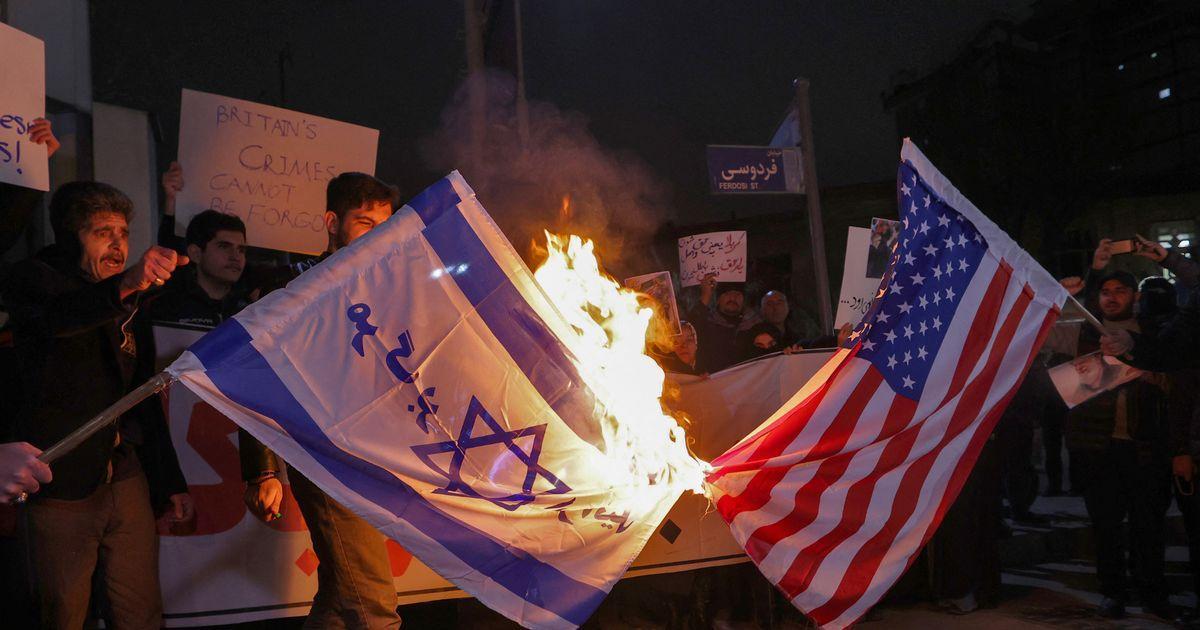
What began as economic protests in Tehran’s Grand Bazaar was quickly exploited and transformed into something far more dangerous. Within six days, international actors received communications from Iranian Kurdish separatist groups requesting logistical support. This included field hospitals and medical and emergency supplies.
Iranian President Masoud Pezeshkian attempted to contain the unrest through dialogue and economic changes. Yet, intelligence reports reflected an organized, multi-layered protest map unfolding. Bazaar protest leaders soon recognized that the street had slipped into chaos. They formally withdrew and informed authorities that they bore no responsibility for the events. Reformist opposition figures further highlighted that the country was being driven into a trap.
Israeli intelligence operating inside Iran and from Iraqi Kurdistan informed Washington that Tehran was regaining control rapidly and that the protest infrastructure was collapsing.
The state moved quickly against rebellious groups in cities and provinces. Armed groups operating inside urban centers were confronted directly. Calm during daylight hours under heavy deployment was followed by intensive night operations. Police units flooded major intersections and residential quarters, backed by undercover teams and rapid-response forces. Any act of arson, armed attack, or sabotage triggered immediate pursuit and arrest.
In parallel, authorities launched a comprehensive cyber operation to track the networks distributing footage across domestic and international platforms. They then imposed a near-total communications blackout. Internet access was restricted to a narrow group of authorized users. Anyone broadcasting from inside Iran without clearance was treated as part of a foreign information operation.
The turning point came in Kermanshah. Iranian security services detected suspicious activity along the country’s western borders. They uncovered an activated plan combining mass protests with armed assaults on state institutions. Police stations, civil administration offices, and emergency services were targeted. The objective was to create a high level of chaos and then seize control of the province’s civil and security administration centers.
Washington could not calculate Tehran’s response to any military attack. The risk was a regional fire.
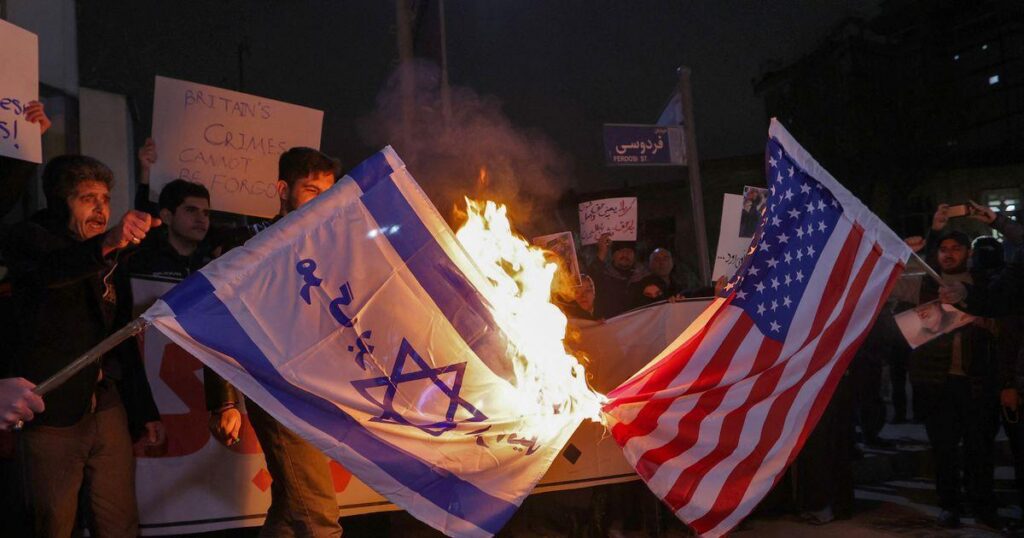
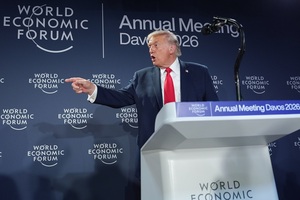
Authorities classified the operation as a foreign-backed military rebellion. US President Donald Trump publicly called on protesters to escalate and seize government centers. When he said that “help is on its way,” he was not speaking rhetorically. The plan on the table was a combined military operation — air and ground — focused on Kermanshah. Its purpose was to dismantle Iran’s command structure in the province, impose an aerial blockade, and allow insurgent forces to consolidate control.
Money were used to mobilize citizens. Teenagers received between $3 and $5 to burn pictures of Supreme Leader Ali Khamenei, while elderly men were paid similar amounts to overturn and set fire to garbage bins. Authorities noted the participation of female operatives in violent acts, including surprise shootings, before disappearing into alleyways. Other groups prepared and threw Molotov cocktails at vehicles and shops. Large quantities of weapons were later seized, including pistols and hunting rifles used in attacks on security forces.
As the containment campaign in Kermanshah intensified, authorities showed little tolerance toward other protest hotspots in different cities. They used special technologies to jam satellite transmissions, prompting insurgent leaders to appeal for foreign intervention. Israeli intelligence operating inside Iran and from Iraqi Kurdistan informed Washington that Tehran was regaining control rapidly and that the protest infrastructure was collapsing.
With no clear military pathway and no certainty over Tehran’s response, Washington was left with few viable options. The war was not abandoned; it was postponed.
This is where the war stalled. By that stage, the United States was not prepared for a full-scale confrontation. At best, limited strikes were considered to provide cover for insurgent advances. But Iran’s internal containment neutralized that option. More importantly, Washington could not calculate Tehran’s response to any military attack. The risk was a regional fire.
Saudi Arabia, Qatar, the UAE, and Turkey entered emergency consultations with the US administration, warning that the confrontation could spiral beyond control. All four countries refused to allow their territory, airspace, or bases to be used in any attack on Iran. Their message reflected a genuine political position, even if Trump was not formally bound by it. These countries knew they would be first in the line of fire. This forced the US administration to search for alternatives to any potential military campaign. With no clear military pathway and no certainty over Tehran’s response, Washington was left with few viable options. The war was not abandoned; it was postponed.
Ibrahim Al-Amine
Source: Al Akhbar
https://abolitionmedia.noblogs.org/?p=27364
#aggression #colonialism #imperialism #iran #westAsia





 레몬그린🍋
레몬그린🍋



 시오
시오

 nulta
nulta


 Paul Cantrell




 @
@





 Abhinav 🌏
 @
@

 Foone🏳️⚧️


 MJ+
MJ+