What is Hackers' Pub?

Hackers' Pub is a place for software engineers to share their knowledge and experience with each other. It's also an ActivityPub-enabled social network, so you can follow your favorite hackers in the fediverse and get their latest posts in your feed.

0
0
0
0

๊ทผ๋ฐ ๋„ˆ๋ฌด ์˜ค๋žœ๋งŒ์— ์ด๋ž˜๋ผ ์ €๋ž˜๋ผ ์ž”์†Œ๋ฆฌ ํญํƒ„ ๋งž์œผ๋‹ˆ๊นŒ ์–ด์งˆ์–ด์งˆํ•˜๋‹ค

0
0
0
0
I stopped because I liked the colors, but I especially liked the difference between the upkeep of the car vs. the neglect of the building. Somewhere back in my timeline is a photo of the same building from only a couple of years ago and it looked much nicer at the time.
Yellow car from the '60s or '70s? In front of a rusted metal building with a rounded top.
0

์†์ƒํ•œ๋ฐ ์†์ƒํ•˜์ง€ ์•Š์œผ๋ ค๊ณ  ๋…ธ๋ ฅ ์ค‘. ๋ˆ„๊ตฌ ์ž˜๋ชป๋„ ์•„๋‹ˆ๊ณ  ํ”ผํ•  ์ˆ˜๋„ ์—†๋Š” ์ผ์ด์—ˆ๋‹ค ์ƒ๊ฐ

0
0

I just got cursed out for asking someone to CW political posts.

Apparently, I'm what's wrong with the Fediverse.

Soโ€ฆ am I?

0
0
0
0
0
0
0
0

"Final Answer: Your GMI idea at the 200% level is improbable if funded solely by billionaire taxes. However, a GMI targeted at the 100% poverty line is completely financially viable if we actually enforced the tax code and enacted a wealth tax. We could end official poverty tomorrow; we just choose not to." ๐Ÿค”

0
0
0

@djangonews is a wonderful resource for the community. I'm always excited to read the latest edition. This week's included some love for django-antipatterns.com

The site includes extra context on JsonResponse(safe=) which clarifies why it's important. Thankfully, browsers have gotten better to the point where this feature (and antipattern) can be removed!

better-simple.com/django/2026/

0

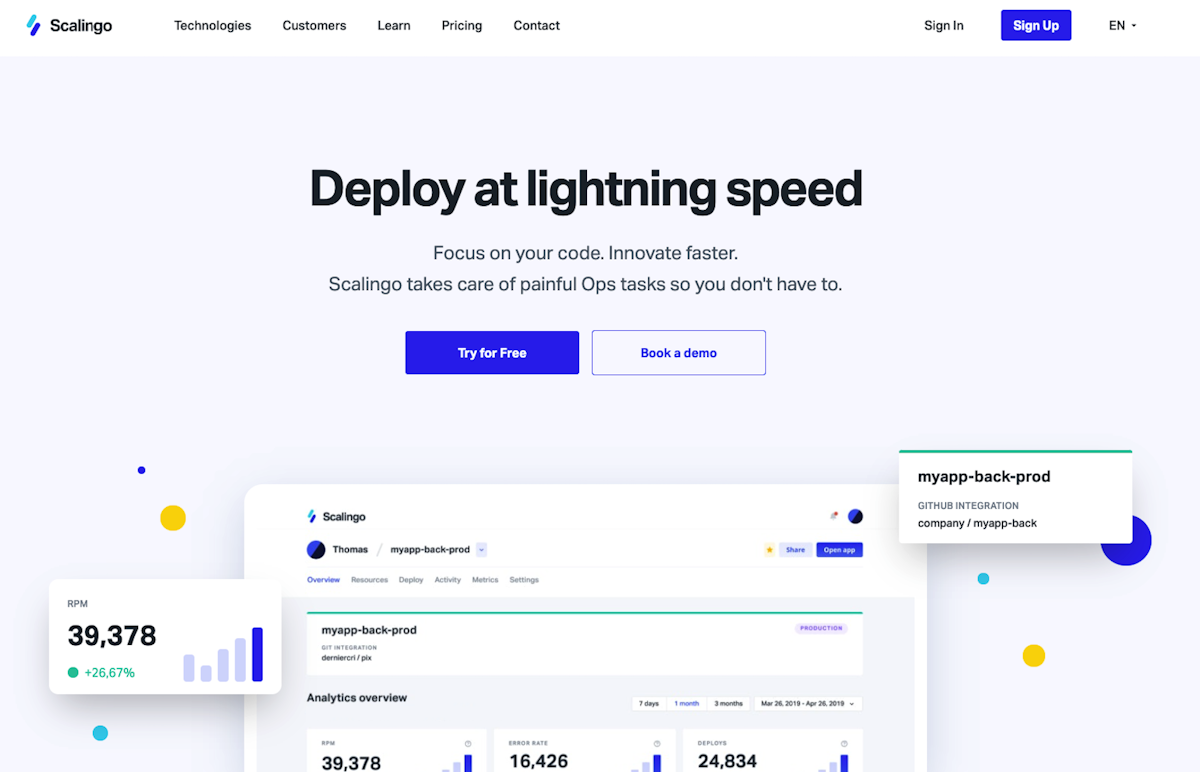
Does anyone in my Django world use Scalingo for hosting? I hadn't heard of it until today, but they've been around for over a decade!

It seems like every time Heroku comes closer to actually closing its doors, we learn about new hosting options.

scalingo.com

0

I have deeply mixed feelings about 's adoption of JSON-LD, as someone who's spent way too long dealing with it while building .

Part of me wishes it had never happened. A lot of developers jump into ActivityPub development without really understanding JSON-LD, and honestly, can you blame them? The result is a growing number of implementations producing technically invalid JSON-LD. It works, sort of, because everyone's just pattern-matching against what Mastodon does, but it's not correct. And even developers who do take the time to understand JSON-LD often end up hardcoding their documents anyway, because proper JSON-LD processor libraries simply don't exist for many languages. No safety net, no validation, just vibes and hoping you got the @context right. Naturally, mistakes creep in.

But then the other part of me thinks: well, we're stuck with JSON-LD now. There's no going back. So wouldn't it be nice if people actually used it properly? Process the documents, normalize them, do the compaction and expansion dance the way the spec intended. That's what Fedify does.

Here's the part that really gets to me, though. Because Fedify actually processes JSON-LD correctly, it's more likely to break when talking to implementations that produce malformed documents. From the end user's perspective, Fedify looks like the fragile one. โ€œWhy can't I follow this person?โ€ Well, because their server is emitting garbage JSON-LD that happens to work with implementations that just treat it as a regular JSON blob. Every time I get one of these bug reports, I feel a certain injustice. Like being the only person in the group project who actually read the assignment.

To be fair, there are real practical reasons why most people don't bother with proper JSON-LD processing. Implementing a full processor is genuinely a lot of work. It leans on the entire Linked Data stack, which is bigger than most people expect going in. And the performance cost isn't trivial either. Fedify uses some tricks to keep things fast, and I'll be honest, that code isn't my proudest work.

Anyway, none of this is going anywhere. Just me grumbling into the void. If you're building an ActivityPub implementation, maybe consider using a JSON-LD processor if one's available for your language. And if you're not going to, at least test your output against implementations that do.

2
12
1
0
0
0
0

I have deeply mixed feelings about 's adoption of JSON-LD, as someone who's spent way too long dealing with it while building .

Part of me wishes it had never happened. A lot of developers jump into ActivityPub development without really understanding JSON-LD, and honestly, can you blame them? The result is a growing number of implementations producing technically invalid JSON-LD. It works, sort of, because everyone's just pattern-matching against what Mastodon does, but it's not correct. And even developers who do take the time to understand JSON-LD often end up hardcoding their documents anyway, because proper JSON-LD processor libraries simply don't exist for many languages. No safety net, no validation, just vibes and hoping you got the @context right. Naturally, mistakes creep in.

But then the other part of me thinks: well, we're stuck with JSON-LD now. There's no going back. So wouldn't it be nice if people actually used it properly? Process the documents, normalize them, do the compaction and expansion dance the way the spec intended. That's what Fedify does.

Here's the part that really gets to me, though. Because Fedify actually processes JSON-LD correctly, it's more likely to break when talking to implementations that produce malformed documents. From the end user's perspective, Fedify looks like the fragile one. โ€œWhy can't I follow this person?โ€ Well, because their server is emitting garbage JSON-LD that happens to work with implementations that just treat it as a regular JSON blob. Every time I get one of these bug reports, I feel a certain injustice. Like being the only person in the group project who actually read the assignment.

To be fair, there are real practical reasons why most people don't bother with proper JSON-LD processing. Implementing a full processor is genuinely a lot of work. It leans on the entire Linked Data stack, which is bigger than most people expect going in. And the performance cost isn't trivial either. Fedify uses some tricks to keep things fast, and I'll be honest, that code isn't my proudest work.

Anyway, none of this is going anywhere. Just me grumbling into the void. If you're building an ActivityPub implementation, maybe consider using a JSON-LD processor if one's available for your language. And if you're not going to, at least test your output against implementations that do.

2
12
1
1

Does anyone in my Django world use Scalingo for hosting? I hadn't heard of it until today, but they've been around for over a decade!

It seems like every time Heroku comes closer to actually closing its doors, we learn about new hosting options.

scalingo.com

0
0
0
0
0
0
0
0
0
0
0
0
0
0
0

This one goes out to the folks.. I've set up my own instance, and I am looking for a way to set up vanity names for recurring livestream links - don't really want to go around and announce a mere alphanumeric string.

Is that a solved problem already, and if so - how?

Would setting up a symlink on the webserver be a workaround?

0
0

I have deeply mixed feelings about 's adoption of JSON-LD, as someone who's spent way too long dealing with it while building .

Part of me wishes it had never happened. A lot of developers jump into ActivityPub development without really understanding JSON-LD, and honestly, can you blame them? The result is a growing number of implementations producing technically invalid JSON-LD. It works, sort of, because everyone's just pattern-matching against what Mastodon does, but it's not correct. And even developers who do take the time to understand JSON-LD often end up hardcoding their documents anyway, because proper JSON-LD processor libraries simply don't exist for many languages. No safety net, no validation, just vibes and hoping you got the @context right. Naturally, mistakes creep in.

But then the other part of me thinks: well, we're stuck with JSON-LD now. There's no going back. So wouldn't it be nice if people actually used it properly? Process the documents, normalize them, do the compaction and expansion dance the way the spec intended. That's what Fedify does.

Here's the part that really gets to me, though. Because Fedify actually processes JSON-LD correctly, it's more likely to break when talking to implementations that produce malformed documents. From the end user's perspective, Fedify looks like the fragile one. โ€œWhy can't I follow this person?โ€ Well, because their server is emitting garbage JSON-LD that happens to work with implementations that just treat it as a regular JSON blob. Every time I get one of these bug reports, I feel a certain injustice. Like being the only person in the group project who actually read the assignment.

To be fair, there are real practical reasons why most people don't bother with proper JSON-LD processing. Implementing a full processor is genuinely a lot of work. It leans on the entire Linked Data stack, which is bigger than most people expect going in. And the performance cost isn't trivial either. Fedify uses some tricks to keep things fast, and I'll be honest, that code isn't my proudest work.

Anyway, none of this is going anywhere. Just me grumbling into the void. If you're building an ActivityPub implementation, maybe consider using a JSON-LD processor if one's available for your language. And if you're not going to, at least test your output against implementations that do.

2
12
1
0
0
0
0
0
0
0
0

I have deeply mixed feelings about 's adoption of JSON-LD, as someone who's spent way too long dealing with it while building .

Part of me wishes it had never happened. A lot of developers jump into ActivityPub development without really understanding JSON-LD, and honestly, can you blame them? The result is a growing number of implementations producing technically invalid JSON-LD. It works, sort of, because everyone's just pattern-matching against what Mastodon does, but it's not correct. And even developers who do take the time to understand JSON-LD often end up hardcoding their documents anyway, because proper JSON-LD processor libraries simply don't exist for many languages. No safety net, no validation, just vibes and hoping you got the @context right. Naturally, mistakes creep in.

But then the other part of me thinks: well, we're stuck with JSON-LD now. There's no going back. So wouldn't it be nice if people actually used it properly? Process the documents, normalize them, do the compaction and expansion dance the way the spec intended. That's what Fedify does.

Here's the part that really gets to me, though. Because Fedify actually processes JSON-LD correctly, it's more likely to break when talking to implementations that produce malformed documents. From the end user's perspective, Fedify looks like the fragile one. โ€œWhy can't I follow this person?โ€ Well, because their server is emitting garbage JSON-LD that happens to work with implementations that just treat it as a regular JSON blob. Every time I get one of these bug reports, I feel a certain injustice. Like being the only person in the group project who actually read the assignment.

To be fair, there are real practical reasons why most people don't bother with proper JSON-LD processing. Implementing a full processor is genuinely a lot of work. It leans on the entire Linked Data stack, which is bigger than most people expect going in. And the performance cost isn't trivial either. Fedify uses some tricks to keep things fast, and I'll be honest, that code isn't my proudest work.

Anyway, none of this is going anywhere. Just me grumbling into the void. If you're building an ActivityPub implementation, maybe consider using a JSON-LD processor if one's available for your language. And if you're not going to, at least test your output against implementations that do.

2
12
1

I have deeply mixed feelings about 's adoption of JSON-LD, as someone who's spent way too long dealing with it while building .

Part of me wishes it had never happened. A lot of developers jump into ActivityPub development without really understanding JSON-LD, and honestly, can you blame them? The result is a growing number of implementations producing technically invalid JSON-LD. It works, sort of, because everyone's just pattern-matching against what Mastodon does, but it's not correct. And even developers who do take the time to understand JSON-LD often end up hardcoding their documents anyway, because proper JSON-LD processor libraries simply don't exist for many languages. No safety net, no validation, just vibes and hoping you got the @context right. Naturally, mistakes creep in.

But then the other part of me thinks: well, we're stuck with JSON-LD now. There's no going back. So wouldn't it be nice if people actually used it properly? Process the documents, normalize them, do the compaction and expansion dance the way the spec intended. That's what Fedify does.

Here's the part that really gets to me, though. Because Fedify actually processes JSON-LD correctly, it's more likely to break when talking to implementations that produce malformed documents. From the end user's perspective, Fedify looks like the fragile one. โ€œWhy can't I follow this person?โ€ Well, because their server is emitting garbage JSON-LD that happens to work with implementations that just treat it as a regular JSON blob. Every time I get one of these bug reports, I feel a certain injustice. Like being the only person in the group project who actually read the assignment.

To be fair, there are real practical reasons why most people don't bother with proper JSON-LD processing. Implementing a full processor is genuinely a lot of work. It leans on the entire Linked Data stack, which is bigger than most people expect going in. And the performance cost isn't trivial either. Fedify uses some tricks to keep things fast, and I'll be honest, that code isn't my proudest work.

Anyway, none of this is going anywhere. Just me grumbling into the void. If you're building an ActivityPub implementation, maybe consider using a JSON-LD processor if one's available for your language. And if you're not going to, at least test your output against implementations that do.

2
12
1

Zu Miosga:

Empรถrung in den sozialen Medien bewirkt rein gar nichts. Zero. Nada. DIREKTES FEEDBACK an den Sender ist das einzige, mit dem ihr der rechten Feedbackflut etwas entgegensetzen kรถnnt. Die tun das nรคmlich viel und stรคndig.

Brief (lรคsst sich weniger leicht ignorieren!) verschicken z.B. per briefklick.de

Adresse:
NDR Hรถrer- und Zuschauerservice
Rothenbaumchaussee 132
20149 Hamburg

Bitte teilen.

0
0
0
0
0