What is Hackers' Pub?

Hackers' Pub is a place for software engineers to share their knowledge and experience with each other. It's also an ActivityPub-enabled social network, so you can follow your favorite hackers in the fediverse and get their latest posts in your feed.

0

All of that AI slop money could have gone to installing equipment for safe air in schools, hospitals, and public transit, powered by renewable energy with minerals mined by people receiving fair wages in a much safer workplace.

We could have avoided the high death toll of COVID and prepared for the next pandemic.

Instead we get even shittier code, abuse images, far-right bots, dodgy tech in healthcare, and even more precarious state of things for artists.

0
0
0
0
0
0
1
0

I'm not going to waste my precious human time reading something that you didn't spend your precious human time writing.

I really don't care about the well-aligned randomly stolen words of a text-generating machine you are using for cheap marketing.

@Em0nM4stodonEm :official_verified: from my experience, these people don't even expect anyone reads it. They certainly don't read anything. They only read AI summary. It's especially frustrated when you send them your own blog post with a deep dive, they claim to have read it and then pull out some random point you made in it, that AI somehow thought it's the most relevant thing in the text to single out.

0

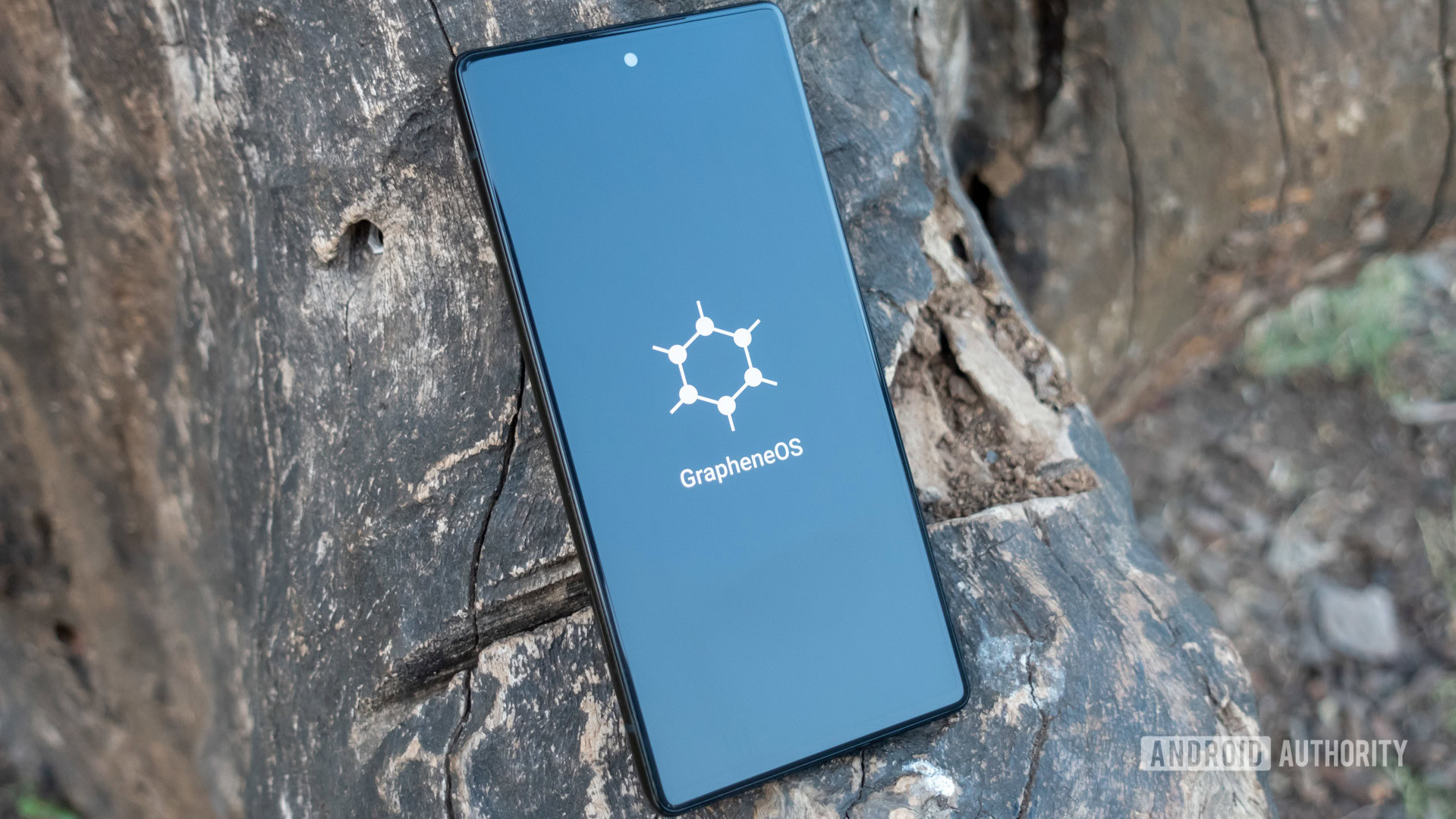
Weil die Frage wirklich oft kommt: Aus Sicherheits- und auch aus Datenschutzperspektive gibt es aktuell kein besseres Android als GrapheneOS. Das System setzt konsequent auf Hardening, schnelle Updates und ein sauberes App-Sandboxing – ohne Google-Zwang. Wer maximale Kontrolle will, bekommt sie: Google-Dienste sind optional und laufen (falls gewünscht) als normale Apps in der Sandbox. Ideal, wenn ihr euer Smartphone sicher und zugleich datensparsam betreiben wollt.

0
0
0
1
0
0
0
0
1
0
1
2
1
0
0
1
0
1
0
0
1
0
0
0
2
0
1

An idle question to people with Topping DC3 Pro+ USB DACs, such as @gnomonBen Zanin : do you power yours off if you’re not going to be using it for a while, such as overnight? I have been superstitiously doing this after I noticed that mine is kind of warm to the touch when in use (not uncomfortably warm, especially this season). But maybe I’m doing it wrong and it’s better to leave it on all the time.

(My desktop and its USB is on 24/7.)

0
0
0
1
0
1
1

google (american company) is launching a product named aluminium OS. not aluminum, but aluminium. they've explicitly chosen the foreign spelling of the name.

this poll is only for those who normally call element 13 "aluminum" (americans, canadians, etc): how will/would you pronounce google's new operating system?

0
0

I have deeply mixed feelings about 's adoption of JSON-LD, as someone who's spent way too long dealing with it while building .

Part of me wishes it had never happened. A lot of developers jump into ActivityPub development without really understanding JSON-LD, and honestly, can you blame them? The result is a growing number of implementations producing technically invalid JSON-LD. It works, sort of, because everyone's just pattern-matching against what Mastodon does, but it's not correct. And even developers who do take the time to understand JSON-LD often end up hardcoding their documents anyway, because proper JSON-LD processor libraries simply don't exist for many languages. No safety net, no validation, just vibes and hoping you got the @context right. Naturally, mistakes creep in.

But then the other part of me thinks: well, we're stuck with JSON-LD now. There's no going back. So wouldn't it be nice if people actually used it properly? Process the documents, normalize them, do the compaction and expansion dance the way the spec intended. That's what Fedify does.

Here's the part that really gets to me, though. Because Fedify actually processes JSON-LD correctly, it's more likely to break when talking to implementations that produce malformed documents. From the end user's perspective, Fedify looks like the fragile one. “Why can't I follow this person?” Well, because their server is emitting garbage JSON-LD that happens to work with implementations that just treat it as a regular JSON blob. Every time I get one of these bug reports, I feel a certain injustice. Like being the only person in the group project who actually read the assignment.

To be fair, there are real practical reasons why most people don't bother with proper JSON-LD processing. Implementing a full processor is genuinely a lot of work. It leans on the entire Linked Data stack, which is bigger than most people expect going in. And the performance cost isn't trivial either. Fedify uses some tricks to keep things fast, and I'll be honest, that code isn't my proudest work.

Anyway, none of this is going anywhere. Just me grumbling into the void. If you're building an ActivityPub implementation, maybe consider using a JSON-LD processor if one's available for your language. And if you're not going to, at least test your output against implementations that do.

2
25
1
0
0
1
1

google (american company) is launching a product named aluminium OS. not aluminum, but aluminium. they've explicitly chosen the foreign spelling of the name.

this poll is only for those who normally call element 13 "aluminum" (americans, canadians, etc): how will/would you pronounce google's new operating system?

0
2
0
0
0
0
0