What is Hackers' Pub?

Hackers' Pub is a place for software engineers to share their knowledge and experience with each other. It's also an ActivityPub-enabled social network, so you can follow your favorite hackers in the fediverse and get their latest posts in your feed.


0
0
0
0
1

확실히 스레드는 한국어 유저층이 늘긴 했는데, 메타가 의도한 트위터2가 아니라 인스타 애드온이라는 느낌이 든다. 트위터의 악덕은 줄었으나 인스타의 어둠이 더 짙게 느껴지는 그런 곳이 됐다. 😅 인스타의 뒷골목. 번화가의 뒷골목인만큼 사람도 정보도 많긴 한데.;

0
0
1
0
1
0
0
0
0
0
0
0
0
0
0
0

If you're interested in building your own server but don't know where to start, I recommend checking out 's Creating your own federated microblog. It provides a comprehensive, step-by-step guide that walks you through building a fully functional federated application. Perfect for developers who want to dive into the !

ActivityPubサーバーを構築してみたいけれど、どこから始めればよいかわからない方には、Fedifyのチュートリアル『自分だけのフェディバースのマイクロブログを作ろう!』をおすすめします。包括的でステップバイステップのガイドで、完全に機能する連合型アプリケーションの構築方法を丁寧に解説しています。フェディバースに飛び込みたい開発者にぴったりです!

1
0
0
0
1
0
0
0
0
0

What is the correct way to print degrees Celsius or Fahrenheit?

“℃” and “℉ are individual characters, but with the degree symbol and the letter as separate characters—“°C” and “°F”—is that correct too? The latter ensures the same typeface as the surrounding body text is used for the letters.

Can someone with more expertise on... publishing? editing? writing? weigh in here? 😅 Is there an accessibility benefit to using the unified symbol?

0
0
0
0
0
0
0
0

I'm working on a new JavaScript/TypeScript library for natural language translation powered by LLMs. I want a name that feels elegant, memorable, and reflects the essence of translation.

I've narrowed it down to four candidates from different linguistic roots. Which one do you think fits bets?

  • Xindaya (信達雅): Derived from Yan Fu (嚴復)'s Three Pillars of Translationfaithfulness (信), expressiveness (達), and elegance (雅).

  • Vertana (वर्तन): Means transformation, turning, or process. It evokes the fluid and sacred process of transforming meaning from one language to another.

  • Glosso (γλῶσσα): The root for tongue or language. It's the origin of terms like glosssary and polyglot.

  • Fanyi (飜譯): The direct and minimal term for translation. It's punchy and honors the long-standing tradition of translation in East Asia.

0
0
0
1
0
0
0

"you do not have permission to access this file"

I assure you that *I* do. Unfortunately you, dear program, trapped such as you are inside the prison of incredible unseriousness that is `snapd`, do not, because for SOME REASON it has been decided that snaps being able to access files is Bad, Actually

0
1
0
0
1
0
0
1

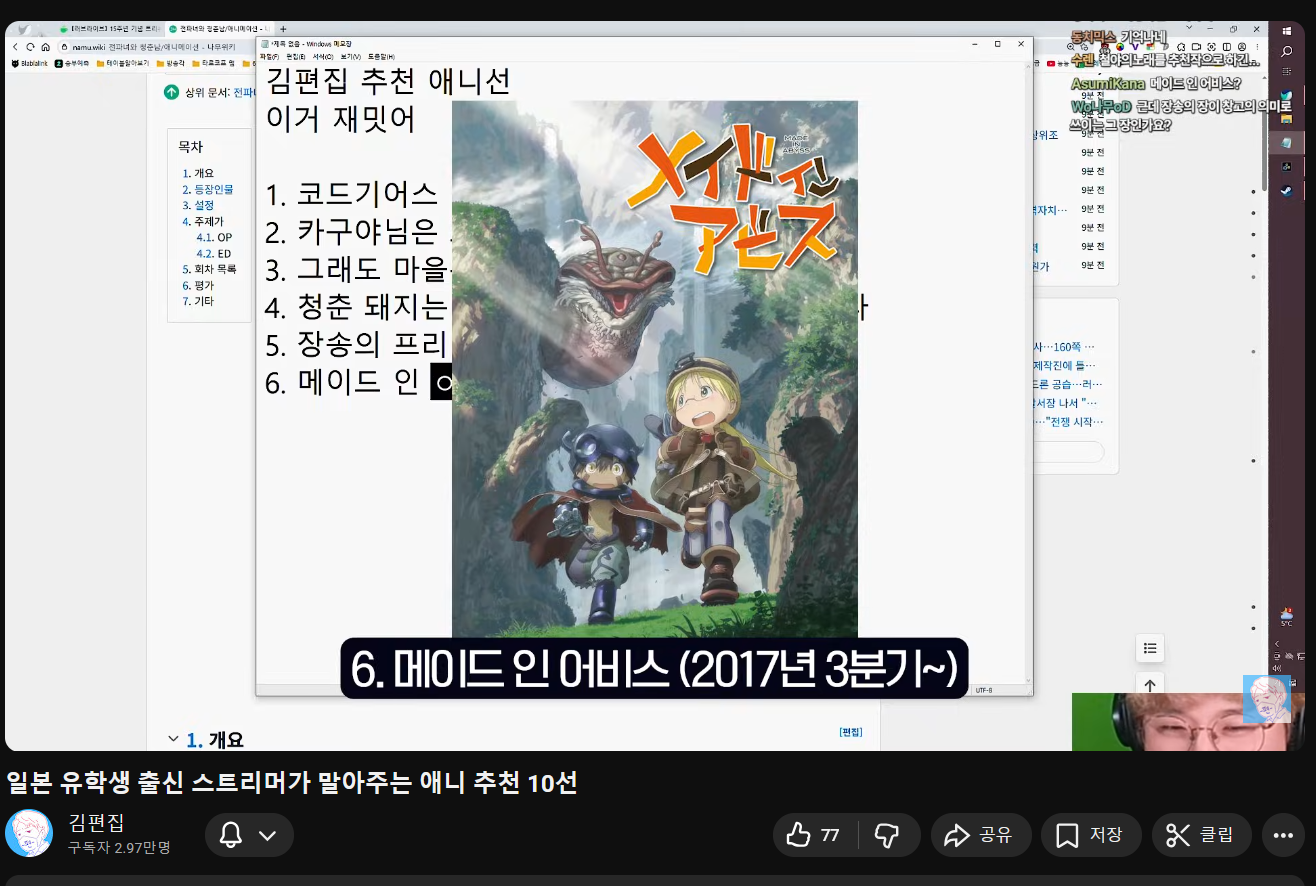
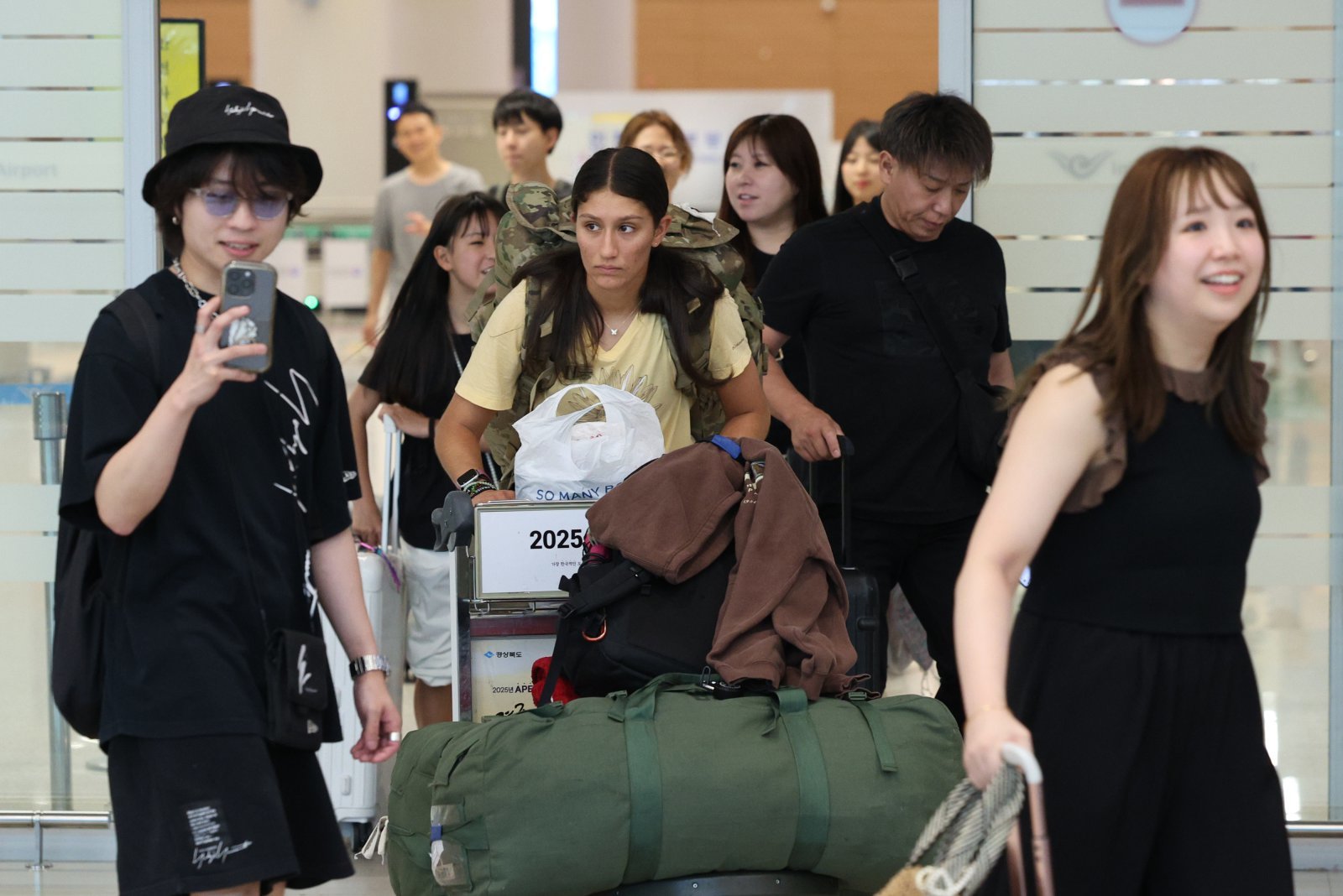
본좌 전공이 외국어고 학교에 꽤 유명한 어학당이 있다보니까 이래저래 어학당 다니는 외국인들을 보면서 생긴 선입견 같은 게 있는데

- 주로 남쪽 사람들이 한국어 발음이 비교적 좋다
- 중국 대륙 특히 북쪽 사람들은 받침이 새는 경향이 있다
- 일본 사람들은 받침을 별도 음절로 분해해서 발음하는 경향이 있다 (ex. 매콤김치낙지죽 -> [매코므기므치나끄지주끄])
- 서양 사람들은 ㄹ 발음을 못한다 r이나 l에 대입해서 생각하다보니

근데 최근 들어서 치지직 한국 플랫폼에서 한국어로 방송하는 일본인들을 보게 되는데 세 번째 특징이 엄청나게 희석되는 걸 발견중

아니 대만 쪽이나 베트남 쪽은 입성이 방언에 포함되어 있으니까 발음이 되는 건 이해가 가는데 이건 진짜 이해가 안 가네 어떻게 한거지 일본어에 아예 ㅂㅅㄱ 받침음이라는 개념이 없을텐데

0
2