What is Hackers' Pub?

Hackers' Pub is a place for software engineers to share their knowledge and experience with each other. It's also an ActivityPub-enabled social network, so you can follow your favorite hackers in the fediverse and get their latest posts in your feed.

1
1
0
0
0
0
0

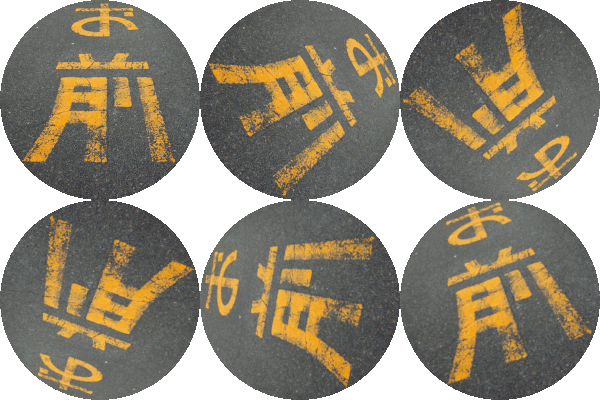
고무 gomme, 프랑스 갑빠 capa, 포르투갈 뺑끼 pek, 네덜란드 놈팽이 Lumpen, 독일 쿠우쿠우 食う食う, 일본 고구마 孝行芋, 일본 가브리살 被り살, 일본 케첩 kôechiap, 중국 건달 gaṃdharva, 산스크리트 나락 naraka, 산스크리트 뚝스딱스 tuxtax, 라틴 순대 senggiduha, 만주 엉터리 Ongtori, 만주 키오스크 (köşk; 튀르키예) 슬로건 (slaugh-gharim; 아일랜드) 샴푸 (चाँपो; 힌디) 파자마 (पाजामा; 힌디) 업진살 (ebči'ün+살; 몽골) "와" ...

0
0
0
0
1
0

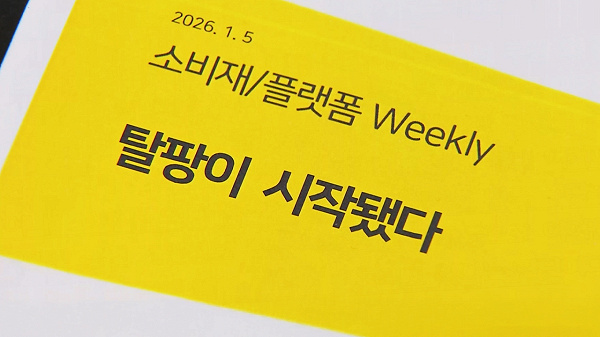
'탈팡이 시작됐다' 벌써 10% 이탈…경쟁사들 거센 추격 (영상) news.jtbc.co.kr/article/NB12... "[박다은/쿠팡 탈퇴 고객 : 탈퇴는 어렵지 않게 바로 했어요. 제대로 된 사과와 보상이 있어야만 다시 돌아갈 수 있을 것 같아요.] LS증권은 보고서에서 "탈팡이 시작됐다"며 "보상 쿠폰 등에 대한 반감으로 이탈 조짐이 확인된다"고 분석했습니다. 그러면서 다른 이커머스 업계 경쟁자들의 추격이 거세다고 짚었습니다."

‘탈팡이 시작됐다’ 벌써 10% 이탈…경쟁사들 거센 추...

0
0
0
0
0
0
0

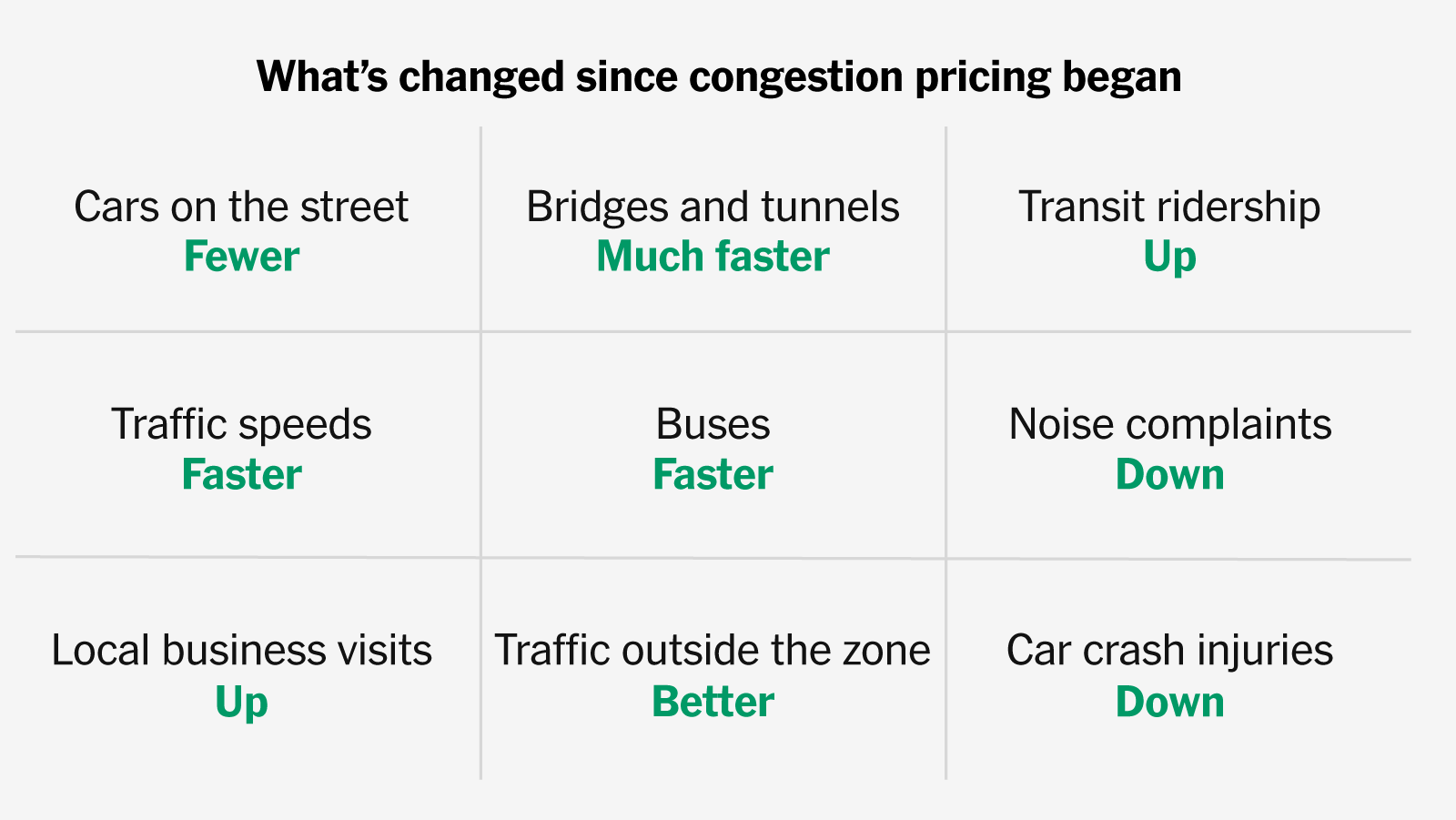
"All right, but apart from the sanitation, the medicine, education, wine, public order, irrigation, roads, the fresh water system, and public health...what have the Romans ever done for us?"

By the same token, when you look closely, what has congestion pricing done for anyway?

nytimes.com/interactive/2026/0

0
0
0
0
0
0

그리고 이 자동화 생산기계를 제공하는곳은 서드파티 회사들인데 얘네들이 뭘 어떻게 하는지 아주 세부적인 컨트롤까지 다 하는거 같더라고요 구독하는건 아니고 정말 기계를 사가기땜시... 사실 공장내에서 자동화를 이족로봇으로 하는것은 일종의 쇼이고 이족로봇이 정말 실제로 무서운 변화를 만들어낼수 있는 부분은 일상 생활과 전장이 아닐까 싶습니다;; 로봇이 상대적으로 없는곳에 로봇이 들어가면 체감 효과가 엄청 클듯.

0

제가 다니는 블랙회사가 공장은 신기하게 잘 운영하는데 이미 거의 99% 자동화가 되어있는데 정말 원재료 집어넣으면 부품이 쨘 하고 나오는 그런 수준 ㅋㅋ 근데 그렇다고 노조나 사람이 없냐 그렇진 않습니다 자동화, 운영, 연구 등등 팀이 있는데 여기 사람들이 엄청 들어가있죠;; 그래서 노조도 여전히 있고 연구 인력도 엄청 들어가있고 그렇습니다;; 현대도 그런거 같긴하더라고요 보니까 그냥 일하는 사람의 전공과 디테일이 바뀌는것이고요

0

LLM에서 마크다운이 널리 쓰이게 되면서 안 보고 싶어도 볼 수 밖에 없게 된 흔한 꼬라지로 그림에서 보는 것처럼 마크다운 강조 표시(**)가 그대로 노출되어 버리는 광경이 있다. 이 문제는 CommonMark의 고질적인 문제로, 한 10년 전쯤에 보고한 적도 있는데 지금까지 어떤 해결책도 제시되지 않은 채로 방치되어 있다.

문제의 상세는 이러하다. CommonMark는 마크다운을 표준화하는 과정에서 파싱의 복잡도를 제한하기 위해 연속된 구분자(delimiter run)라는 개념을 넣었는데, 연속된 구분자는 어느 방향에 있느냐에 따라서 왼편(left-flanking)과 오른편(right-flanking)이라는 속성을 가질 수 있다(왼편이자 오른편일 수도 있고, 둘 다 아닐 수도 있다). 이 규칙에 따르면 **는 왼편의 연속된 구분자로부터 시작해서 오른편의 연속된 구분자로 끝나야만 한다. 여기서 중요한 건 왼편인지 오른편인지를 판단하는 데 외부 맥락이 전혀 안 들어가고 주변의 몇 글자만 보고 바로 결정된다는 것인데, 이를테면 왼편의 연속된 구분자는 **<보통 글자> 꼴이거나 <공백>**<기호> 또는 <기호>**<기호> 꼴이어야 한다. ("보통 글자"란 공백이나 기호가 아닌 글자를 가리킨다.) 첫번째 꼴은 아무래도 **마크다운**은 같이 낱말 안에 끼어 들어가 있는 연속된 구분자를 허용하기 위한 것이고, 두번째/세번째 꼴은 이 **"마크다운"** 형식은 같이 기호 앞에 붙어 있는 연속된 구분자를 제한적으로 허용하기 위한 것이라 해석할 수 있겠다. 오른편도 방향만 다르고 똑같은 규칙을 가지는데, 이 규칙으로 **마크다운(Markdown)**은을 해석해 보면 뒷쪽 **의 앞에는 기호가 들어 있으므로 뒤에는 공백이나 기호가 나와야 하지만 보통 글자가 나왔으므로 오른편이 아니라고 해석되어 강조의 끝으로 처리되지 않는 것이다.

CommonMark 명세에서도 설명되어 있지만, 이 규칙의 원 의도는 **이런 **식으로** 중첩되어** 강조된 문법을 허용하기 위한 것이다. 강조를 한답시고 **이런 ** 식으로 공백을 강조 문법 안쪽에 끼워 넣는 일이 일반적으로는 없으므로, 이런 상황에서 공백에 인접한 강조 문법은 항상 특정 방향에만 올 수 있다고 선언하는 것으로 모호함을 해소하는 것이다. 허나 CJK 환경에서는 공백이 아예 없거나 공백이 있어도 한국어처럼 낱말 안에서 기호를 쓰는 경우가 드물지 않기 때문에, 이런 식으로 어느 연속된 구분자가 왼편인지 오른편인지 추론하는 데 한계가 있다는 것이다. 단순히 <보통 문자>**<기호>도 왼편으로 해석하는 식으로 해서 **마크다운(Markdown)**은 같은 걸 허용한다 하더라도, このような**[状況](...)**は 이런 상황은 어쩔 것인가? 내가 느끼기에는 중첩되어 강조된 문법의 효용은 제한적인 반면 이로 인해 생기는 CJK 환경에서의 불편함은 명확하다. 그리고 LLM은 CommonMark의 설계 의도 따위는 고려하지 않고 실제 사람들이 사용할 법한 식으로 마크다운을 쓰기 때문에, 사람들이 막연하게 가지고만 있던 이런 불편함이 그대로 표면화되어 버린 것이고 말이다.

* 21. Ba5# - 백이 룩과 퀸을 희생한 후, 퀸 대신 **비숍(Ba5)**이 결정적인 체크메이트를 성공시킵니다. 흑 킹이 탈출할 곳이 없으며, 백의 기물로 막을 수도 없습니다. [강조 처리된 "비숍(Ba5)" 앞뒤에 마크다운의 강조 표시 "**"가 그대로 노출되어 있다.]
14
1
0
0
0

🔗 How the hell are you supposed to have a career in tech in 2026? via @anildash

The number one question I get from my friends, acquaintances, and mentees in the technology industry these days is, by far, variations on the basic theme of, “what the hell are we supposed to do now?”

anildash.com/2026/01/05/a-tech

0
0
0

삼성·SK, 서버용 D램값 70% 올린다 삼성전자와 SK하이닉스가 마이크로소프트(MS), 구글 등 글로벌 클라우드 업체에 판매할 서버용 D램 가격을 작년 4분기보다 최대 70% 높게 제시했다. 엔비디아, 브로드컴 등 인공지능(AI) 가속기 업체가 D램을 쌓아 만드는 HBM3E(5세대 고대역폭메모리) 주문을 늘리는 데다 빅테크도 추론용 AI에 들어가는 D램 구입을 확대해 서버용 D램 시장이 완벽한 ‘공급자 우위’로 변한 영향이다.

삼성·SK, 서버용 D램값 70% 올린다

0

삼성·SK, 서버용 D램값 70% 올린다

삼성전자와 SK하이닉스가 마이크로소프트(MS), 구글 등 글로벌 클라우드 업체에 판매할 서버용 D램 가격을 작년 4분기보다 최대 70% 높게 제시했다. 엔비디아, 브로드컴 등 인공지능(AI) 가속기 업체가 D램을 쌓아 만드는 HBM3E(5세대 고대역폭메모리) 주문을 늘리는 데다 빅테크도 추론용 AI에 들어가는 D램 구입을 확대해 서버용 D램 시장이 완벽한 ‘공급자 우위’로 변한 영향이다. n.news.naver.com/article/015/0

0

“complementary/competitive cognitive artifact” (david krakauer) names the distinction between tools for thought that build new cognitive skills vs those that replace them. i hate these terms yet the thing they name is something I want to talk about all the time. anyone got a different set of words?

0
0
0
0
0
0
0
0

Hey Guys, gals, people and pets, Satya Nadella is getting tired of people calling AI Slop output AI Slop. If everyone can stop that's be great as it is upsetting Microslops share holders.

Don't start calling Microslop Microslop or use the tag as it might burst the AI bubble and then Microslop might have to take SlopPilot out of Windows. As you know, that would be terrible.

windowscentral.com/artificial-

The Microsoft four coloured squares logo next to the Microslop name.
0
0
0

<공지> 더 버지 등의 취재 결과 이 게시물은 AI 생성된 거짓 내용이고 작성자가 제시한 사원증, 내부 문건 역시 AI로 생성된 가짜임이 밝혀졌습니다. www.theverge.com/news/855328/...

RE: https://bsky.app/profile/did:plc:eeffxw7sfmqw2rv2cgi3uj3l/post/3mbjd6n7ryc2j


That viral Reddit post about f...

0
0

LLM에서 마크다운이 널리 쓰이게 되면서 안 보고 싶어도 볼 수 밖에 없게 된 흔한 꼬라지로 그림에서 보는 것처럼 마크다운 강조 표시(**)가 그대로 노출되어 버리는 광경이 있다. 이 문제는 CommonMark의 고질적인 문제로, 한 10년 전쯤에 보고한 적도 있는데 지금까지 어떤 해결책도 제시되지 않은 채로 방치되어 있다.

문제의 상세는 이러하다. CommonMark는 마크다운을 표준화하는 과정에서 파싱의 복잡도를 제한하기 위해 연속된 구분자(delimiter run)라는 개념을 넣었는데, 연속된 구분자는 어느 방향에 있느냐에 따라서 왼편(left-flanking)과 오른편(right-flanking)이라는 속성을 가질 수 있다(왼편이자 오른편일 수도 있고, 둘 다 아닐 수도 있다). 이 규칙에 따르면 **는 왼편의 연속된 구분자로부터 시작해서 오른편의 연속된 구분자로 끝나야만 한다. 여기서 중요한 건 왼편인지 오른편인지를 판단하는 데 외부 맥락이 전혀 안 들어가고 주변의 몇 글자만 보고 바로 결정된다는 것인데, 이를테면 왼편의 연속된 구분자는 **<보통 글자> 꼴이거나 <공백>**<기호> 또는 <기호>**<기호> 꼴이어야 한다. ("보통 글자"란 공백이나 기호가 아닌 글자를 가리킨다.) 첫번째 꼴은 아무래도 **마크다운**은 같이 낱말 안에 끼어 들어가 있는 연속된 구분자를 허용하기 위한 것이고, 두번째/세번째 꼴은 이 **"마크다운"** 형식은 같이 기호 앞에 붙어 있는 연속된 구분자를 제한적으로 허용하기 위한 것이라 해석할 수 있겠다. 오른편도 방향만 다르고 똑같은 규칙을 가지는데, 이 규칙으로 **마크다운(Markdown)**은을 해석해 보면 뒷쪽 **의 앞에는 기호가 들어 있으므로 뒤에는 공백이나 기호가 나와야 하지만 보통 글자가 나왔으므로 오른편이 아니라고 해석되어 강조의 끝으로 처리되지 않는 것이다.

CommonMark 명세에서도 설명되어 있지만, 이 규칙의 원 의도는 **이런 **식으로** 중첩되어** 강조된 문법을 허용하기 위한 것이다. 강조를 한답시고 **이런 ** 식으로 공백을 강조 문법 안쪽에 끼워 넣는 일이 일반적으로는 없으므로, 이런 상황에서 공백에 인접한 강조 문법은 항상 특정 방향에만 올 수 있다고 선언하는 것으로 모호함을 해소하는 것이다. 허나 CJK 환경에서는 공백이 아예 없거나 공백이 있어도 한국어처럼 낱말 안에서 기호를 쓰는 경우가 드물지 않기 때문에, 이런 식으로 어느 연속된 구분자가 왼편인지 오른편인지 추론하는 데 한계가 있다는 것이다. 단순히 <보통 문자>**<기호>도 왼편으로 해석하는 식으로 해서 **마크다운(Markdown)**은 같은 걸 허용한다 하더라도, このような**[状況](...)**は 이런 상황은 어쩔 것인가? 내가 느끼기에는 중첩되어 강조된 문법의 효용은 제한적인 반면 이로 인해 생기는 CJK 환경에서의 불편함은 명확하다. 그리고 LLM은 CommonMark의 설계 의도 따위는 고려하지 않고 실제 사람들이 사용할 법한 식으로 마크다운을 쓰기 때문에, 사람들이 막연하게 가지고만 있던 이런 불편함이 그대로 표면화되어 버린 것이고 말이다.

* 21. Ba5# - 백이 룩과 퀸을 희생한 후, 퀸 대신 **비숍(Ba5)**이 결정적인 체크메이트를 성공시킵니다. 흑 킹이 탈출할 곳이 없으며, 백의 기물로 막을 수도 없습니다. [강조 처리된 "비숍(Ba5)" 앞뒤에 마크다운의 강조 표시 "**"가 그대로 노출되어 있다.]

As Markdown has become the standard for LLM outputs, we are now forced to witness a common and unsightly mess where Markdown emphasis markers (**) remain unrendered and exposed, as seen in the image. This is a chronic issue with the CommonMark specification---one that I once reported about ten years ago---but it has been left neglected without any solution to this day.

The technical details of the problem are as follows: In an effort to limit parsing complexity during the standardization process, CommonMark introduced the concept of "delimiter runs." These runs are assigned properties of being "left-flanking" or "right-flanking" (or both, or neither) depending on their position. According to these rules, a bolded segment must start with a left-flanking delimiter run and end with a right-flanking one. The crucial point is that whether a run is left- or right-flanking is determined solely by the immediate surrounding characters, without any consideration of the broader context. For instance, a left-flanking delimiter must be in the form of **<ordinary character>, <whitespace>**<punctuation>, or <punctuation>**<punctuation>. (Here, "ordinary character" refers to any character that is not whitespace or punctuation.) The first case is presumably intended to allow markers embedded within a word, like **마크다운**은, while the latter cases are meant to provide limited support for markers placed before punctuation, such as in 이 **"마크다운"** 형식은. The rules for right-flanking are identical, just in the opposite direction.

However, when you try to parse a string like **마크다운(Markdown)**은 using these rules, it fails because the closing ** is preceded by punctuation (a parenthesis) and it must be followed by whitespace or another punctuation mark to be considered right-flanking. Since it is followed by an ordinary letter (), it is not recognized as right-flanking and thus fails to close the emphasis.

As explained in the CommonMark spec, the original intent of this rule was to support nested emphasis, like **this **way** of nesting**. Since users typically don't insert spaces inside emphasis markers (e.g., **word **), the spec attempts to resolve ambiguity by declaring that markers adjacent to whitespace can only function in a specific direction. However, in CJK (Chinese, Japanese, Korean) environments, either spaces are completly absent or (as in Korean) punctuations are commonly used within a word. Consequently, there are clear limits to inferring whether a delimiter is left or right-flanking based on these rules. Even if we were to allow <ordinary character>**<punctuation> to be interpreted as left-flanking to accommodate cases like **마크다운(Markdown)**은, how would we handle something like このような**[状況](...)は**?

In my view, the utility of nested emphasis is marginal at best, while the frustration it causes in CJK environments is significant. Furthermore, because LLMs generate Markdown based on how people would actually use it---rather than strictly following the design intent of CommonMark---this latent inconvenience that users have long felt is now being brought directly to the surface.

* 21. Ba5# - 백이 룩과 퀸을 희생한 후, 퀸 대신 **비숍(Ba5)**이 결정적인 체크메이트를 성공시킵니다. 흑 킹이 탈출할 곳이 없으며, 백의 기물로 막을 수도 없습니다. [The emphasized portion `비숍(Ba5)` is surrounded by unrendered Markdown emphasis marks `**`.]
14
2
1
1

LLM에서 마크다운이 널리 쓰이게 되면서 안 보고 싶어도 볼 수 밖에 없게 된 흔한 꼬라지로 그림에서 보는 것처럼 마크다운 강조 표시(**)가 그대로 노출되어 버리는 광경이 있다. 이 문제는 CommonMark의 고질적인 문제로, 한 10년 전쯤에 보고한 적도 있는데 지금까지 어떤 해결책도 제시되지 않은 채로 방치되어 있다.

문제의 상세는 이러하다. CommonMark는 마크다운을 표준화하는 과정에서 파싱의 복잡도를 제한하기 위해 연속된 구분자(delimiter run)라는 개념을 넣었는데, 연속된 구분자는 어느 방향에 있느냐에 따라서 왼편(left-flanking)과 오른편(right-flanking)이라는 속성을 가질 수 있다(왼편이자 오른편일 수도 있고, 둘 다 아닐 수도 있다). 이 규칙에 따르면 **는 왼편의 연속된 구분자로부터 시작해서 오른편의 연속된 구분자로 끝나야만 한다. 여기서 중요한 건 왼편인지 오른편인지를 판단하는 데 외부 맥락이 전혀 안 들어가고 주변의 몇 글자만 보고 바로 결정된다는 것인데, 이를테면 왼편의 연속된 구분자는 **<보통 글자> 꼴이거나 <공백>**<기호> 또는 <기호>**<기호> 꼴이어야 한다. ("보통 글자"란 공백이나 기호가 아닌 글자를 가리킨다.) 첫번째 꼴은 아무래도 **마크다운**은 같이 낱말 안에 끼어 들어가 있는 연속된 구분자를 허용하기 위한 것이고, 두번째/세번째 꼴은 이 **"마크다운"** 형식은 같이 기호 앞에 붙어 있는 연속된 구분자를 제한적으로 허용하기 위한 것이라 해석할 수 있겠다. 오른편도 방향만 다르고 똑같은 규칙을 가지는데, 이 규칙으로 **마크다운(Markdown)**은을 해석해 보면 뒷쪽 **의 앞에는 기호가 들어 있으므로 뒤에는 공백이나 기호가 나와야 하지만 보통 글자가 나왔으므로 오른편이 아니라고 해석되어 강조의 끝으로 처리되지 않는 것이다.

CommonMark 명세에서도 설명되어 있지만, 이 규칙의 원 의도는 **이런 **식으로** 중첩되어** 강조된 문법을 허용하기 위한 것이다. 강조를 한답시고 **이런 ** 식으로 공백을 강조 문법 안쪽에 끼워 넣는 일이 일반적으로는 없으므로, 이런 상황에서 공백에 인접한 강조 문법은 항상 특정 방향에만 올 수 있다고 선언하는 것으로 모호함을 해소하는 것이다. 허나 CJK 환경에서는 공백이 아예 없거나 공백이 있어도 한국어처럼 낱말 안에서 기호를 쓰는 경우가 드물지 않기 때문에, 이런 식으로 어느 연속된 구분자가 왼편인지 오른편인지 추론하는 데 한계가 있다는 것이다. 단순히 <보통 문자>**<기호>도 왼편으로 해석하는 식으로 해서 **마크다운(Markdown)**은 같은 걸 허용한다 하더라도, このような**[状況](...)**は 이런 상황은 어쩔 것인가? 내가 느끼기에는 중첩되어 강조된 문법의 효용은 제한적인 반면 이로 인해 생기는 CJK 환경에서의 불편함은 명확하다. 그리고 LLM은 CommonMark의 설계 의도 따위는 고려하지 않고 실제 사람들이 사용할 법한 식으로 마크다운을 쓰기 때문에, 사람들이 막연하게 가지고만 있던 이런 불편함이 그대로 표면화되어 버린 것이고 말이다.

* 21. Ba5# - 백이 룩과 퀸을 희생한 후, 퀸 대신 **비숍(Ba5)**이 결정적인 체크메이트를 성공시킵니다. 흑 킹이 탈출할 곳이 없으며, 백의 기물로 막을 수도 없습니다. [강조 처리된 "비숍(Ba5)" 앞뒤에 마크다운의 강조 표시 "**"가 그대로 노출되어 있다.]

As Markdown has become the standard for LLM outputs, we are now forced to witness a common and unsightly mess where Markdown emphasis markers (**) remain unrendered and exposed, as seen in the image. This is a chronic issue with the CommonMark specification---one that I once reported about ten years ago---but it has been left neglected without any solution to this day.

The technical details of the problem are as follows: In an effort to limit parsing complexity during the standardization process, CommonMark introduced the concept of "delimiter runs." These runs are assigned properties of being "left-flanking" or "right-flanking" (or both, or neither) depending on their position. According to these rules, a bolded segment must start with a left-flanking delimiter run and end with a right-flanking one. The crucial point is that whether a run is left- or right-flanking is determined solely by the immediate surrounding characters, without any consideration of the broader context. For instance, a left-flanking delimiter must be in the form of **<ordinary character>, <whitespace>**<punctuation>, or <punctuation>**<punctuation>. (Here, "ordinary character" refers to any character that is not whitespace or punctuation.) The first case is presumably intended to allow markers embedded within a word, like **마크다운**은, while the latter cases are meant to provide limited support for markers placed before punctuation, such as in 이 **"마크다운"** 형식은. The rules for right-flanking are identical, just in the opposite direction.

However, when you try to parse a string like **마크다운(Markdown)**은 using these rules, it fails because the closing ** is preceded by punctuation (a parenthesis) and it must be followed by whitespace or another punctuation mark to be considered right-flanking. Since it is followed by an ordinary letter (), it is not recognized as right-flanking and thus fails to close the emphasis.

As explained in the CommonMark spec, the original intent of this rule was to support nested emphasis, like **this **way** of nesting**. Since users typically don't insert spaces inside emphasis markers (e.g., **word **), the spec attempts to resolve ambiguity by declaring that markers adjacent to whitespace can only function in a specific direction. However, in CJK (Chinese, Japanese, Korean) environments, either spaces are completly absent or (as in Korean) punctuations are commonly used within a word. Consequently, there are clear limits to inferring whether a delimiter is left or right-flanking based on these rules. Even if we were to allow <ordinary character>**<punctuation> to be interpreted as left-flanking to accommodate cases like **마크다운(Markdown)**은, how would we handle something like このような**[状況](...)は**?

In my view, the utility of nested emphasis is marginal at best, while the frustration it causes in CJK environments is significant. Furthermore, because LLMs generate Markdown based on how people would actually use it---rather than strictly following the design intent of CommonMark---this latent inconvenience that users have long felt is now being brought directly to the surface.

* 21. Ba5# - 백이 룩과 퀸을 희생한 후, 퀸 대신 **비숍(Ba5)**이 결정적인 체크메이트를 성공시킵니다. 흑 킹이 탈출할 곳이 없으며, 백의 기물로 막을 수도 없습니다. [The emphasized portion `비숍(Ba5)` is surrounded by unrendered Markdown emphasis marks `**`.]
14
2
1
0
0
0
0
0
0