Recently I built a tool for writing GitHub Actions in TypeScript. Its name: GitHub Actions Justified Improvements, or gaji. Why did I end up writing GitHub Actions in TS, and how does it differ from existing tools? Let's dig in.
gaji official docs
Interning at Toss Client DevOps Team
Starting January this year, I began an internship at the Toss Client DevOps Team. The simplest way to describe the team: they build the infrastructure that lets client developers deploy quickly and safely.
My main work involved migrating existing workflows to GitHub Actions and creating custom actions for new checks. After dealing with dozens of workflows, I noticed something ironic: a team whose job is to build fast and safe deployment infrastructure was itself stuck with a slow and fragile process for building that infrastructure. To catch a single typo, I had to go through commit → push → CI run → check failure, over and over. There was no way to reproduce things locally, so mostly I just got better at git.
Ideas That Stuck With Me
A few ideas crystallized during the internship. Not a philosophy or anything—just observations.
-
Software is better when its inputs and outputs are clear.
-
YAML is not a language for expressing behavior. Actions have inputs, outputs, and side effects. They're behavior. Using YAML—a data description language—to express that seems like a category error. Trying to make something non-declarative look declarative is how you end up with the awkward pattern of shell scripts shoved inside YAML.
-
Good tools should be reproducible in any environment.
gaji came out of points 1 and 2. Point 3 is the domain of tools like act.
Three Structural Problems with GitHub Actions
With the above in mind, here's what's wrong with GitHub Actions:
- YAML is a data description language. It's not suited for expressing behavior.
- There's no type checking. You depend on external repositories constantly (even
actions/checkout@v5 is external), but there's zero validation of what inputs they expect. You're on your own reading docs and getting the format right by hand.
- Local reproduction is painful.
These three problems combine to make GitHub Actions a platform where you can't catch even a simple typo until you actually run it.
name: CI
on:
  push:
    branches: [main]

jobs:
  build:
    runs-on: ubuntu-latest
    steps:
      - uses: actions/checkout@v5

      - uses: actions/setup-node@v4
        with:
          node-versoin: '20'  # Typo in the key name! No error until runtime ❌
          cache: 'npm'

      - run: npm ci
      - run: npm test
gaji focuses on solving the first and second problems.
How gaji Compares to Existing Tools
actionlint
Honestly, I didn't know actionlint existed when I started building gaji. I found out about it later, and it's a great tool. It does type checking on ${{ }} expressions, validates action inputs, integrates shellcheck—it catches a lot of errors in YAML workflows.
But the approach is fundamentally different. actionlint is a linter that keeps YAML and catches errors after the fact. gaji leaves YAML behind entirely and tries to make errors impossible at write time. A linter says "you made a mistake." A type system makes it hard to make the mistake in the first place. On the developer experience side, actionlint requires running a separate CLI or installing an editor plugin. With gaji, you get native TypeScript autocomplete and inline type hints in your editor right away.
Using both together is even better. Running actionlint on the YAML that gaji generates is the ideal combo. gaji handles type safety for action inputs on the TypeScript side, and actionlint fills in the gaps with ${{ }} expression validation and other YAML-level checks.
emmanuelnk/github-actions-workflow-ts
github-actions-workflow-ts was the project that gave me the idea of expressing GitHub Actions in TypeScript. The concept of auto-generating types from action.yml is the same as gaji. The difference is who does the codegen. In github-actions-workflow-ts, the maintainer manages a trackedActions list and publishes it as an npm package. In gaji, the user generates types locally for every action they reference, on the spot.
The advantages of github-actions-workflow-ts are clear: install the npm package and you're good to go. No separate codegen step for the user. It also supports type safety for step outputs.
The downsides: only actions on the maintainer's tracked list get type support, so custom actions or internal GHE actions are out of luck. Adding new actions or versions depends on the maintainer, and it requires an external JS runtime.
gaji's advantage is that it generates types for whatever action you reference, instantly. Custom actions, internal GHE actions, doesn't matter. It runs as a Rust binary, so no JS runtime needed either. The downside is that you have to run gaji dev to generate types, and since generation happens locally, you need to set it up per project.
I went with gaji's approach because I'd spent time in a GHE environment dealing with tons of custom actions, and I needed something that could handle that.
gaji's Approach
Why I Built It This Way
Why Rust? Speed—but not just runtime speed. The built-in tooling (clippy, rustfmt, etc.) made LLM-assisted development much faster, and that mattered because I was building this while still interning. Also, Rust-based TypeScript tooling like oxc is already mature, so working with TypeScript from Rust was surprisingly comfortable.
Why TypeScript? I'm a JS/TS developer, for one. TypeScript's type system is powerful and widely known—most developers already have some familiarity with it. And the YAML structure of GitHub Actions is basically JSON anyway, so expressing it as JSON-like objects in TS/JS feels very natural. A neat proof of this: every gaji workflow file is itself a valid TypeScript file. If you run a gaji workflow in a TS-native runtime like Deno, it prints the workflow as JSON.
Why auto-codegen from action.yml? At the Client DevOps Team, I was writing custom actions, and there were already a lot of them. Having to read through each one's documentation by hand was exhausting, and that frustration was the direct motivation. While contributing to Hackers.pub, I encountered the concept of GraphQL auto-codegen and realized the same approach could work for GitHub Actions.
Core Structure
A gaji workflow follows the flow getAction() → Job → Workflow → .build(). Running gaji dev --watch detects new action references and auto-generates types for them.
import { getAction, Job, Workflow } from "../generated/index.js";

const checkout = getAction("actions/checkout@v5");
const setupNode = getAction("actions/setup-node@v4");

const build = new Job("ubuntu-latest")
  .addStep(checkout({}))
  .addStep(setupNode({
    with: {
      "node-version": "20",
      cache: "npm",
    },
  }))
  .addStep({ run: "npm ci" })
  .addStep({ run: "npm test" });

const workflow = new Workflow({
  name: "CI",
  on: { push: { branches: ["main"] } },
}).addJob("build", build);

workflow.build("ci");
Write it this way and you get autocomplete for all action inputs, compile-time type checking, IDE hints pulled from action.yml docs, and default value display—all working out of the box. Extracting common logic into a CompositeJob class, or calling reusable workflows with CallJob, feels natural because it's just TypeScript code.
Real-World Example: gaji's Own Release CD
gaji's entire CI/CD is written with gaji. The most complex one, release.ts, has 4 jobs:
build: cross-compilation for 5 platforms (linux-x64, linux-arm64, darwin-x64, darwin-arm64, win32-x64)upload-release-assets: upload binaries and checksums to a GitHub Releasepublish-npm: publish per-platform packages to npmpublish-crates: OIDC-based publish to crates.io
When this workflow compiles to YAML, it comes out to about 180 lines of flat structure. Without comments, it's hard to tell where one job ends and the next begins, or how they depend on each other. In the TypeScript version, the variable names alone—build, uploadReleaseAssets, publishNpm, publishCrates—make the structure immediately obvious. Six external actions are used with type safety, and the complex matrix build with OS-specific branching reads clearly within the code structure.
gaji's Limitations
gaji still has limitations.
The output is still YAML, at the end of the day. As long as the GitHub Actions platform takes YAML as input, gaji is constrained by that. gaji is the best you can do within this platform, not an ideal solution. Because the original action.yml inputs are only described as strings or numbers, gaji can't provide fine-grained value-level types like "npm" | "yarn" | "pnpm". GitHub Actions expressions like ${{ matrix.target.rust_target }} are still plain strings with no type verification possible.
There are technical limitations too. gaji dev works by statically analyzing getAction() calls, so only string literals are supported—variables and template literals won't work. It also can't catch typos in string values themselves (cache: "npn" vs cache: "npm").
What's Next
gaji's current architecture is TypeScript → Parse (oxc) → Execute (QuickJS) → YAML. While building the codegen, I had an idea: if the frontend (the language users write in) and the backend (YAML generation) are properly separated with a well-defined intermediate language, workflows could be written in languages other than TypeScript.
For 1.0, I'm planning to introduce a plugin system that opens up support for other languages. I want gaji's core value—automatic type generation from action.yml—to not be limited to TypeScript alone.
Special Thanks
Thanks to kiwiyou and RanolP for suggesting the name, and sij411 for making the logo.
Thanks to the Client DevOps Team as well. Without the experiences I had on that team, I never would have given YAML and GitHub Actions this much thought.
Thanks also to emmanuelnk/github-actions-workflow-ts. The idea of expressing GitHub Actions in TypeScript and the basic TS API design came from there.


 Paul Cantrell

 ✧✦Catherine✦✧
![== Lawsuit ==
<!-- lawsuit filings should be researched in more detail, very difficult to access such information online outside of china !-->
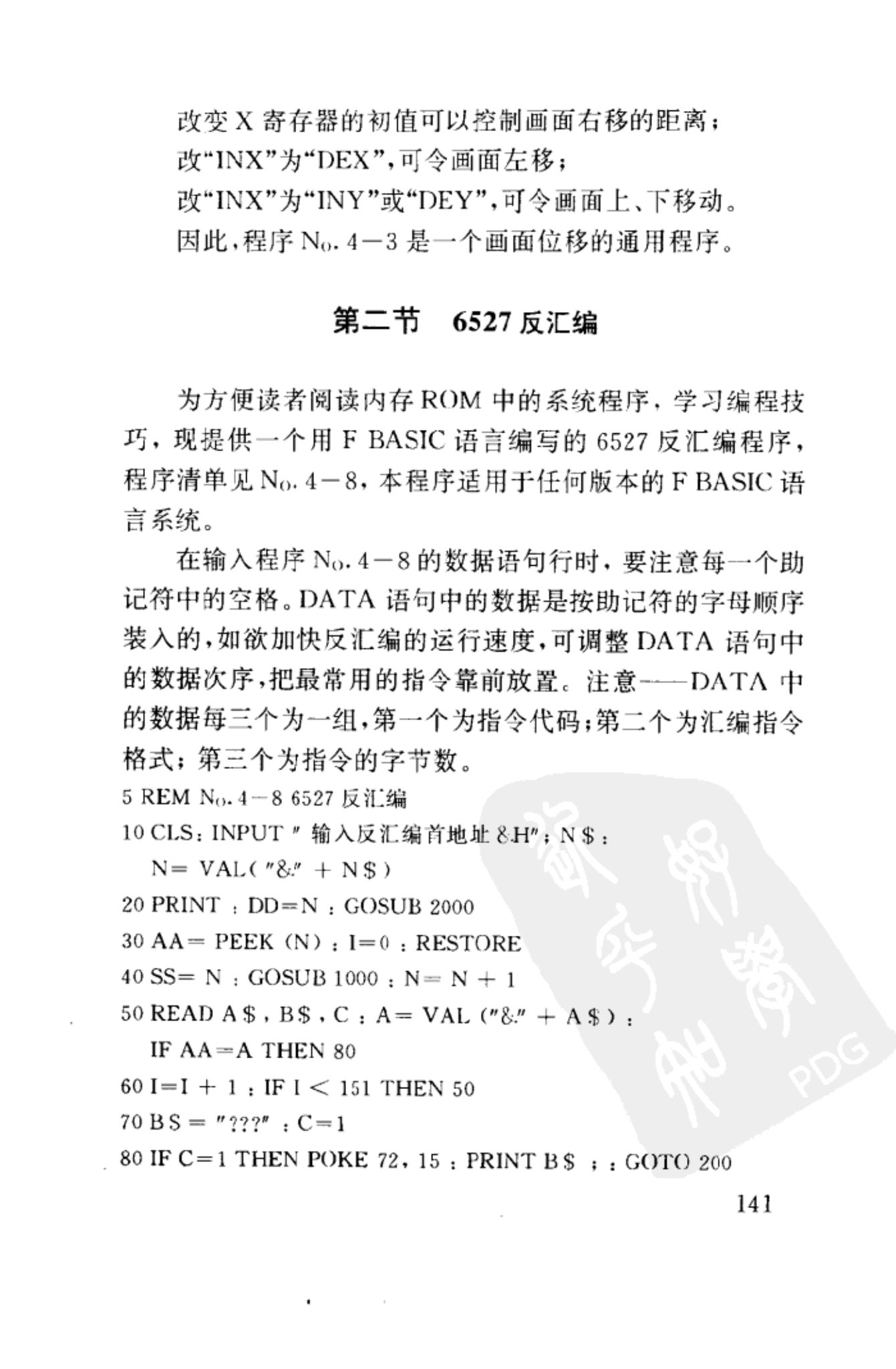
Following Subor's large popularity in China, the company reportedly began filing lawsuits (or threats of lawsuits) against other [[Famiclone]] manufacturers; claiming that such consoles "infringed" upon Subor's rights. This is a very ironic claim, considering the hardware and much of the software was pirated from Nintendo; in addition to some programs originating from the very companies that Subor was suing. Subor's litigation reportedly caused the majority of Famiclone manufacturers in mainland China - for both software and hardware - solely distributing their products in Hong Kong.<ref name="tgfc">https://club.tgfcer.com/thread-6022056-1-1.html</ref>
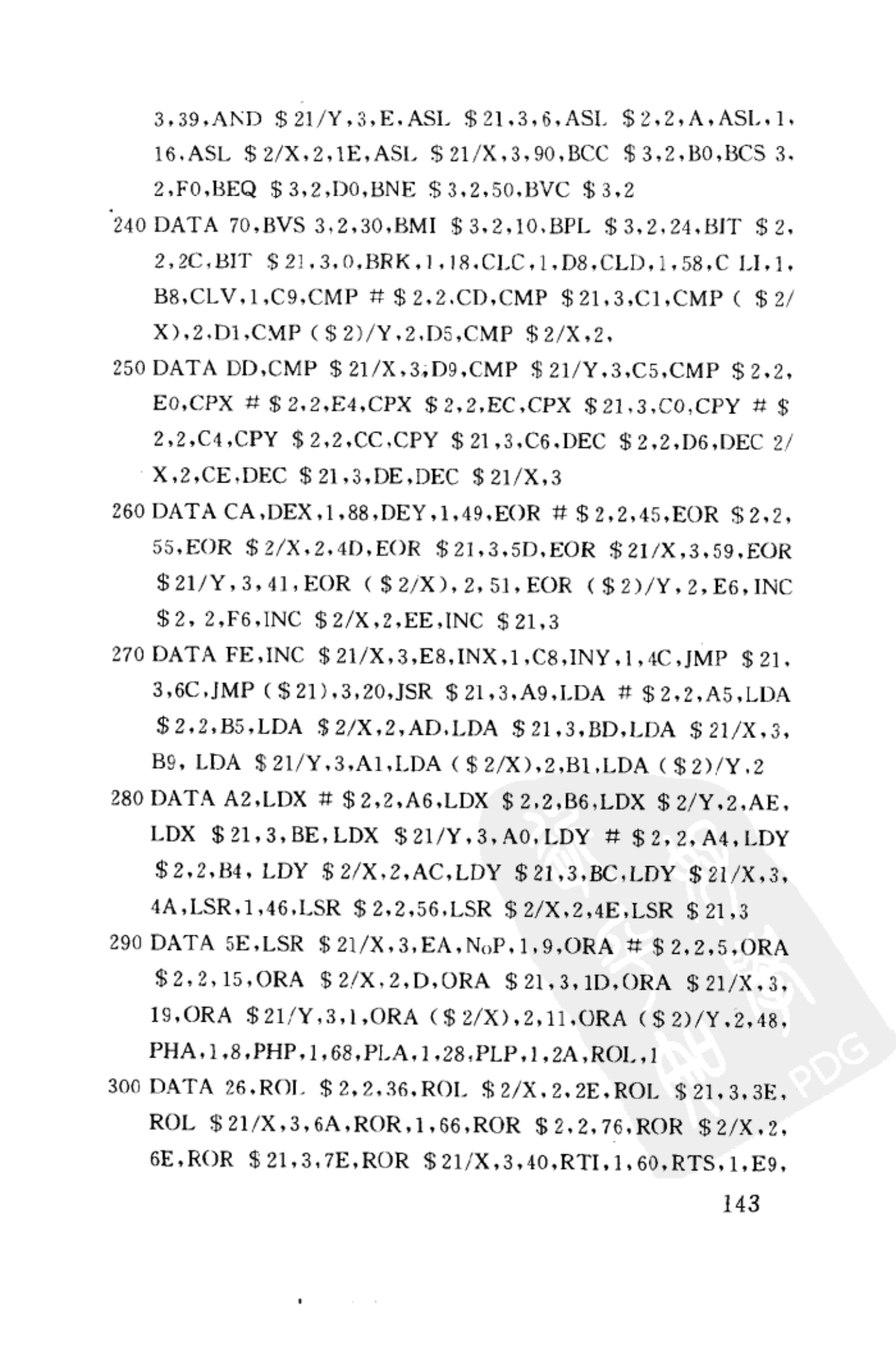
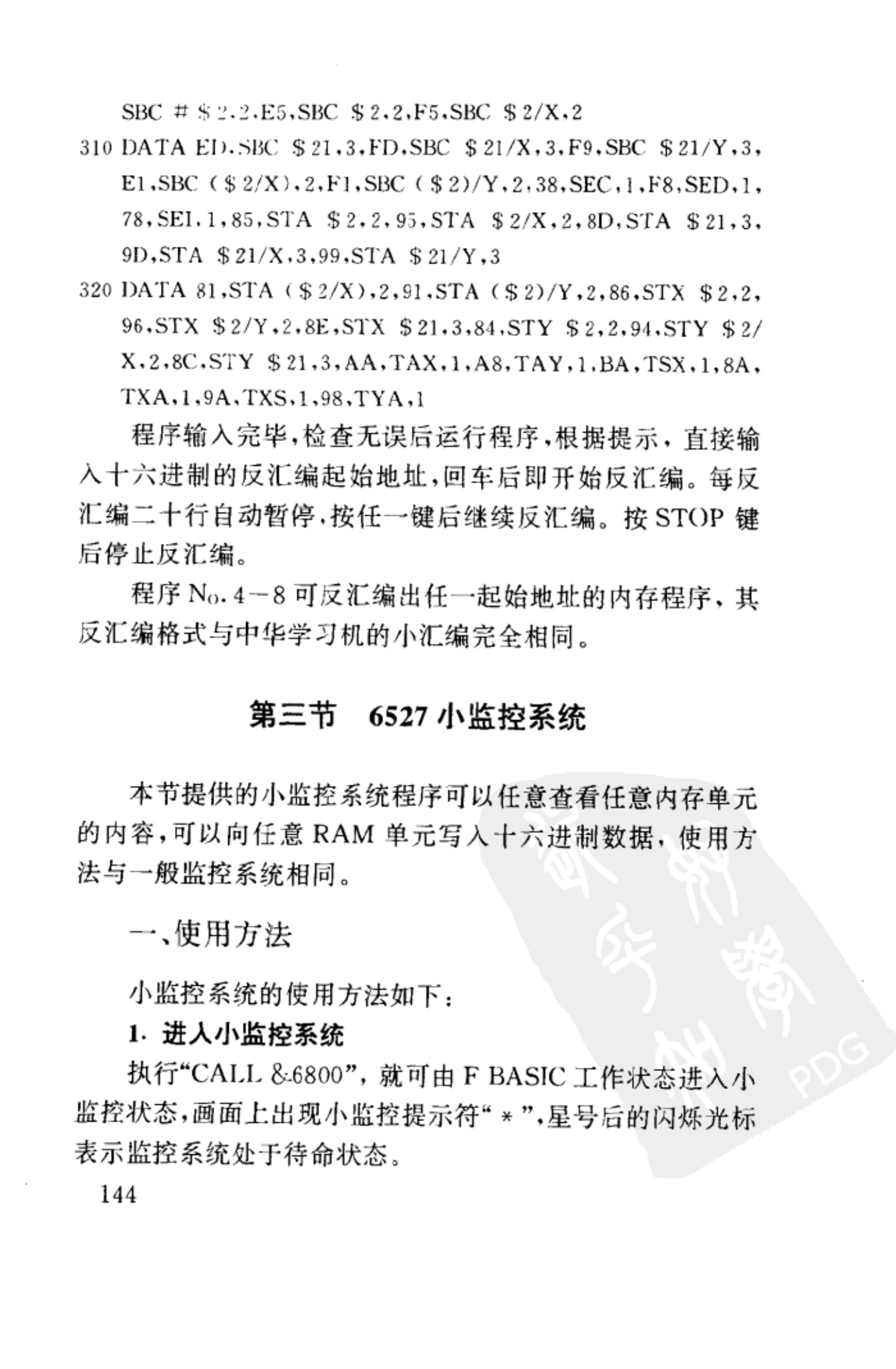
In response to Subor's clearly-distorted litigation, one development company - the relatively obscure "Fei Suo Computer Studio" - decided to put a "copyright trap" within their F-BASIC computer program. When entering the command "CALL 48386" (which appears to be in reference to a Subor TV commercial), the program will load a duplicate of the F-BASIC title screen. The intent of this was presumably to "trick" Subor's cartridge into displaying the Fei Suo copyright notice, in the instance that Subor would steal and rebrand the program.<ref name="tgfc" /><ref name="tcrf">https://tcrf.net/Subor_V3.0</ref>
Ultimately, F-BASIC would be included in version 3.0 of Subor; and as Fei Suo had planned, the "CALL 48386" trap was intact. Fei Suo would file a lawsuit against Subor over the F-BASIC program; however, the claim was ultimately rejected due to no profit loss towards Fei Suo being evident.<ref name="tgfc" /><ref name="tcrf" /> While Fai Suo was unsuccessful, this appears to have frightened Subor enough to remove the trap from later software revisions, in addition to removing references to Mario and other copyrighted characters. Most versions of Subor from version 4.0 onward use wholly original software, likely as a result of the lawsuit.](https://misskey-taube.s3.eu-central-1.wasabisys.com/files/29bccff5-fc05-4beb-8fb6-139ca8ec40ec.png)
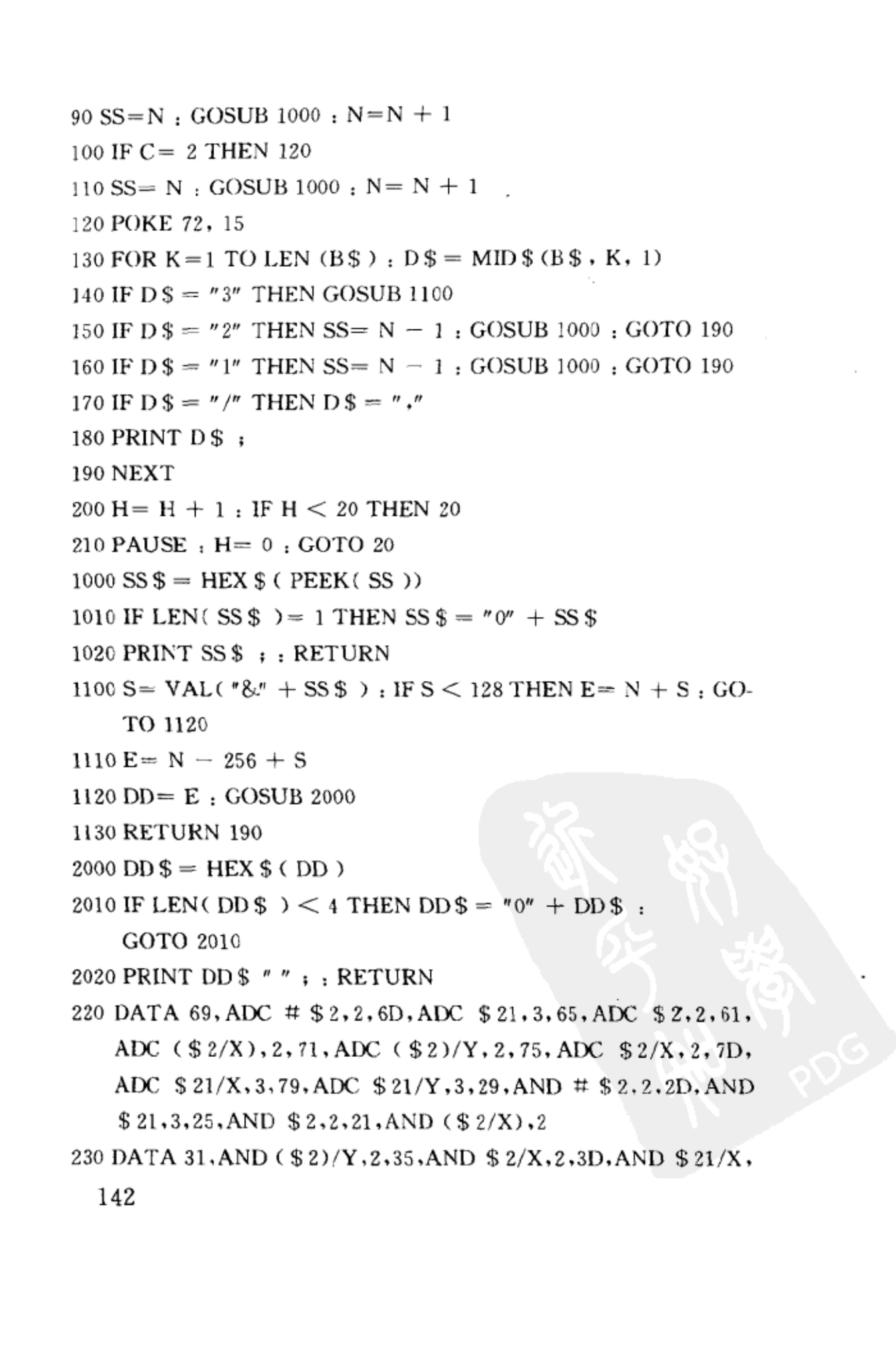
![[[File:Feisuo-subor-lawsuit-memory-map.png|alt=Overview of the memory map involved in the lawsuit.|thumb|519x519px|Overview of the memory map involved in the lawsuit. In Fei Suo's FS series home computers, ROM address <code>0x0000-0xAFFF</code> (44 KiB) were unrelated programs, <code>0xB000-0xBFFF</code> (4 KiB) was Fei Suo's loader, <code>C000-FFFF</code> (16 KiB) was the main F-BASIC program with Fei Suo's 32-byte modification. In Subor's SB series home computers, <code>0x0000-0x7FFF</code> (32 KiB) were unrelated programs, <code>0x8000-0x89FF</code> (2.5 KiB) was Subor's loader, <code>0x8A00-0xAFFF</code> was unrelated programs, <code>0xB000-0xBFFF</code> (4 KiB) was Fei Suo's loader, <code>C000-FFFF</code> (16 KiB) was Fei Suo's F-BASIC program, with an additional 10-byte modification by Subor.]]
=== F-BASIC copyright ===
Ironically, the court found the plaintiff Fei Suo was not the copyright owner of the main F-BASIC program, and had no legal right to prevent someone else from distributing a program that they did not write. Instead, F-BASIC by an unnamed third-party company was submitted as evidence to the court, which was never identified in court documents, with only the phrase "a certain company".<ref name="xiuchi1996"/><ref name="shoubu1999"/> Some sources used "a certain Taiwanese company"<ref name="tonglihua1999"/>, and the TCRF article claimed Fujitsu was the ultimate source.<ref name="tcrf" /> Although 32 bytes were changed in comparison to the original version, the court ruled that it was done for machine compatibility, which did not create a new derivative work copyrightable by Fei Suo.
=== Loader Copyright ===
Therefore, the entire legal basis of Fei Suo's copyright claim stood on the 4 KiB loader program, with uncertain copyrightability. Subor argued: (1) The loader didn't have any features, its sole purpose was displaying a copyright notice in software written by a 3rd-party, a copyright infringement in itself. (2) The loader was not independent from F-BASIC. Subor sought to undermine its status as a copyrightable work. However, the court ruled otherwise: the title screen contained a starfield animation, a chiptune arrangement of "Edelweiss", and code that waits for keyboard inputs. These features were sufficient to establish the work's copyrightability, in spite of its simplicity.
The court ruled that Subor indeed infringed Fei Suo's copyright of this 4 KiB loader, and ordered Subor to stop making or distributing products that contained the loader. However, since the loader was not executed during F-BASIC's normal usage, and Fei Suo was the only party who was aware of the loader's existence, no actual reputational or financial loss took place. Thus, both the public apology and monetary compensation demands were rejected.](https://misskey-taube.s3.eu-central-1.wasabisys.com/files/4cd180d3-bf12-48c7-9c82-b7b5c617c5ca.png)

 Em
Em 





 Cat 🐈🥗 (D.Burch)












 Foone🏳️⚧️
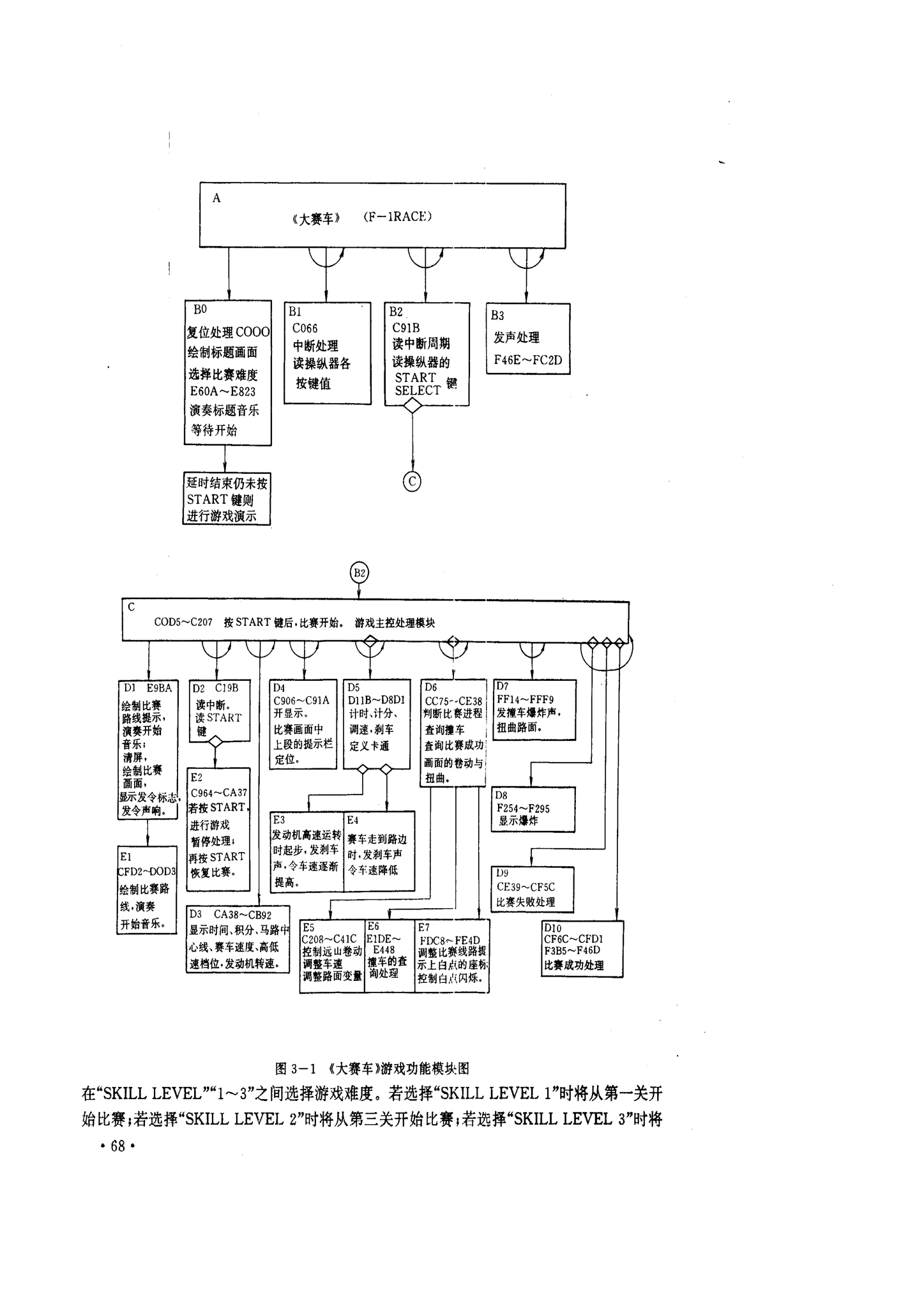
![图 3-5 《大赛车》游戏的主画面
比赛画面绘制完成后,赛车的发动机已经启动,处于怠速状态,这时若按下加速键 A 加油,发动机的转速将提高,发动机的“突突”声节奏加快、音调升高。当按一下 A 键又松开时,发动机的声响将发出轰油门的声音,效果极为逼真。
当发令声未响完发动机已经处于高速运转状态时,发令声过后,赛车将发出“吱吱”的刹车声,同时赛车的两个后轮将显示出赛车轮胎挫起的路面尘土,相应地发动机转速降低,赛车速度则逐渐提高,只有赛车到达一定的速度“吱吱”声才会消失,赛车进入正常行驶状态。这模拟了赛车发动机高速运转时起步的过程。
当赛车在行驶中走到路边时,也将发出“吱吱”的刹车声,同时车速减慢,只有驶离路边或赛车已经停止,“吱吱”声才会消失。
在比赛中若赛车超过干扰车或被干扰车超过时,将发出超车声,超车声随两车距离由远到近而由弱渐强。这一超车声是干扰车的发动机声音,当两车并行时声音最强,随后以 [...]
(71 页)](https://misskey-taube.s3.eu-central-1.wasabisys.com/files/webpublic-4b04110a-eaa2-4a76-a778-4bb287925992.png)

 🕊️
🕊️ 








 @
@


 Lynnesbian