What is Hackers' Pub?

Hackers' Pub is a place for software engineers to share their knowledge and experience with each other. It's also an ActivityPub-enabled social network, so you can follow your favorite hackers in the fediverse and get their latest posts in your feed.

0
0

์–ด๋–ค ์•ฑ์—์„œ ์ฒœ์› ํ• ์ธํ•ด์ค„ํ…Œ๋‹ˆ ๋ฆฌ๋ทฐ ์จ๋‹ฌ๋ผ๊ณ  ํ•  ๋•Œ ๊ฒ๋‚˜ ์–ด์ด์—†๋‹ค. ๋‚˜ ๊ธ€(๋ฌธ์„œ) ๋น„์‹ผ๋ฐ? ๊ณ ์ž‘ ์ฒœ์› ๋ฐ›๊ณ  ์‚ด๋ ค๊ณ ?

0
0

้…”ใฃๆ‰•ใฃใŸใ—M1ใฎMacใฎ่ฉฑ้กŒใ‚’่ฆ‹ใ‹ใ‘ใŸใฎใงM1 MacBook Airใกใ‚ƒใ‚“ใ‹ใ‚‰ๅผŠใผใฃใกใฎๆ›ดๆ–ฐใ—ใ‚ˆใ†ใจๆ€ใฃใŸใ‘ใฉๆ–ฐใ—ใ„ใ‚ณใƒŸใƒƒใƒˆใŒใชใใฆใ“ใพใฃใจโ†

0

์ŠคํŠธ๋ ˆ์Šค ์ž๊ฐ€ ์ง„๋‹จ๋ฒ•์ด ์žˆ์Œ

๊ฐ€์Šด๋ผˆ ๊ฐ€์šด๋ฐ ๋ˆŒ๋Ÿฌ์„œ ์•„ํ”„๋ฉด ์ŠคํŠธ๋ ˆ์Šค ์Œ“์ธ๊ฑฐ์ž„
(๋ช…์น˜ ์•„๋‹˜. ์‚ฌ์ง„ ์ฐธ๊ณ )

๐Ÿ•ต๐Ÿปโ€โ™‚๏ธ ๋‚จ๋“ค ๋‹ค ์•„ํ”ˆ ์ค„ ์•Œ์•˜๋Š”๋ฐ ์•ˆ์•„ํ”„๋Œ€. ๋ญ์•ผ ์•ˆ์•„ํ”ˆ ์ ์ด ์—†๋Š”๋ฐ. ๋ผˆ๋‹ˆ๊นŒ ๋‹น์—ฐํžˆ ์•„ํ”ˆ๊ฑฐ ์•„๋‹ˆ๋ƒ.
-> ๋ผˆ๊ฐ€ ์•„๋‹ˆ๋ผ ๊ทผ์œก์ด ๋”ฑ๋”ฑํ•˜๊ฒŒ ๊ธด์žฅํ•œ ๊ฒƒ์ด๊ณ . ๋‹˜์€ ๋‹น์žฅ ํœด์‹๊ณผ ์ŠคํŠธ๋ ˆ์Šค๋ฅผ ํ’€์–ด์•ผ ํ•œ๋‹ค.
๋ˆŒ๋Ÿฌ๋ณด๋‹ˆ ๊ฐœ์•„ํ””.....

0

I'm writing this in English.

Not because English is my first languageโ€”it isn't. I'm writing this in English because if I wrote it in Korean, the people I'm addressing would run it through an outdated translator, misread it, and respond to something I never said. The responsibility for that mistranslation would fall on me. It always does.

This is the thing Eugen Rochko's post misses, despite its good intentions.

@GargronEugen Rochko argues that LLMs are no substitute for human translators, and that people who think otherwise don't actually rely on translation. He's right about some of this. A machine-translated novel is not the same as one rendered by a skilled human translator. But the argument rests on a premise that only makes sense from a certain position: that translation is primarily about quality, about the aesthetic experience of reading literature in another language.

For many of us, translation is first about access.

The professional translation market doesn't scale to cover everything. It never has. What gets translatedโ€”and into which languagesโ€”follows the logic of cultural hegemony. Works from dominant Western languages flow outward, translated into everything. Works from East Asian languages trickle in, selectively, slowly, on someone else's schedule. The asymmetry isn't incidental; it's structural.

@GargronEugen Rochko notes, fairly, that machine translation existed decades before LLMs. But this is only half the story, and which half matters depends entirely on which languages you're talking about. European language pairs were reasonably serviceable with older tools. Koreanโ€“English, Japaneseโ€“English, Chineseโ€“English? Genuinely usable translation for these pairs arrived with the LLM era. Treating โ€œmachine translationโ€ as a monolithic technology with a uniform history erases the experience of everyone whose language sits far from the Indo-European center.

There's also something uncomfortable in the framing of the button-press thought experiment: โ€œI would erase LLMs even if it took machine translation with it.โ€ For someone whose language has always been peripheral, that button looks very different. It's not an abstract philosophical position; it's a statement about whose access to information is expendable.

I want to be clear: none of this is an argument that LLMs are good, or that the harms @GargronEugen Rochko describes aren't real. They are. But a critique of AI doesn't become more universal by ignoring whose languages have always been on the margins. If anything, a serious critique of AI's political economy should be more attentive to those asymmetries, not less.

The fact that I'm writing this in English, carefully, so it won't be misreadโ€”that's not incidental to my argument. That is my argument.

4
4
0

์–ด๊น€์—†์ด ์ตœ์ ํ™” ์ž‘์—… ์ค‘์ธ๋ฐ ์ฝ”๋“œ ๋ถ„์„ํ•˜๋‹ค๋ณด๋‹ˆ๊นŒ ๋„๋ฉ”์ธ์€ ๋‹ค๋ฅด์ง€๋งŒ N+1 ๋ฌธ์ œ๋กœ ์น˜ํ™˜ํ•ด์„œ ๋ณผ ์ˆ˜ ์žˆ๋‹ค๋Š”๊ฑธ ๊นจ๋‹ฌ์•˜์Œ.

2
0
0
0
0
0
0
0

์™ธ๊ตญ์–ด ํ•ด์„/ํ•ด์„ค์€ ์ œ๋ฏธ๋‚˜์ด๊ฐ€ ์ž˜ ํ•˜๊ณ , ์‚ฌ์ง„ ํฌ๋ฆฌํ‹ฑ์ด๋‚˜ ์ถ”์ฒœ์€ chatgpt๊ฐ€ ์ž˜ ํ•œ๋‹ค. ํ›„์ž๋Š” ํ™˜๊ฐ๊ณผ ์–ด์šฐ๋ ค์ ธ์„œ ๋ฒˆ์ง€๋ฅด๋ฅด ๋ฌธ์žฅ๋งŒ ์ข‹์€ ๊ฑด๊ฐ€ ์‹ถ๊ธฐ๋„ ํ•˜์ง€๋งŒ ๊ฑด์ง€๋Š” ๊ฒƒ๋„ ์žˆ์œผ๋‹ˆ๊นŒ. ๐Ÿคฃ๐Ÿ˜‡

0
0
0
0

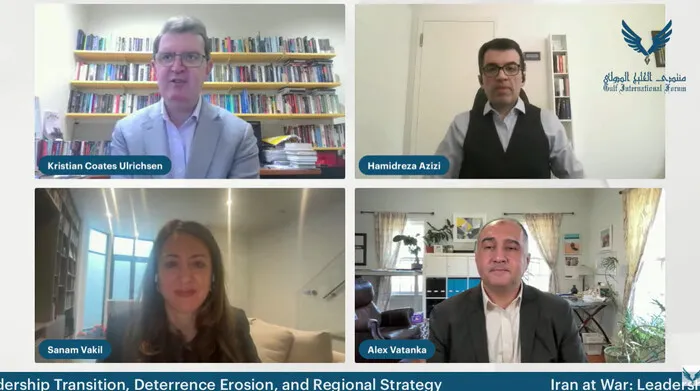
์ด๋ž€์˜ 3๋Œ€ ์ตœ๊ณ ์ง€๋„์ž๋กœ ๋ชจ์ง€ํƒ€๋ฐ” ํ•˜๋ฉ”๋„ค์ด๊ฐ€ ์„ ์ถœ๋œ ๊ฐ€์šด๋ฐ ๋ฏธ๊ตญยท์ด์Šค๋ผ์—˜๊ณผ ์ด๋ž€ ๊ฐ„ ์ „์Ÿ์ด 11์ผ์งธ๋ฅผ ๋งž์€ 10์ผ, ์ค‘๋™ ์ „๋ฌธ๊ฐ€๋“ค์€ ๋„๋„๋“œ ํŠธ๋Ÿผํ”„ ๋ฏธ๊ตญ ๋Œ€ํ†ต๋ น์˜ ์••๋ฐ•์ด ์˜คํžˆ๋ ค ์ด๋ž€์˜ โ€˜๋ฒผ๋ž‘ ๋ ์ „์ˆ โ€™์„ ์ž๊ทนํ•ด ์ „์Ÿ์ด ์žฅ๊ธฐ ์†Œ๋ชจ์ „์œผ๋กœ ์ด์–ด์งˆ ๊ฐ€๋Šฅ์„ฑ์ด ํฌ๋‹ค๊ณ  ๋ถ„์„ํ–ˆ์Šต๋‹ˆ๋‹ค.

ํŠธ๋Ÿผํ”„ โ€˜์ข…์ „โ€™ ๋งํ•˜์ง€๋งŒโ€ฆ์ „๋ฌธ๊ฐ€๋“ค โ€œ์ด๋ž€ ์ „์Ÿ, ์žฅ๊ธฐ ...

0

ไปŠๆ—ฅใฏใ‚ขใƒฌใƒซใ‚ฎใƒผๆบใฝใ„ใƒ“ใƒผใƒซใŒๅ†ทใˆใฆใ„ใ‚‹ใฎใง็‚Š้ฃฏ้–‹ๅง‹ใจๅŒๆ™‚ใซ้ฃฒใ‚“ใงใ„ใใพใ™ใญ

0

English speakers of the fedi. In a software with the interface in English, Reading a menu with verbs such as Save, Open, Close, Edit, Format etc., do you read them as imperative (an order: "do this") or as an infinitive (the "base form" of the verb, like "to do this")?

Are you a native speaker or have English as a second language?

0
16
0
0
0
0
0
0

@: ๋Ÿฌ์‹œ์•„๊ฐ€ ๋ฏธ๊ตฐ ๊ธฐ์ง€ ์ •๋ณด๋ฅผ ์ œ๊ณตํ–ˆ๋Š”๋ฐ ์ œ์žฌ๋ฅผ ์™œ ํ•ด์ œํ•˜๋ƒ๋Š” ๋ง์— ์œ„ํŠธ์ฝ”ํ”„๋Š” ํŠธ๋Ÿผํ”„๊ฐ€ ๋Ÿฌ์‹œ์•„(ํ‘ธํ‹ด)ํ•œํ…Œ ๋ฌผ์–ด๋ดค๋Š”๋ฐ ์ž๊ธฐ๋“ค์€ ์•ˆํ–ˆ๋‹ค๊ณ  ํ•œ๋‹ค. ์šฐ๋ฆฌ๋Š” ๊ทธ๋“ค์˜ ๋ง์„ ๋ฏฟ๋Š”๋‹ค. ๋ผ๊ณ  ๋‹ต๋ณ€ํ•ด ๋…ผ๋ž€

RE: https://bsky.app/profile/did:plc:4llrhdclvdlmmynkwsmg5tdc/post/3mgpzmmtfuh2j

0
0
1
0
13
0

๊ฐ•ํ˜ธ๋™ ๋†ํ˜‘ํšŒ์žฅ, ํšก๋ นยท๊ธˆํ’ˆ์ˆ˜์ˆ˜ ์ •ํ™ฉ...๊ฐ„๋ถ€๋“ค๋„ ๋ฌด๋”๊ธฐ ๋น„๋ฆฌ / YTN

youtube.com/watch?v=K7hAoSs14H4

๋†ํ˜‘์€ ์˜ˆ๋‚˜ ์ง€๊ธˆ์ด๋‚˜ ์—‰ํ„ฐ๋ฆฌ๊ตฌ๋‚˜

0
0
0
1
0
0

่จ˜ไบ‹ใ‚’ๆŠ•็จฟใ—ใพใ—ใŸใ€‚

ใŠใฃใฑใ„ใฎๅคงใใ•ใฏไธญๅญฆ็”Ÿใพใงใซๆฑบใพใ‚‹ใจใ„ใ†ไฟ—่ชฌใ‚’ๆคœ่จผใ™ใ‚‹
note.com/heislandmine/n/n38442

ใŠใฃใฑใ„ใฎๅคงใใ•ใฏไธญๅญฆ็”Ÿใพใงใซๆฑบใพใ‚‹ใจใ„ใ†ไฟ—่ชฌใ‚’ๆคœ่จผใ™ใ‚‹๏ฝœใŒใใ‹ใ‚“ใ›ใคใ—ใ‚‡ใ†

ๆ—ฅๆœฌใฎใ”ใไธ€้ƒจใฎ็•Œ้šˆใซใŠใ„ใฆๅฅณๆ€งใฎใŠใฃใฑใ„ใฎๅคงใใ•ใฏไธญๅญฆ็”Ÿใพใงใงๆฑบใพใ‚‹ใจใ„ใ†ไฟ—่ชฌใ‚’ไธ€ๅบฆใฏ่€ณใซใ—ใŸใ“ใจใŒใ‚ใ‚‹ไบบใ‚‚ๅคšใ„ใฎใงใฏใชใ„ใงใ—ใ‚‡ใ†ใ‹?(็งใ ใ‘?) ไปŠๅ›žใฏใ“ใฎไฟ—่ชฌใ‚’ใƒ‡ใƒผใ‚ฟใ‚’็”จใ„ใฆๆคœ่จผใ—ใฆใฟใŸใ„ใจๆ€ใ„ใพใ™ใ€‚ ไปฎ่ชฌ ไธญๅญฆ็”ŸใพใงใซใŠใฃใฑใ„ใฎๅคงใใ•ใŒๆฑบใพใ‚‹ใฎใงใ‚ใ‚Œใฐใ€้ซ˜ๆ ก็”Ÿใฎ้–“ใฏใŠใฃใฑใ„ใฏๆˆ้•ทใ—ใชใ„ใฏใšใ ใจใ„ใ†ไบˆๆƒณใ‚’ๅ…ƒใซใ€้ซ˜ๆ ก็”ŸใฎใŠใฃใฑใ„ใฎๅคงใใ•ใจ20ไปฃๅฅณๆ€งใฎใŠใฃใฑใ„ใฎๅคงใใ•ใฏๅคงใใๅค‰ใ‚ใ‚‰ใชใ„ใฎใงใฏ๏ผŸใจใ„ใ†ไปฎ่ชฌใ‚’็ซ‹ใฆใพใ—ใŸใ€‚ ไฝฟ็”จใ—ใŸใƒ‡ใƒผใ‚ฟ ๆฎ‹ๅฟตใชใŒใ‚‰ๅ›ฝๅ†…ใซ็„กๆ–™ใฎ็ฏ„ๅ›ฒใงไฝฟ็”จใงใใ‚‹ไบบไฝ“ๅฏธๆณ•ใƒ‡ใƒผใ‚ฟใฏใปใผใ‚ใ‚Šใพใ›ใ‚“ใ€‚ ่ชฟในใŸใจใ“ใ‚้Ÿ“ๅ›ฝใงใฏsize koreaใจใ„ใ†ๅคง่ฆๆจกใชไบบไฝ“ๅฏธๆณ•่ชฟๆŸปใŒๅฎš

note.com ยท note๏ผˆใƒŽใƒผใƒˆ๏ผ‰

0
0
0

๊ทผ๋ฐ ์š”์ƒˆ ์†Œํ”„ํŠธ์›จ์–ด ๊ธฐ์—…๋“ค ์ฃผ๊ฐ€ ๋–จ์–ด์ง€๋Š”๊ฒƒ ๋ณด๋ฉด ์ข€ ์›ƒํ”” ์‚ฌ์‹ค AGI๊ฐ€ ์ ์  ๊ฐ€๊นŒ์›Œ์ง€๋‹ˆ ์†Œํ”„ํŠธ์›จ์–ด ๊ฐœ๋ฐœ ๋น„์šฉ์ด ํฌ๊ฒŒ ํ•˜๋ฝํ•˜๋Š”๊ฒƒ ๊ฐ™์œผ๋‹ˆ ์—ญ์„ค์ ์œผ๋กœ ๊ทธ๋™์•ˆ ๊ฐ์ข… ํ…Œํฌ ๊ธฐ์—…๋“ค์ด ๋งŒ๋“  ํ•ด์ž ์ž์ฒด๊ฐ€ ๋ฌด๋„ˆ์ง€๋Š” ํ˜„์ƒ์ด ๋ฐœ์ƒํ•˜๊ณ  ์žˆ์œผ๋ฏ€๋กœ... ์–ด์ฐŒ๋ณด๋ฉด ์—…๋ณด๋น” ๋งž๊ณ  ์Šค์Šค๋กœ ๋ฌด๋„ˆ์ง€๋Š” ๋А๋‚Œ;; ์ฆ‰ ์•ž์œผ๋กœ๋Š” ๋ชจ๋ธ์„ ์Šค์Šค๋กœ ๊ฐœ๋ฐœํ•˜๊ณ  ๋ณ€๊ฒฝ ๋ฐ ์šด์˜๊ฐ€๋Šฅํ•œ ํšŒ์‚ฌ์™€ ๊ทธ๋ ‡์ง€ ๋ชปํ•œ ํšŒ์‚ฌ๋กœ ๋‚˜๋‰ ๊ฒƒ ๊ฐ™์Šต๋‹ˆ๋‹ค ์ „์ž๊ฐ€ ๋ˆ์„ ์“ธ์–ด๋‹ด๊ฒ ์ง€ ์‹ถ๊ณ ... ํ›„์ž๋Š” ๋งํ•˜๊ฑฐ๋‚˜ ์™„์ „ ๋ ˆ๋“œ์˜ค์…˜์ผ๋“ฏ.

0

๋‚˜๋„ ์–ด์ œ ์ € ์ƒ๊ฐํ–ˆ๋Š”๋ฐ ์ด๋ฏธ ์–ธ์–ด๋ชจ๋ธ ์š”์ƒˆ ๋‚˜์˜ค๋Š”๊ฑฐ๋ณด๋ฉด AGI(?)์— ๋„๋‹ฌํ•ด์žˆ์ง€๋งŒ ๋ฉ”๋ชจ๋ฆฌ ๊ตฌ์กฐ์˜ ํ•œ๊ณ„์™€ ์—…๋ฐ์ดํŠธ๊ฐ€ ํž˜๋“  ๊ด€๊ณ„๋กœ ์ œํ•œ์ ์œผ๋กœ ์“ฐ์ธ๋‹ค๊ณ  ์ƒ๊ฐํ•จ ๊ทธ๋ฆฌ๊ณ  ์ด๋Ÿฐ ๋ฌธ์ œ๊ฐ€ ํ•ด๊ฒฐ๋˜๋ฉด ์•„๋งˆ ์ง์—…์ด ์Šฌ๊ทธ๋จธ๋‹ˆ ์‚ฌ๋ผ์ง€๊ธดํ• ํ…๋ฐ ์•„์ง์€ ์•„๋‹ˆ๊ณ ์š”... ๋‹ค๋งŒ 10๋…„๋‚ด์—๋Š” ๋˜์ง€ ์•Š์„๊นŒ ์˜ˆ์ƒํ•ด๋ด…๋‹ˆ๋‹ค.

0
0

โ€œOur work demonstrates that ๐‘ƒโ„Ž๐‘œ๐‘ก๐‘œ๐ท๐‘๐ด is unreliable for the detection of illicit content: it is easy to incriminate someone by sending them false content with a hash value close to illicit content (a false positive) and to avoid detection of illicit content with minimal modifications to an image (a false negative)โ€

eprint.iacr.org/2026/486

IACR logo

White-Box Attacks on PhotoDNA Perceptual Hash Function

๐‘ƒโ„Ž๐‘œ๐‘ก๐‘œ๐ท๐‘๐ด is a widely deployed perceptual hash function used for the detection of illicit content such as Child Sexual Abuse Material (CSAM). This paper presents the first mathematical description of ๐ด๐‘™๐‘™๐‘’๐‘”๐‘’๐‘‘ ๐‘ƒโ„Ž๐‘œ๐‘ก๐‘œ๐ท๐‘๐ด, a new function which has identical outputs to that of ๐‘ƒโ„Ž๐‘œ๐‘ก๐‘œ๐ท๐‘๐ด for a large database of test images. From this description, several design weaknesses are identified: the algorithm is piece-wise linear and differentiable, the hash value only depends on the sum of the RGB values of each pixel, and it is trivial to find images with hash value equal to all zeroes. The paper further demonstrates that gradient-based optimization techniques and quadratic programming can exploit the mathematical weaknesses of ๐ด๐‘™๐‘™๐‘’๐‘”๐‘’๐‘‘ ๐‘ƒโ„Ž๐‘œ๐‘ก๐‘œ๐ท๐‘๐ด and ๐‘ƒโ„Ž๐‘œ๐‘ก๐‘œ๐ท๐‘๐ด to produce visually appealing exact collisions and second preimages; for near-collisions and near-second-preimages the image quality can be further improved. The same techniques can be used to recover the rough shapes of an image from its hash value, disproving the claim from the designer that ๐‘ƒโ„Ž๐‘œ๐‘ก๐‘œ๐ท๐‘๐ด is irreversible. Finally, it is also shown that it is easy to produce high-quality perceptually identical images with a hash value that is far from the original image allowing to avoid detection. We have implemented our attacks on a large set of varied images and we have tested them on both ๐ด๐‘™๐‘™๐‘’๐‘”๐‘’๐‘‘ ๐‘ƒโ„Ž๐‘œ๐‘ก๐‘œ๐ท๐‘๐ด and ๐‘ƒโ„Ž๐‘œ๐‘ก๐‘œ๐ท๐‘๐ด. Our attacks have success rates close or equal to 100% and run in seconds or minutes on a personal laptop; they present a substantial improvement over earlier work that requires hours on parallel machines and that results only in near-collisions. We believe that with additional optimization of the parameters, the image quality and/or the attack performance can be further improved. Our work demonstrates that ๐‘ƒโ„Ž๐‘œ๐‘ก๐‘œ๐ท๐‘๐ด is unreliable for the detection of illicit content: it is easy to incriminate someone by sending them false content with a hash value close to illicit content (a false positive) and to avoid detection of illicit content with minimal modifications to an image (a false negative). False positives and leakage of information are particularly problematic in a Client Side Scanning (CSS) scenario as envisaged by several countries, where large hash databases would be stored on every user device and billions of images would be hashed with ๐‘ƒโ„Ž๐‘œ๐‘ก๐‘œ๐ท๐‘๐ด every day. Overall, our research cast serious doubts on the suitability of ๐‘ƒโ„Ž๐‘œ๐‘ก๐‘œ๐ท๐‘๐ดfor the large-scale detection of illicit content.

eprint.iacr.org ยท IACR Cryptology ePrint Archive

0
0
2
0
0
1
0
0
0