What is Hackers' Pub?

Hackers' Pub is a place for software engineers to share their knowledge and experience with each other. It's also an ActivityPub-enabled social network, so you can follow your favorite hackers in the fediverse and get their latest posts in your feed.


0
0
0
1

미래가 내게로 온다는 말 너무 낭만적이지 않나요 미래는 언제나 나를 향해 달려오고 있는 거라고요 포기하지도 않고 지치지도 않고 언제나 꾸준하게도 말이에요
이건 사랑이라고 봐도 되지 않을까요

1
0
1

회사에 이란인 직원이 있는데 이분이 멀리서 사셔서 자주 나오진 않는데 오늘 나와서 (내가 물어본건 아니고 다른 분이 물어봐서 옆에서 듣게 된것인데) 이분 가족이 이란에서 어떻게 지내는지 직접 들을 기회가 있었음; 이분 눈이 근데 퀭한것이 안타깝긴했음 예전엔 안그랬는데 흠; 이란 문제땜시 그런것인지 아닌지 알수는 없지만;; 지금 모든 나라들 대사관이 다 문을 닫아서 가족을 해외로 도피시키는것도 안된다고 하더라고 허허... 미국이 그냥 빨리 폭격해서 갈아엎는것이 낫지 않냐 그런 의견도 많다고 함 본인도 그렇게 이야기하고 답이 없다고.

0
0

회사에 이란인 직원이 있는데 이분이 멀리서 사셔서 자주 나오진 않는데 오늘 나와서 내가 물어본건 아니고 다른 사람들이 이분 가족이 이란에서 어떻게 지내는지 직접 들을 기회가 있었는데 ... 사람 눈이 퀭한것이 안타깝긴했음 이란 문제땜시 그런것인지 아닌지 알수는 없지만 하여간 지금 모든 나라들 대사관이 다 문을 닫아서 가족을 해외로 도피시키는것도 안된다고 하더라고 허허...

0

아니 이 씨발 남편이란 작자는 지 서버에 이상한 소리 올라가는 게 하루이틀도 아닌데 씨발 지랑 결혼해서 매일 섹스하는 사이한테 왜 뭘 지우라 마라 지랄이야 너 처음에 캐츠워즈 방침 안 그랬잖아, 쓰레기 새끼야 모더를 씨발 개인 휴대전화 번호 안다고 직통으로 박아 이 미친 새끼야 아오!!!!!!

0
0

Two of the most important lessons I learned in grad school:

1) you can register anything you want as a fictitious business name and get an official looking logo and letterhead and credit card

2) if a conference rejects your paper, your business can book the next conference room over at the same hotel and hold your own workshop and present your paper anyway

0
3
0
1

Good morning. It's 6AM, Wednesday, 25th February. The headlines: In a lengthy State of the Union address, former President highlighted tariffs, immigration, and . He praised his economic policies and defended his stance on tariffs. Several Democrats skipped the speech. Governor Spanberger provided the Democratic rebuttal.

0
0

어제 에바 팬 선배를 만나서,

저는 이제 에바에 대해서는 관심이 없고, 더 할 이야기도, 보고 싶은 내용도 없으며 뭐가 들리든 그러려니 한다,

했더니 네 놈이 어떻게 그럴 수 있어! 라는 반응을 보이셨다. 🤣😇

하지만 안노가 답을 찾고 자리 잡은 이상 에바는 끝난 거죠... 다른 사람이 재해석이든 외전이든 리부트든 만들어봤자 그건 에바 스킨일 뿐이지.; 에바가 스킨으로 써먹기에 좋은 디자인도 아니고.

0
0
0
24
0
0
0

네이쳐에서 트럼프 정권 1년 동안 미국 학계가 얼마나 위축되었는지 인포그래픽 공개. 연구기관에서 25000명이 해고 되었고 앞으로도 46조원의 예산 삭감 계획 www.nature.com/immersive/d4...

US science after a year of Tru...

0

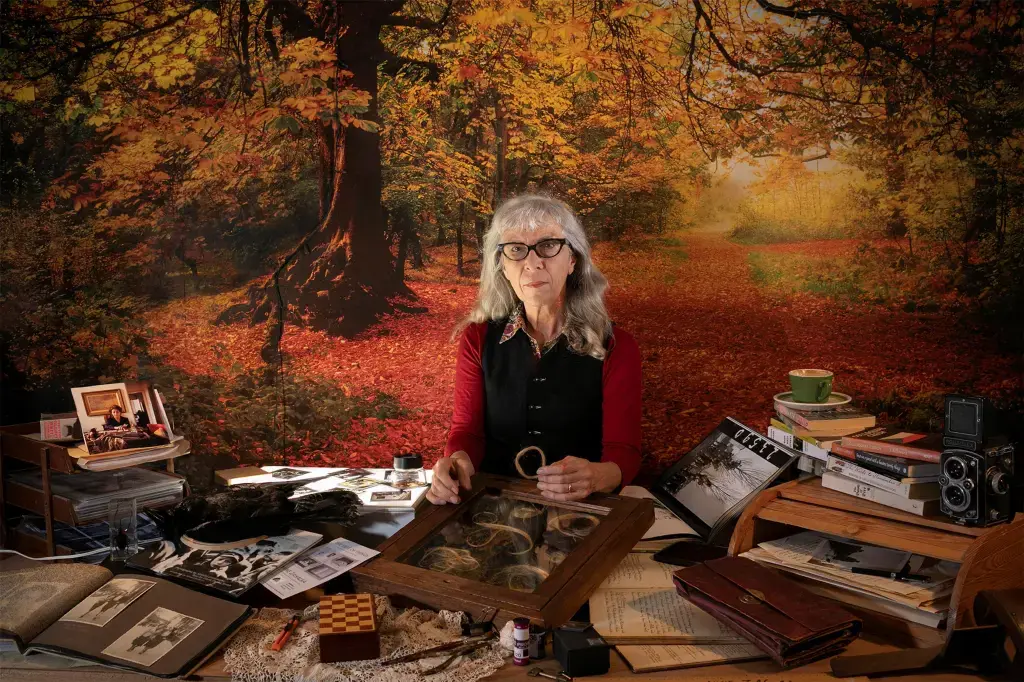
Zahalkaworld: an artist’s archive – in pictures

The Artist (self portrait) 1988 from the series Resemblance II

Through her work, Anne Zahalka offers a critical analysis of cultural and environmental tensions, often using humour and playfulness as a tool for examination. Zahalka employs photography, painting and photomontage combined with darkroom techniques, later adopting digital methodologies.


Anne Zahalka at work at home.
0

Zahalkaworld: an artist’s archive – in pictures

The Artist (self portrait) 1988 from the series Resemblance II

Through her work, Anne Zahalka offers a critical analysis of cultural and environmental tensions, often using humour and playfulness as a tool for examination. Zahalka employs photography, painting and photomontage combined with darkroom techniques, later adopting digital methodologies.


Anne Zahalka at work at home.
0

You are on Bondi Bidjigal land! 2020 from the series You are here!

‘Anne Zahalka’s photographs have become iconic and represent key moments in Australia’s history. Her practice has persistently challenged and questioned the status quo for more than 40 years, which has included interrogating Australia’s national and cultural identity, addressing pressing issues such as the climate emergency’ – Anouska Phizacklea, director and curator of Zahalkaworld.


You are on Bondi Bidjigal land! 2020 from the series You are here!

 In You are on Bondi Bidjigal land!, Zahalka uses digital compositing to immerse the viewer in a landscape choked by the hazy, orange smoke of the 2019–2020 bushfires. Crucially, the foreground of the cliff features ancient First Nations rock engravings—stylized renderings of fish and a whale. These carvings provide the physical evidence for the Bidjigal land claim, grounding the ecological catastrophe within a broader context of traditional ownership and the ongoing displacement of Indigenous sovereignty.
0

You are on Bondi Bidjigal land! 2020 from the series You are here!

‘Anne Zahalka’s photographs have become iconic and represent key moments in Australia’s history. Her practice has persistently challenged and questioned the status quo for more than 40 years, which has included interrogating Australia’s national and cultural identity, addressing pressing issues such as the climate emergency’ – Anouska Phizacklea, director and curator of Zahalkaworld.


You are on Bondi Bidjigal land! 2020 from the series You are here!

 In You are on Bondi Bidjigal land!, Zahalka uses digital compositing to immerse the viewer in a landscape choked by the hazy, orange smoke of the 2019–2020 bushfires. Crucially, the foreground of the cliff features ancient First Nations rock engravings—stylized renderings of fish and a whale. These carvings provide the physical evidence for the Bidjigal land claim, grounding the ecological catastrophe within a broader context of traditional ownership and the ongoing displacement of Indigenous sovereignty.

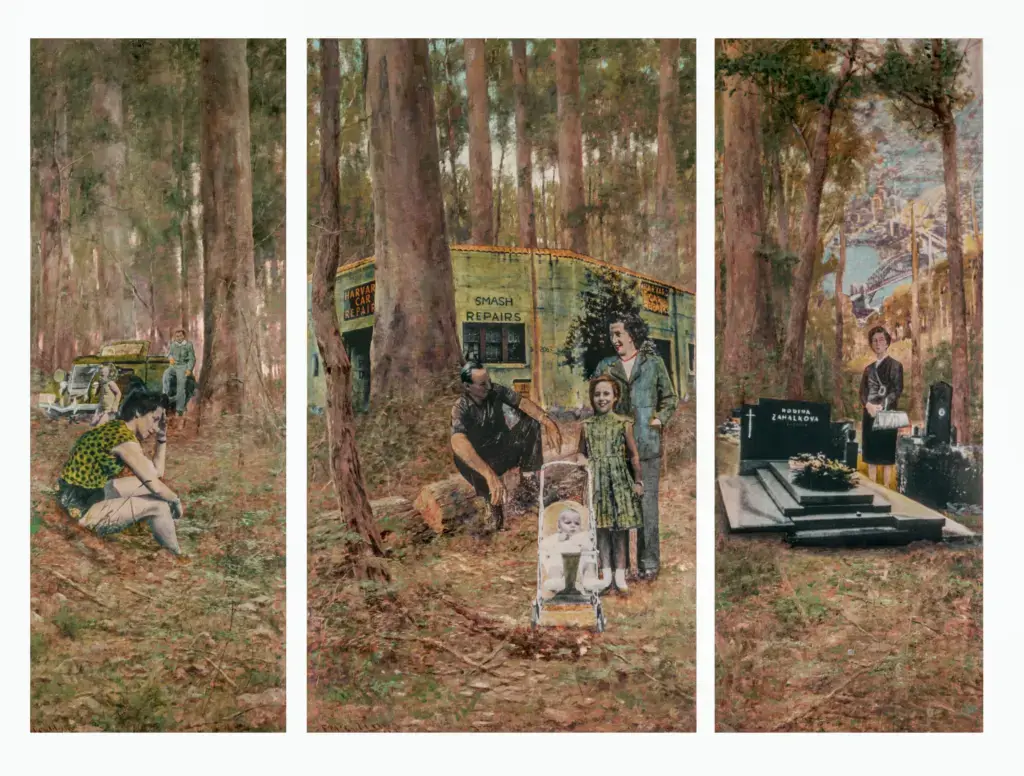
The Immigrants #2 1983 from the series The Landscape Re-presented

The Immigrants reworks a reproduction of Frederick McCubbin’s The Pioneer (1904) by collaging photos of herself and her family – post-WWII refugees – over the original Australian pioneer figures. This intervention questions her family’s place within the then predominantly Anglo-Celtic demographic and implants her family’s immigrant story on to the Australian landscape.


The Immigrants #2 1983 from the series The Landscape Re-presented.

This work constitutes a profound intervention into Frederick McCubbin’s The Pioneer (1904). While McCubbin’s triptych romanticizes Anglo-Celtic settlement, Zahalka "implants" her own family of post-WWII refugees into the frame. The visual juxtaposition is startling: in the central panel, the romanticized pioneer cottage is replaced by a prosaic, olive-drab "Smash Repairs" workshop, grounding the immigrant experience in industrial labor rather than pastoral idealism. In the right panel, the man crouching over a grave is replaced by a figure standing before a polished black headstone inscribed with "Rodina Zahalkova" (Zahalka Family). This intervention asserts an immigrant history of mourning and belonging within the "sacred" space of the Australian bush.
0

The Immigrants #2 1983 from the series The Landscape Re-presented

The Immigrants reworks a reproduction of Frederick McCubbin’s The Pioneer (1904) by collaging photos of herself and her family – post-WWII refugees – over the original Australian pioneer figures. This intervention questions her family’s place within the then predominantly Anglo-Celtic demographic and implants her family’s immigrant story on to the Australian landscape.


The Immigrants #2 1983 from the series The Landscape Re-presented.

This work constitutes a profound intervention into Frederick McCubbin’s The Pioneer (1904). While McCubbin’s triptych romanticizes Anglo-Celtic settlement, Zahalka "implants" her own family of post-WWII refugees into the frame. The visual juxtaposition is startling: in the central panel, the romanticized pioneer cottage is replaced by a prosaic, olive-drab "Smash Repairs" workshop, grounding the immigrant experience in industrial labor rather than pastoral idealism. In the right panel, the man crouching over a grave is replaced by a figure standing before a polished black headstone inscribed with "Rodina Zahalkova" (Zahalka Family). This intervention asserts an immigrant history of mourning and belonging within the "sacred" space of the Australian bush.
0
0

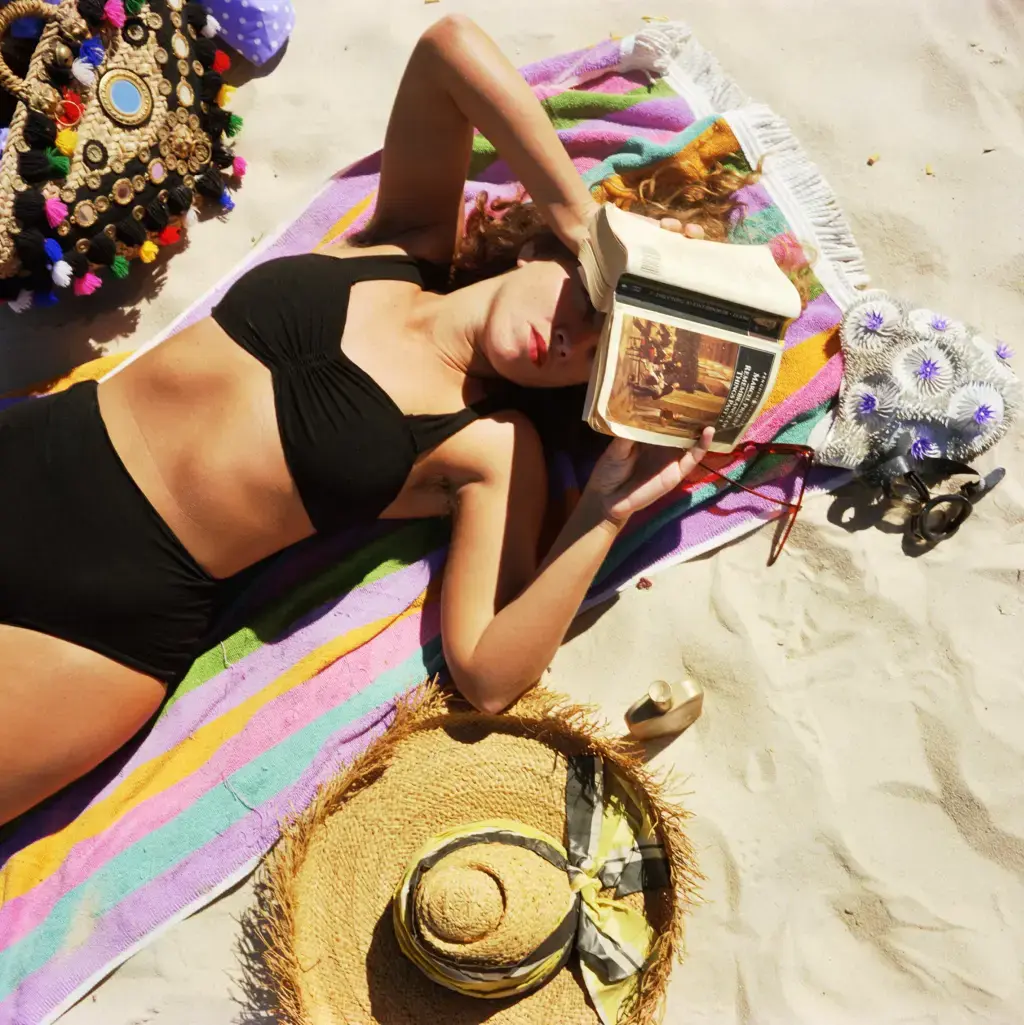
Australians circa 1989

The Bathers 1989 from the series Bondi: playground of the Pacific

One of her most celebrated works, The Bathers focuses on Bondi and pays direct homage to Charles Meere’s 1940 painting Australian Beach Pattern. This iteration playfully updates the original image featuring postwar migrant families who assert their right to the essential Australian pleasures of the sun, surf and sand.


The Bathers 1989 from the series Bondi: playground of the Pacific.

Zahalka updates Charles Meere’s (1940)  heroic, statuesque figures with postwar migrant families.
0

Australians circa 1989

The Bathers 1989 from the series Bondi: playground of the Pacific

One of her most celebrated works, The Bathers focuses on Bondi and pays direct homage to Charles Meere’s 1940 painting Australian Beach Pattern. This iteration playfully updates the original image featuring postwar migrant families who assert their right to the essential Australian pleasures of the sun, surf and sand.


The Bathers 1989 from the series Bondi: playground of the Pacific.

Zahalka updates Charles Meere’s (1940)  heroic, statuesque figures with postwar migrant families.
0
0
0

The Immigrants #2 1983 from the series The Landscape Re-presented

The Immigrants reworks a reproduction of Frederick McCubbin’s The Pioneer (1904) by collaging photos of herself and her family – post-WWII refugees – over the original Australian pioneer figures. This intervention questions her family’s place within the then predominantly Anglo-Celtic demographic and implants her family’s immigrant story on to the Australian landscape.


The Immigrants #2 1983 from the series The Landscape Re-presented.

This work constitutes a profound intervention into Frederick McCubbin’s The Pioneer (1904). While McCubbin’s triptych romanticizes Anglo-Celtic settlement, Zahalka "implants" her own family of post-WWII refugees into the frame. The visual juxtaposition is startling: in the central panel, the romanticized pioneer cottage is replaced by a prosaic, olive-drab "Smash Repairs" workshop, grounding the immigrant experience in industrial labor rather than pastoral idealism. In the right panel, the man crouching over a grave is replaced by a figure standing before a polished black headstone inscribed with "Rodina Zahalkova" (Zahalka Family). This intervention asserts an immigrant history of mourning and belonging within the "sacred" space of the Australian bush.
0
0
0
20
0
0
0
0
0
0
0
0
0
0

Since its genocidal war on Gaza began in October 2023, Israel has expended vast amounts of money and manpower on levelling the Palestinian territory and destroying its institutions.

It has killed more than 72,000 people in achieving this end, including tens of thousands of children and women — with some independent researchers suggesting that the death toll is higher than 75,000.

Simon Speakman Cordall

aljazeera.com/news/2026/2/19/t


A mother is embracing her crying daughter.
0
1
0
0
0
0