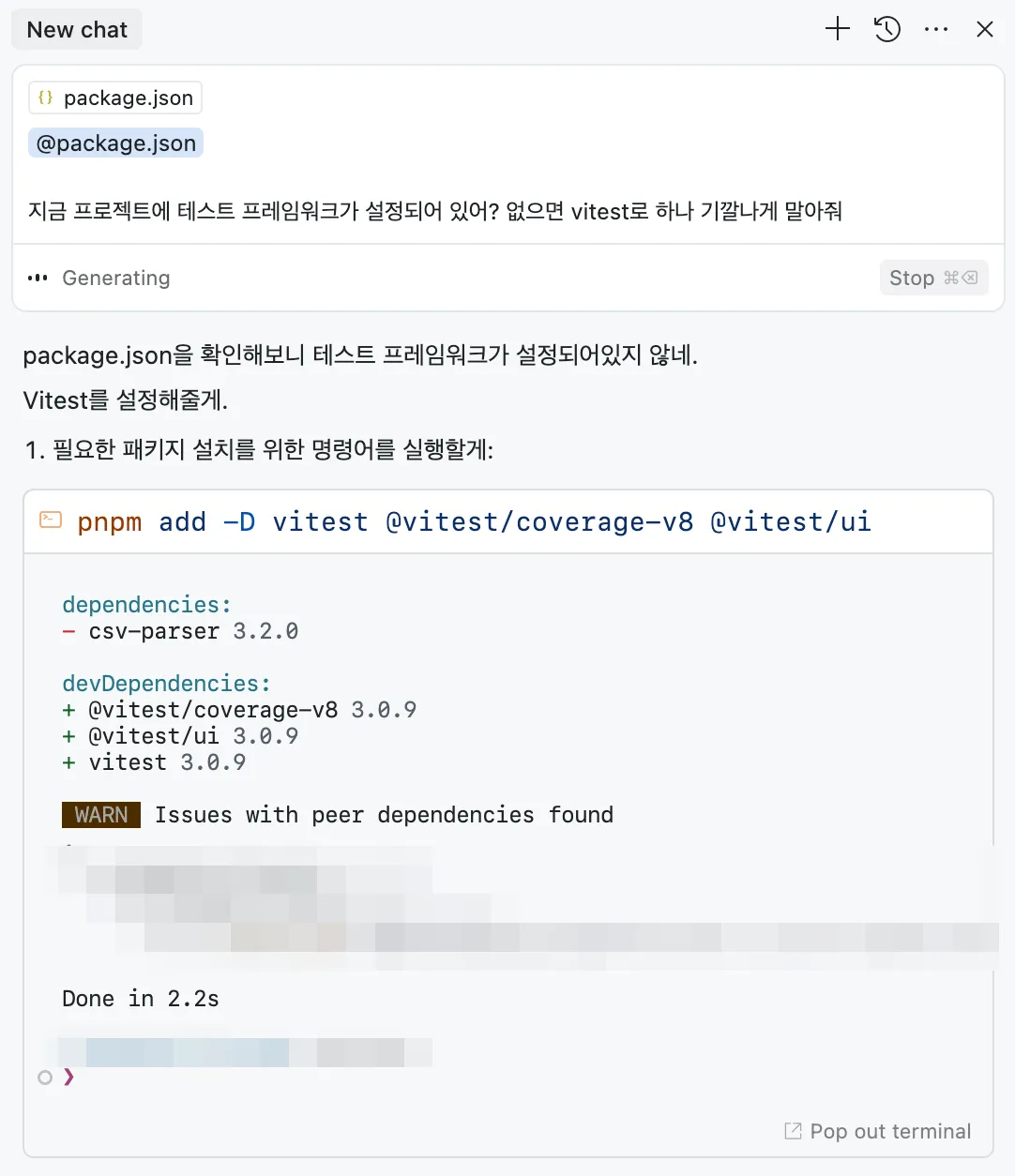
https://github.com/dahlia/hackerspub/pull/12
해커스펍의 멘션 기능에 가독성 개선이 필요할 것 같아서 제안하는 느낌으로 PR은 올렸는데, 다른 분들도 어떤 의견을 가지고 계실지 모르겠다

@hongminhee@hackers.pub · 1036 following · 732 followers
Hi, I'm who's behind Fedify, Hollo, BotKit, and this website, Hackers' Pub! My main account is at  @hongminhee洪 民憙 (Hong Minhee)
  .
.
Fedify, Hollo, BotKit, 그리고 보고 계신 이 사이트 Hackers' Pub을 만들고 있습니다. 제 메인 계정은: @hongminhee洪 民憙 (Hong Minhee) .
Fedify、Hollo、BotKit、そしてこのサイト、Hackers' Pubを作っています。私のメインアカウントは「@hongminhee洪 民憙 (Hong Minhee) 」に。
 Website
 GitHub
 Hollo
Hollo DEV
DEV velog
velog Qiita
Qiita Zenn
Zenn Matrix
 X
Xhttps://github.com/dahlia/hackerspub/pull/12
해커스펍의 멘션 기능에 가독성 개선이 필요할 것 같아서 제안하는 느낌으로 PR은 올렸는데, 다른 분들도 어떤 의견을 가지고 계실지 모르겠다
 유루메 Yurume replied to the below article:
洪 民憙 (Hong Minhee) @hongminhee@hackers.pub
Despite their bad reputation in the Java community, checked exceptions provide superior type safety comparable to Rust's Result<T, E> or Haskell's Either a b—we've been dismissing one of Java's best features all along.
Few features in Java have been as consistently criticized as checked exceptions. Modern Java libraries and frameworks often go to great lengths to avoid them. Newer JVM languages like Kotlin have abandoned them entirely. Many experienced Java developers consider them a design mistake.
But what if this conventional wisdom is wrong? What if checked exceptions represent one of Java's most forward-thinking features?
In this post, I'll argue that Java's checked exceptions were ahead of their time, offering many of the same type safety benefits that are now celebrated in languages like Rust and Haskell. Rather than abandoning this feature, we should consider how to improve it to work better with modern Java's features.
To set the stage, let's review how Java's exception system works:
Unchecked exceptions (subclasses of RuntimeException or Error): These don't need to be declared or caught. They typically represent programming errors (NullPointerException, IndexOutOfBoundsException) or unrecoverable conditions (OutOfMemoryError).
Checked exceptions (subclasses of Exception but not RuntimeException): These must either be caught with try/catch blocks or declared in the method signature with throws. They represent recoverable conditions that are outside the normal flow of execution (IOException, SQLException).
Here's how this works in practice:
// Checked exception - compiler forces you to handle or declare it
public void readFile(String path) throws IOException {
    Files.readAllLines(Path.of(path));
}

// Unchecked exception - no compiler enforcement
public void processArray(int[] array) {
    int value = array[array.length + 1]; // May throw ArrayIndexOutOfBoundsException
}At their core, checked exceptions are a way of encoding potential failure modes into the type system via method signatures. This makes certain failure cases part of the API contract, forcing client code to explicitly handle these cases.
Consider this method signature:
public byte[] readFileContents(String filePath) throws IOExceptionThe throws IOException clause tells us something critical: this method might fail in ways related to IO operations. The compiler ensures you can't simply ignore this fact. You must either:
This type-level representation of potential failures aligns perfectly with principles of modern type-safe programming.
One often overlooked advantage of Java's checked exceptions is their automatic propagation. Once you declare a method as throws IOException, any exception that occurs is automatically propagated to the caller without additional syntax.
Compare this with Rust, where you must use the ? operator every time you call a function that returns a Result:
// Rust requires explicit propagation with ? for each call
fn read_and_process(path: &str) -> Result<(), std::io::Error> {
    let content = std::fs::read_to_string(path)?;
    process_content(&content)?;
    Ok(())
}

// Java automatically propagates exceptions once declared
void readAndProcess(String path) throws IOException {
    String content = Files.readString(Path.of(path));
    processContent(content); // If this throws IOException, it's automatically propagated
}
In complex methods with many potential failure points, Java's approach leads to cleaner code by eliminating the need for repetitive error propagation markers.
The approach of encoding failure possibilities in the type system has been adopted by many modern languages, most notably Rust with its Result<T, E> type and Haskell with its Either a b type.
In Rust:
fn read_file_contents(file_path: &str) -> Result<Vec<u8>, std::io::Error> {
    std::fs::read(file_path)
}
When calling this function, you can't just ignore the potential for errors—you need to handle both the success case and the error case, often using the ? operator or pattern matching.
In Haskell:
readFileContents :: FilePath -> IO (Either IOException ByteString)
readFileContents path = try $ BS.readFile path
Again, the caller must explicitly deal with both possible outcomes.
This is fundamentally the same insight that motivated Java's checked exceptions: make failure handling explicit in the type system.
If checked exceptions are conceptually similar to these widely-praised error handling mechanisms, why have they fallen out of favor? There are several legitimate criticisms:
The most common complaint is the boilerplate required when propagating exceptions up the call stack:
void methodA() throws IOException {
    methodB();
}

void methodB() throws IOException {
    methodC();
}

void methodC() throws IOException {
    // Actual code that might throw IOException
}
Every method in the chain must declare the same exception, creating repetitive code. While automatic propagation works well within a method, the explicit declaration in method signatures creates overhead.
Java 8 introduced lambdas and streams, but checked exceptions don't play well with them:
// Won't compile because map doesn't expect functions that throw checked exceptions
List<String> fileContents = filePaths.stream()
    .map(path -> Files.readString(Path.of(path))) // Throws IOException
    .collect(Collectors.toList());
This forces developers to use awkward workarounds:
List<String> fileContents = filePaths.stream()
    .map(path -> {
        try {
            return Files.readString(Path.of(path));
        } catch (IOException e) {
            throw new UncheckedIOException(e); // Wrap in an unchecked exception
        }
    })
.collect(Collectors.toList());Adding a checked exception to an existing method breaks all implementing classes and calling code. This makes evolving interfaces over time difficult, especially for widely-used libraries and frameworks.
The strictness of checked exceptions can lead to the worst possible outcome—developers simply catching and ignoring exceptions to make the compiler happy:
try {
    // Code that might throw
} catch (Exception e) {
    // Do nothing or just log
}
This is worse than having no exception checking at all because it provides a false sense of security.
Rather than abandoning checked exceptions entirely, Java could enhance the existing system to address these legitimate concerns. Here are some potential improvements that preserve the type safety benefits while addressing the practical problems:
One of the biggest pain points with checked exceptions today is their incompatibility with functional interfaces. Consider how much cleaner this would be:
// Current approach - forced to handle or wrap exceptions inline
List<String> contents = filePaths.stream()
    .map(path -> {
        try {
            return Files.readString(Path.of(path));
        } catch (IOException e) {
            throw new RuntimeException(e);
        }
    })
    .collect(Collectors.toList());

// Potential future approach - lambdas can declare exceptions
List<String> contents = filePaths.stream()
    .map((String path) throws IOException -> Files.readString(Path.of(path)))
    .collect(Collectors.toList());
This would require updating functional interfaces to support exception declarations:
@FunctionalInterface
public interface Function<T, R, E extends Exception> {
    R apply(T t) throws E;
}Another powerful enhancement would be allowing generic type parameters in throws clauses:
public <E extends Exception> void processWithException(Supplier<Void, E> supplier) throws E {
    supplier.get();
}
This would enable much more flexible composition of methods that work with different exception types, bringing some of the flexibility of Rust's Result<T, E> to Java's existing exception system.
Unlike Rust which requires the ? operator for error propagation, Java already automatically propagates checked exceptions when declared in the method signature. What Java needs instead is better support for checked exceptions in functional contexts:
// Current approach for handling exceptions in streams
List<String> contents = filePaths.stream()
    .map(path -> {
        try {
            return Files.readString(Path.of(path));
        } catch (IOException e) {
            throw new RuntimeException(e); // Lose type information
        }
    })
    .collect(Collectors.toList());

// Hypothetical improved API
List<String> contents = filePaths.stream()
    .mapThrowing(path -> Files.readString(Path.of(path))) // Preserves checked exception
    .onException(IOException.class, e -> logError(e))
.collect(Collectors.toList());Optional<T> and Stream<T> APIs The standard library could be enhanced to better support operations that might throw checked exceptions:
// Hypothetical API
Optional<String> content = Optional.ofThrowable(() -> Files.readString(Path.of("file.txt")));
content.ifPresentOrElse(
    this::processContent,
    exception -> log.error("Failed to read file", exception)
);It's worth examining how other languages have addressed the error handling problem:
Result<T, E> and ? operator Rust's approach using Result<T, E> and the ? operator shows how propagation can be made concise while keeping the type safety benefits. The ? operator automatically unwraps a successful result or returns the error to the caller, making propagation more elegant.
However, Rust's approach requires explicit propagation at each step, which can be more verbose than Java's automatic propagation in certain scenarios.
Kotlin made all exceptions unchecked but provides functional constructs like runCatching that bring back some type safety in a more modern way:
val result = runCatching {
    Files.readString(Path.of("file.txt"))
}

result.fold(
    onSuccess = { content -> processContent(content) },
    onFailure = { exception -> log.error("Failed to read file", exception) }
)
This approach works well with Kotlin's functional programming paradigm but lacks compile-time enforcement.
Try[T], Either[A, B], and Effect Systems Scala offers Try[T], Either[A, B], and various effect systems that encode errors in the type system while integrating well with functional programming:
import scala.util.Try

val fileContent: Try[String] = Try {
  Source.fromFile("file.txt").mkString
}

fileContent match {
  case Success(content) => processContent(content)
  case Failure(exception) => log.error("Failed to read file", exception)
}
This approach preserves type safety while fitting well with Scala's functional paradigm.
Java's checked exceptions were a pioneering attempt to bring type safety to error handling. While the implementation has shortcomings, the core concept aligns with modern type-safe approaches to error handling in languages like Rust and Haskell.
Copying Rust's Result<T, E> might seem like the obvious solution, but it would represent a radical departure from Java's established paradigms. Instead, targeted enhancements to the existing checked exceptions system—like allowing lambdas to declare exceptions and supporting generic exception types—could preserve Java's unique approach while addressing its practical limitations.
The beauty of such improvements is that they'd maintain backward compatibility while making checked exceptions work seamlessly with modern Java features like lambdas and streams. They would acknowledge that the core concept of checked exceptions was sound—the problem was in the implementation details and their interaction with newer language features.
So rather than abandoning checked exceptions entirely, perhaps we should recognize them as a forward-thinking feature that was implemented before its time. As Java continues to evolve, we have an opportunity to refine this system rather than replace it.
In the meantime, next time you're tempted to disparage checked exceptions, remember: they're not just an annoying Java quirk—they're an early attempt at the same type safety paradigm that newer languages now implement with much celebration.
What do you think? Could these improvements make checked exceptions viable for modern Java development? Or is it too late to salvage this controversial feature? I'm interested in hearing your thoughts in the comments.
@hongminhee洪 民憙 (Hong Minhee) Totally agreed. The main problem with the original incarnation of Java's checked exceptions was that it was quite verbose and didn't give an easy way to compress a set of error types (because there is no typedef or such in Java). Zig-style syntax could be easily adapted to checked exceptions for the reasonable convenience.
 Emelia 👸🏻 replied to the below article:
洪 民憙 (Hong Minhee) @hongminhee@hackers.pub
Despite their bad reputation in the Java community, checked exceptions provide superior type safety comparable to Rust's Result<T, E> or Haskell's Either a b—we've been dismissing one of Java's best features all along.
Few features in Java have been as consistently criticized as checked exceptions. Modern Java libraries and frameworks often go to great lengths to avoid them. Newer JVM languages like Kotlin have abandoned them entirely. Many experienced Java developers consider them a design mistake.
But what if this conventional wisdom is wrong? What if checked exceptions represent one of Java's most forward-thinking features?
In this post, I'll argue that Java's checked exceptions were ahead of their time, offering many of the same type safety benefits that are now celebrated in languages like Rust and Haskell. Rather than abandoning this feature, we should consider how to improve it to work better with modern Java's features.
To set the stage, let's review how Java's exception system works:
Unchecked exceptions (subclasses of RuntimeException or Error): These don't need to be declared or caught. They typically represent programming errors (NullPointerException, IndexOutOfBoundsException) or unrecoverable conditions (OutOfMemoryError).
Checked exceptions (subclasses of Exception but not RuntimeException): These must either be caught with try/catch blocks or declared in the method signature with throws. They represent recoverable conditions that are outside the normal flow of execution (IOException, SQLException).
Here's how this works in practice:
// Checked exception - compiler forces you to handle or declare it
public void readFile(String path) throws IOException {
    Files.readAllLines(Path.of(path));
}

// Unchecked exception - no compiler enforcement
public void processArray(int[] array) {
    int value = array[array.length + 1]; // May throw ArrayIndexOutOfBoundsException
}At their core, checked exceptions are a way of encoding potential failure modes into the type system via method signatures. This makes certain failure cases part of the API contract, forcing client code to explicitly handle these cases.
Consider this method signature:
public byte[] readFileContents(String filePath) throws IOExceptionThe throws IOException clause tells us something critical: this method might fail in ways related to IO operations. The compiler ensures you can't simply ignore this fact. You must either:
This type-level representation of potential failures aligns perfectly with principles of modern type-safe programming.
One often overlooked advantage of Java's checked exceptions is their automatic propagation. Once you declare a method as throws IOException, any exception that occurs is automatically propagated to the caller without additional syntax.
Compare this with Rust, where you must use the ? operator every time you call a function that returns a Result:
// Rust requires explicit propagation with ? for each call
fn read_and_process(path: &str) -> Result<(), std::io::Error> {
    let content = std::fs::read_to_string(path)?;
    process_content(&content)?;
    Ok(())
}

// Java automatically propagates exceptions once declared
void readAndProcess(String path) throws IOException {
    String content = Files.readString(Path.of(path));
    processContent(content); // If this throws IOException, it's automatically propagated
}
In complex methods with many potential failure points, Java's approach leads to cleaner code by eliminating the need for repetitive error propagation markers.
The approach of encoding failure possibilities in the type system has been adopted by many modern languages, most notably Rust with its Result<T, E> type and Haskell with its Either a b type.
In Rust:
fn read_file_contents(file_path: &str) -> Result<Vec<u8>, std::io::Error> {
    std::fs::read(file_path)
}
When calling this function, you can't just ignore the potential for errors—you need to handle both the success case and the error case, often using the ? operator or pattern matching.
In Haskell:
readFileContents :: FilePath -> IO (Either IOException ByteString)
readFileContents path = try $ BS.readFile path
Again, the caller must explicitly deal with both possible outcomes.
This is fundamentally the same insight that motivated Java's checked exceptions: make failure handling explicit in the type system.
If checked exceptions are conceptually similar to these widely-praised error handling mechanisms, why have they fallen out of favor? There are several legitimate criticisms:
The most common complaint is the boilerplate required when propagating exceptions up the call stack:
void methodA() throws IOException {
    methodB();
}

void methodB() throws IOException {
    methodC();
}

void methodC() throws IOException {
    // Actual code that might throw IOException
}
Every method in the chain must declare the same exception, creating repetitive code. While automatic propagation works well within a method, the explicit declaration in method signatures creates overhead.
Java 8 introduced lambdas and streams, but checked exceptions don't play well with them:
// Won't compile because map doesn't expect functions that throw checked exceptions
List<String> fileContents = filePaths.stream()
    .map(path -> Files.readString(Path.of(path))) // Throws IOException
    .collect(Collectors.toList());
This forces developers to use awkward workarounds:
List<String> fileContents = filePaths.stream()
    .map(path -> {
        try {
            return Files.readString(Path.of(path));
        } catch (IOException e) {
            throw new UncheckedIOException(e); // Wrap in an unchecked exception
        }
    })
.collect(Collectors.toList());Adding a checked exception to an existing method breaks all implementing classes and calling code. This makes evolving interfaces over time difficult, especially for widely-used libraries and frameworks.
The strictness of checked exceptions can lead to the worst possible outcome—developers simply catching and ignoring exceptions to make the compiler happy:
try {
    // Code that might throw
} catch (Exception e) {
    // Do nothing or just log
}
This is worse than having no exception checking at all because it provides a false sense of security.
Rather than abandoning checked exceptions entirely, Java could enhance the existing system to address these legitimate concerns. Here are some potential improvements that preserve the type safety benefits while addressing the practical problems:
One of the biggest pain points with checked exceptions today is their incompatibility with functional interfaces. Consider how much cleaner this would be:
// Current approach - forced to handle or wrap exceptions inline
List<String> contents = filePaths.stream()
    .map(path -> {
        try {
            return Files.readString(Path.of(path));
        } catch (IOException e) {
            throw new RuntimeException(e);
        }
    })
    .collect(Collectors.toList());

// Potential future approach - lambdas can declare exceptions
List<String> contents = filePaths.stream()
    .map((String path) throws IOException -> Files.readString(Path.of(path)))
    .collect(Collectors.toList());
This would require updating functional interfaces to support exception declarations:
@FunctionalInterface
public interface Function<T, R, E extends Exception> {
    R apply(T t) throws E;
}Another powerful enhancement would be allowing generic type parameters in throws clauses:
public <E extends Exception> void processWithException(Supplier<Void, E> supplier) throws E {
    supplier.get();
}
This would enable much more flexible composition of methods that work with different exception types, bringing some of the flexibility of Rust's Result<T, E> to Java's existing exception system.
Unlike Rust which requires the ? operator for error propagation, Java already automatically propagates checked exceptions when declared in the method signature. What Java needs instead is better support for checked exceptions in functional contexts:
// Current approach for handling exceptions in streams
List<String> contents = filePaths.stream()
    .map(path -> {
        try {
            return Files.readString(Path.of(path));
        } catch (IOException e) {
            throw new RuntimeException(e); // Lose type information
        }
    })
    .collect(Collectors.toList());

// Hypothetical improved API
List<String> contents = filePaths.stream()
    .mapThrowing(path -> Files.readString(Path.of(path))) // Preserves checked exception
    .onException(IOException.class, e -> logError(e))
.collect(Collectors.toList());Optional<T> and Stream<T> APIs The standard library could be enhanced to better support operations that might throw checked exceptions:
// Hypothetical API
Optional<String> content = Optional.ofThrowable(() -> Files.readString(Path.of("file.txt")));
content.ifPresentOrElse(
    this::processContent,
    exception -> log.error("Failed to read file", exception)
);It's worth examining how other languages have addressed the error handling problem:
Result<T, E> and ? operator Rust's approach using Result<T, E> and the ? operator shows how propagation can be made concise while keeping the type safety benefits. The ? operator automatically unwraps a successful result or returns the error to the caller, making propagation more elegant.
However, Rust's approach requires explicit propagation at each step, which can be more verbose than Java's automatic propagation in certain scenarios.
Kotlin made all exceptions unchecked but provides functional constructs like runCatching that bring back some type safety in a more modern way:
val result = runCatching {
    Files.readString(Path.of("file.txt"))
}

result.fold(
    onSuccess = { content -> processContent(content) },
    onFailure = { exception -> log.error("Failed to read file", exception) }
)
This approach works well with Kotlin's functional programming paradigm but lacks compile-time enforcement.
Try[T], Either[A, B], and Effect Systems Scala offers Try[T], Either[A, B], and various effect systems that encode errors in the type system while integrating well with functional programming:
import scala.util.Try

val fileContent: Try[String] = Try {
  Source.fromFile("file.txt").mkString
}

fileContent match {
  case Success(content) => processContent(content)
  case Failure(exception) => log.error("Failed to read file", exception)
}
This approach preserves type safety while fitting well with Scala's functional paradigm.
Java's checked exceptions were a pioneering attempt to bring type safety to error handling. While the implementation has shortcomings, the core concept aligns with modern type-safe approaches to error handling in languages like Rust and Haskell.
Copying Rust's Result<T, E> might seem like the obvious solution, but it would represent a radical departure from Java's established paradigms. Instead, targeted enhancements to the existing checked exceptions system—like allowing lambdas to declare exceptions and supporting generic exception types—could preserve Java's unique approach while addressing its practical limitations.
The beauty of such improvements is that they'd maintain backward compatibility while making checked exceptions work seamlessly with modern Java features like lambdas and streams. They would acknowledge that the core concept of checked exceptions was sound—the problem was in the implementation details and their interaction with newer language features.
So rather than abandoning checked exceptions entirely, perhaps we should recognize them as a forward-thinking feature that was implemented before its time. As Java continues to evolve, we have an opportunity to refine this system rather than replace it.
In the meantime, next time you're tempted to disparage checked exceptions, remember: they're not just an annoying Java quirk—they're an early attempt at the same type safety paradigm that newer languages now implement with much celebration.
What do you think? Could these improvements make checked exceptions viable for modern Java development? Or is it too late to salvage this controversial feature? I'm interested in hearing your thoughts in the comments.
@hongminhee洪 民憙 (Hong Minhee) yeah, so I want this in typescript. The lack of types for errors thrown in typescript is it's biggest oversight imo.
 @curry박준규 확장이 하도 많아서 뭐가 있는지 다 알기가 어려운 것 같아요… 😂
@hongminhee洪 民憙 (Hong Minhee) 이런 표현이 있습니다.
GHC has more flags than the UN.
그 뭐라고 하더라... 대수적 이펙트?
RE: https://hollo.social/@hongminhee/0195b690-cf8e-76b0-84bc-470c9b1c3d5b
타입스크립트에 있었으면 좋겠음
그 뭐라고 하더라... 대수적 이펙트?
RE: https://hollo.social/@hongminhee/0195b690-cf8e-76b0-84bc-470c9b1c3d5b
타입스크립트에 있었으면 좋겠음
 @tirr티르 저도 서브타이핑 기반인 TS에 상대적으로 쉽게 도입할 기능이 https://github.com/microsoft/TypeScript/issues/13219 이렇게 오랫동안 진행안되는게 불만입니다. 막상 TS 이펙트 라이브러리들은
 |로 흉내내서 잘 쓰고 있더라고요. Haskell처럼 대수적 이펙트는 구현할수있지만 서브타이핑 기반은 아닌 언어에선, 서브타이핑 흉내낸다고 타입레벨 차력쇼하고 있는데 맞는 방향인지 모르겠습니다.
자바의 체크드 예외 재고찰: 저평가된 타입 안전성 기능
------------------------------
## 주요 내용 요약
* 자바의 체크드 예외가 커뮤니티에서 널리 비판받는 기능임에도 타입 안전성 측면에서 뛰어난 장점 보유.
* Rust의 Result<T, E>나 Haskell의 Either a b와 개념적으로 유사한 타입 안전성 메커니즘 제공.
* 체크드 예외가 메서드 시그니처에 잠재적 실패 가능성을 명시적으로 표현하…
------------------------------
https://news.hada.io/topic?id=19877&utm_source=googlechat&utm_medium=bot&utm_campaign=1834
uv2nix는 uv보다 구리고, cabal2nix는 cabal보다 구린데, Nix는 uv + cabal + ... 보다 낫다. Nix 커뮤니티를 키우려면, 후자를 이해시키고(쉬움) 전자에 대해 익스큐즈하도록 설득해야한다(어려움) .
Hot take: Despite their bad reputation in the Java community, checked exceptions provide superior type safety comparable to Rust's Result<T, E> or Haskell's Either a b—we've been dismissing one of Java's best features all along.
해커스펍에 제안 PR 올렸다 후후
모든 자바스크립트 개발자들이 단 하나의 패키지 매니저와 단 하나의 빌드 시스템, 단 하나의 모듈 시스템을 사용하면 좋겠다고 진심으로 생각한다
C++ 표준화 위원회(WG21)에게 C++의 원 저자인 비야네 스트롭스트룹Bjarne Stroustrup이 보낸 메일이 이번 달 초에 본인에 의해 공개된 모양이다. C++가 요즘 안전하지 않은 언어라고 열심히 얻어 맞고 있는 게 싫은지 프로파일(P3081)이라고 하는 언어 부분집합을 정의하려고 했는데, 프로파일이 다루는 문제들이 아주 쉬운 것부터 연구가 필요한 것까지 한데 뒤섞여 있어 구현이 매우 까다롭기에 해당 제안이 적절하지 않음을 올해 초에 가멸차게 까는 글(P3586)이 올라 오자 거기에 대한 응답으로 작성된 것으로 보인다. 더 레지스터의 표현을 빌면 "(본지가 아는 한) 스트롭스트룹이 이 정도로 강조해서 말하는 건 2018년 이래 처음"이라나.
여론은 당연히 호의적이지 않은데, 기술적인 반론이 대부분인 P3586과는 달리 해당 메일은 원래 공개 목적이 아니었음을 감안해도 기술적인 얘기는 쏙 빼 놓고 프로파일이 "코드를 안 고치고도 안전성을 가져 갈 수 있다"는 허황된 주장에 기반해 그러니까 프로파일을 당장 집어 넣어야 한다고 주장하고 있으니 그럴 만도 하다. 스트롭스트룹이 그렇게 이름을 언급하지 않으려고 했던 러스트를 굳이 들지 않아도, 애당초 (이 또한 계속 부정하고 싶겠지만) C++의 주요 장점 중 하나였던 강력한 C 호환성이 곧 메모리 안전성의 가장 큰 적이기 때문에 프로파일이 아니라 프로파일 할아버지가 와도 안전성을 진짜로 확보하려면 코드 수정이 필수적이고, 프로파일이 그 문제를 해결한다고 주장하는 건 눈 가리고 아웅이라는 것을 이제는 충분히 많은 사람들이 깨닫지 않았는가. 스트롭스트룹이 허황된 주장을 계속 반복하는 한 C++는 안전해질 기회가 없을 듯 하다.
Got an interesting question today about #Fedify's outgoing #queue design!
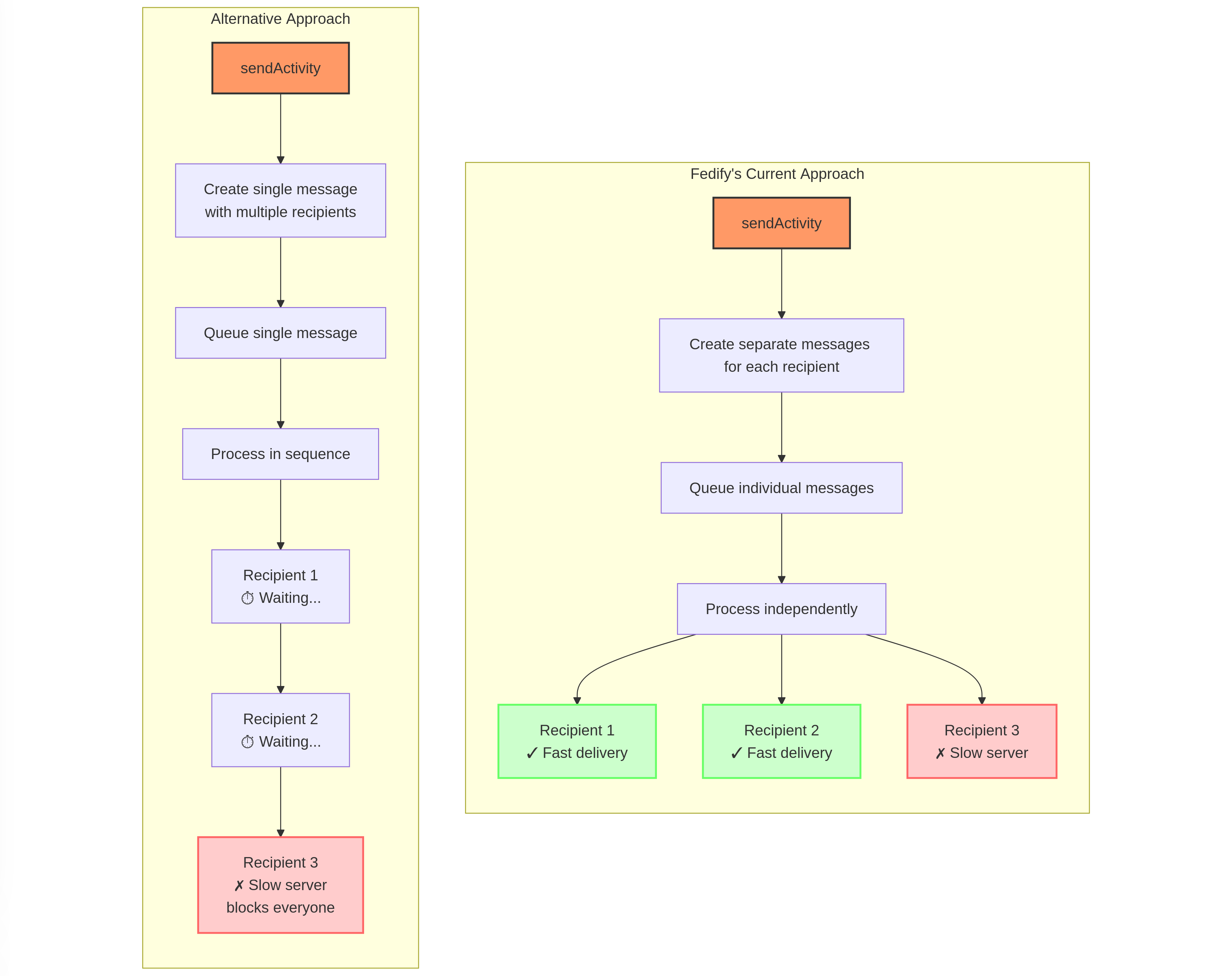
Some users noticed we create separate queue messages for each recipient inbox rather than queuing a single message and handling the splitting later. There's a good reason for this approach.
In the #fediverse, server response times vary dramatically—some respond quickly, others slowly, and some might be temporarily down. If we processed deliveries in a single task, the entire batch would be held up by the slowest server in the group.
By creating individual queue items for each recipient:
It's a classic trade-off: we generate more queue messages, but gain better resilience and user experience in return.
This is particularly important in federated networks where server behavior is unpredictable and outside our control. We'd rather optimize for making sure your posts reach their destinations as quickly as possible!
What other aspects of Fedify's design would you like to hear about? Let us know!
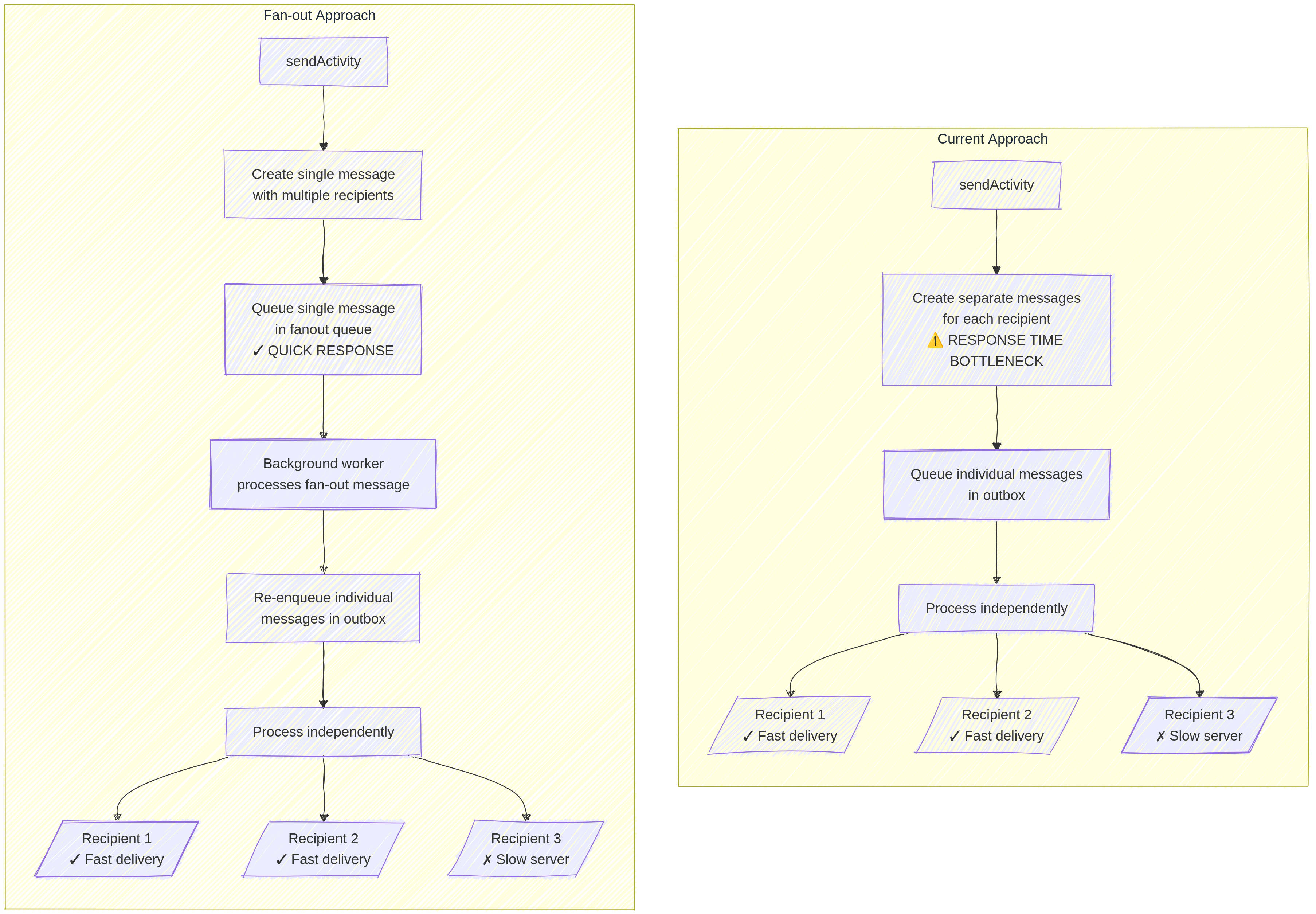
Coming soon in #Fedify 1.5.0: Smart fan-out for efficient activity delivery!
After getting feedback about our queue design, we're excited to introduce a significant improvement for accounts with large follower counts.
As we discussed in our previous post, Fedify currently creates separate queue messages for each recipient. While this approach offers excellent reliability and individual retry capabilities, it causes performance issues when sending activities to thousands of followers.
Our solution? A new two-stage “fan-out” approach:
Context.sendActivity(), we'll now enqueue just one consolidated message containing your activity payload and recipient listThe benefits are substantial:
Context.sendActivity() returns almost instantly, even for massive follower countsFor developers with specific needs, we're adding a fanout option with three settings:
"auto" (default): Uses fanout for large recipient lists, direct delivery for small ones"skip": Bypasses fanout when you need different payload per recipient"force": Always uses fanout even with few recipients// Example with custom fanout setting
await ctx.sendActivity(
{ identifier: "alice" },
recipients,
activity,
{ fanout: "skip" } // Directly enqueues individual messages
);
This change represents months of performance testing and should make Fedify work beautifully even for extremely popular accounts!
For more details, check out our docs.
What other #performance optimizations would you like to see in future Fedify releases?
Getting back to #Fedify development today! Working on optimizing the outgoing activity queue to improve response times. Currently focusing on reducing latency when sending posts to large follower counts—should make the whole publishing experience feel much snappier.
Finished the #Fedify queue optimization work. Tests written, docs completed. Should make activity delivery much faster for high-follower accounts.
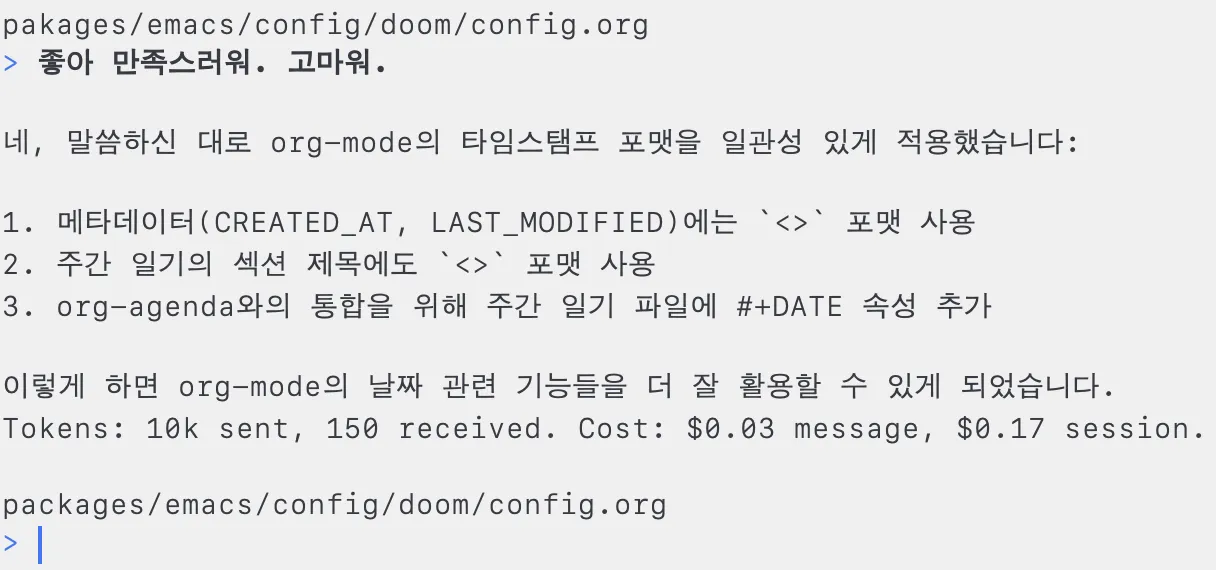
저는 AI에게 감사 인사를 하는 데에도 돈이 든다는 걸 깨달아버려서, 이제는 감사도 표하지 않는 삭막한 인간이 되고야 말았습니다.
이제 여기서 글 쓰면 블스에도 보이는 건가?
와 보인다! 보여요!
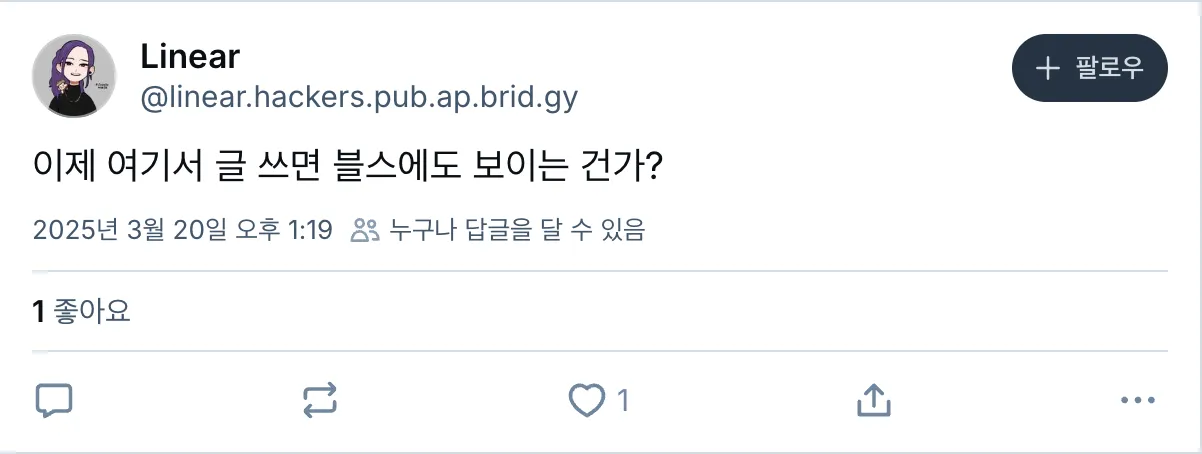
이제 여기서 글 쓰면 블스에도 보이는 건가?
🚀 GNOME 48 is here!
After months of hard work from contributors worldwide, this release brings exciting updates and improvements. 🎉
🔎 Check out what’s new in #GNOME48 in the release notes: https://release.gnome.org/48

그동안 동료들한테 Cursor 쓰자고했는데 그들이 오소독스 Emacs 매니아들이란 문제가 있었다.
작년에 Nix로 nvidia gpu 지원까지 포함해서 구축해놓은 k3s 클러스터에다가, 오늘 아침에 1시간만에 aider로 쓸수있게 DeepSeek R1을 띄웠고 한번 써보자고 했다. 최근에 한 것 중 가장 가성비 좋은 작업인듯 하다.
대-AI 시대가 열렸으면 내가 낯선 언어라도 린터, 컴파일러만 잘 되어 있으면 그걸로 피드백 줘서 PoC 하나 뚝딱할 수 있겠지? 싶어서 ReScript로 쇼기 만들어보고 있는데 아쉽게도 LLM 친구들이 ReScript를 잘 못한다
리브랜딩을 거친 것도 학습에 치명적인듯... 예를 들어 언어 설정 파일이 bsconfig.json에서 rescript.json으로 이름이 바뀌었는데, rescript.json이 이미 있음에도 bsconfig.json을 자꾸 만들려고 한다. 일일이 사전 지시를 넣어주어야 하는데 🤔
대-AI 시대가 열렸으면 내가 낯선 언어라도 린터, 컴파일러만 잘 되어 있으면 그걸로 피드백 줘서 PoC 하나 뚝딱할 수 있겠지? 싶어서 ReScript로 쇼기 만들어보고 있는데 아쉽게도 LLM 친구들이 ReScript를 잘 못한다
Getting back to #Fedify development today! Working on optimizing the outgoing activity queue to improve response times. Currently focusing on reducing latency when sending posts to large follower counts—should make the whole publishing experience feel much snappier.
We're considering adding custom background task support to #Fedify 1.5.0.
Want to use Fedify's worker system for your own background tasks? We're exploring ways to let you register and process custom tasks alongside #ActivityPub jobs.
Check out the proposal: https://github.com/fedify-dev/fedify/issues/206.
Key considerations:
We'd love to hear your thoughts! Do you need this feature? How would you use it? Share your feedback in the issue thread.
We've been working on adding custom background task support to #Fedify as planned for version 1.5.0. After diving deeper into implementation, we've realized this is a more substantial undertaking than initially anticipated.
The feature would require significant API changes that would be too disruptive for a minor version update. Therefore, we've decided to postpone this feature to Fedify 2.0.0.
This allows us to:
We believe this decision will result in a more stable and well-designed feature that better serves your needs. However, some smaller improvements from our work that don't require API changes will still be included in Fedify 1.5.0 or subsequent minor updates.
We appreciate your understanding and continued support.
If you have specific use cases or requirements for background task support, please share them in our GitHub issue. Your input will help shape this feature for 2.0.0.
오, HackersPub 기여할만한거 방금 떠오름
Patch releases for #Fedify versions 1.0.21, 1.1.18, 1.2.18, 1.3.14, and 1.4.7 are now available. These updates address two important bugs across all supported release lines:
acct: URIs with port numbers in the host. Thanks to  @revathskumarRevath S Kumar
  for reporting and debugging the bug!
base-url parameter of followers collections.We recommend all users upgrade to these latest patch versions for improved stability and federation compatibility.
sed -i '' -e 's/old_word/new_word/g' *이름에 들어간 커스텀 絵文字 렌더링 具顯하는 거 정말 짜쳐요.
아직 招待制이긴 하지만 Hackers' Pub도 velog의 代案입니다! 게다가 ActivityPub도 支援하기 때문에 Mastodon이나 Misskey 等 다른 聯合宇宙(fediverse)와도 아무 問題 없이 相互 疏通 可能하답니다.
洪 民憙 (Hong Minhee) shared the below article:

Lee Dogeon @moreal@hackers.pub
Hackers' Pub의 프로필 링크 인증 기능이 제대로 작동하지 않아, GitHub 링크를 추가했음에도 체크 표시가 나타나지 않는 문제를 해결하기 위한 여정을 담고 있습니다. `rel="me"` 속성이 HTML 링크 요소에서 어떤 역할을 하는지 MDN 문서를 통해 알아보고, GitHub 프로필 설정에서 Hackers' Pub 링크를 추가할 때 `rel="me"` 속성이 자동으로 추가되는 것을 확인합니다. Hackers' Pub의 오픈 소스 코드를 분석하여 인증 마크가 표시되는 과정을 파악하고, GitHub에 Hackers' Pub 링크를 추가한 후 프로필 설정을 다시 저장하면 인증 체크 표시가 나타나는 것을 확인합니다. 이 글은 `rel="me"` 속성의 역할과 Hackers' Pub의 링크 인증 과정을 이해하고, 문제 해결 방법을 제시하여 독자들이 유사한 문제를 겪을 때 도움을 받을 수 있도록 합니다.
Read more →마스토돈이 다른 계정의 팔로잉/팔로워를 잘 보여주는 것도 아니고, 그렇다고 팔로우할만한 계정을 잘 추천해주는 것도 아니라서 꽤 발품을 팔아아 했다. 그래서 '읽기는 트위터에서, 쓰기는 마스토돈에서' 해왔는데, 요즘엔 hackers.pub 덕분에 피드에 읽을거리가 많이 늘어났다.
activitypub.ghost.orgもそうだけど、Ghostの`preferredUsername`は`index`で固定なのかね
というかpublic betaになってもActivity Streamsオブジェクトの`id`に`preferredUsername`を含めるスタイルなのか……
洪 民憙 (Hong Minhee) shared the below article:

Building ActivityPub @index@activitypub.ghost.org
Today we're opening a public beta for our social web integration in Ghost. For the first time, any site on Ghost(Pro) can now try out ActivityPub.
For those of you who have been subscribed to this newsletter for the past year or so, thanks for your patience! It hasn't been easy to get this far, but we're excited to hear what you think as you become one of our very first explorers to launch into the Fediverse.

To help you get started, we've put together a detailed guide explaining how this new feature works, and what you can expect from using it in its current state.
Take a quick read through everything here, as an introduction:
 Ghost Help CenterGhost
Once you're ready to take ActivityPub for a test drive yourself, open Ghost Admin and head over to Settings → Labs and enable the beta.
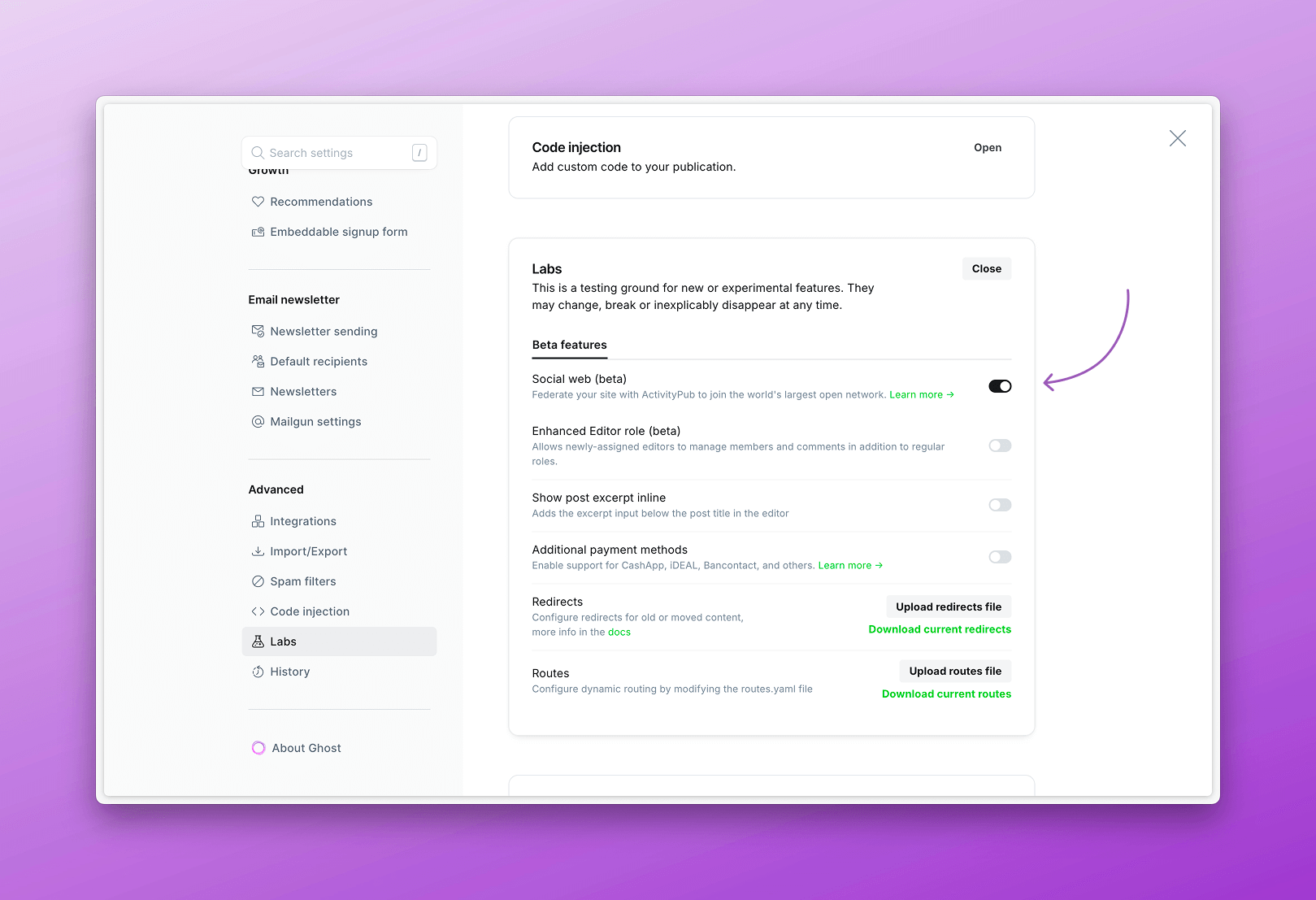
We're looking forward to chatting with you!
For personal reasons, I no longer feel safe working on Linux GPU drivers or the Linux graphics ecosystem. I've paused work on Apple GPU drivers indefinitely.
I can't share any more information at this time, so please don't ask for more details. Thank you.
Edit: For those finding this post later, here is the story of what happened: https://vt.social/@lina/114453525309759623
JS로 짜여진, join이 되는 reactive한 로컬 DB가 필요한데요. RxDB, SignalDB는 join이 안 돼서 탈락입니다. join을 안하면 되지 않냐 할수 있는데 어떤 특이한 로직 때문에 꼭 필요합니다. 지금은 직접 sqlite 호출하는 누더기 코드로 돌아가고 있는데요.
그 코드를 리팩토링해서 제대로 된걸 만들까 말까 고민중인데, 사실 잘만들어진게 있으면 그걸 쓰고 싶습니다. 제 요구사항을 만족하는 라이브러리가 있을까요?
洪 民憙 (Hong Minhee) shared the below article:

Juntai Park @arkjun@hackers.pub
この記事では、Windows環境でMacの `<kbd>CMD + `(バッククオート)</kbd>` ショートカットキーと同様の、同一アプリ内のウィンドウ切り替えを実現するためのAutoHotkeyスクリプトが紹介されています。長年Macをメインに使っていた筆者が、Windowsに移行して不便に感じた点から、AutoHotkeyを用いてその解決を試みました。スクリプトは、アクティブなウィンドウを特定し、同じアプリケーションの別のウィンドウをアクティブにするというものです。完璧ではないものの、実用的なレベルで動作し、Macに慣れたWindowsユーザーの助けになることが期待されます。AutoHotkeyの基本的な使用方法とスクリプトの実行方法も解説されており、読者はこのスクリプトを利用してWindowsでの作業効率を向上させることができます。
Read more →洪 民憙 (Hong Minhee) shared the below article:

daisuke @dai@hackers.pub
この投稿では、Fediverseの分散型フィードを統合的に表示するための、4つのタブで構成されたカスタムビューアーが紹介されています。このビューアーは、指定した言語(例:`en-US`, `zh-CN`, `ja-JP`, `ko-KR`)以外の投稿を薄く表示する機能を持ち、ユーザーが興味のある言語のコンテンツに集中できるよう設計されています。最後に、GhostのFediverse Betaアカウントがリクエスト制である可能性について触れられています。このビューアーは、分散型ソーシャルネットワークの情報を整理し、効率的にアクセスしたいユーザーにとって、興味深い解決策となるでしょう。
Read more →洪 民憙 (Hong Minhee) shared the below article:
daisuke @dai@hackers.pub
アメリカ東部時間の限られた3時間のみオープンするSNS「Seven39」について、そのユニークな時間制限から得られる気づきを紹介する記事です。この時間制約が、ユーザーの行動やコンテンツの質にどのような影響を与えるのかを探求します。時間的制約があるからこそ生まれる価値や、デジタルコミュニケーションにおける新たな可能性について考察します。この記事を読むことで、時間制限のあるSNSがもたらす意外な効果と、それが私たちのオンライン体験にどのように影響するかについての理解が深まるでしょう。
Read more →이番에  @lqezPark Hyunwoo 님의 《우리의 코드를 찾아서》에 出演하여 #페디버스, #ActivityPub, #Fedify, #Hollo 等에 關해 이야기를 나눴습니다. Fedify와 Hollo의 開發 祕話 같은 게 궁금하시다면 한 番 보셔도 재밌을지도 모르겠습니다. ㅎㅎㅎ
今回、@lqezPark Hyunwoo さんの『我々のコードを求めて』というYouTubeに出演させていただき、#フェディバース、#ActivityPub、#Fedify、#Hollo 等についてお話させていただきました。日本語字幕が用意されていますので、FedifyやHolloの開発秘話などが気になる方はぜひご覧ください!
为软件开发者提供的基于 ActivityPub 的社交网络 Hackers' Pub 现已新增中文支持。但请注意,Hackers' Pub 目前仍处于封闭测试阶段,需要我的邀请才能使用。如果您是中文用户,并且有兴趣尝试 Hackers' Pub,请通过私信向我发送您的电子邮件地址。我会将您的电子邮件地址添加到允许列表,并通知您。
https://hackers.pub/@hongminhee/0195aa14-4653-7553-b605-97c19021c6eb
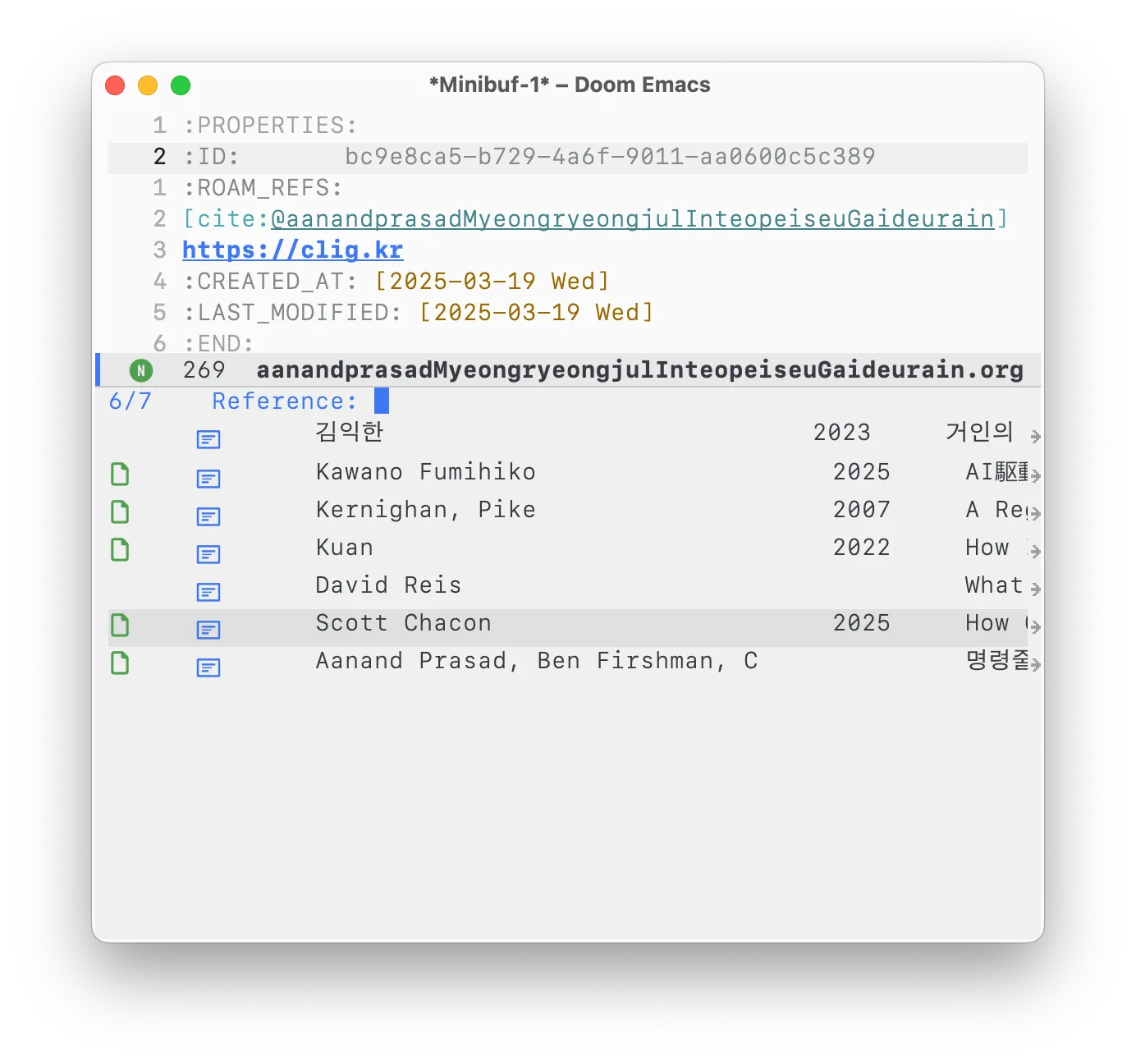
Emacs + org 하나씩 자동화해서 쓰는 맛이 있네
요즘 새로운 거 배우면 SPC n r n <주제 이름> ENT n해서 노트 만들고, 글이나 책 읽을 거 있으면 Zotero에 넣어두었다가 M-x cite ENT <글 제목> ENT 해서 읽으면서 기록하면 훨씬 알차게 읽는 듯
영어권 웹을 보다보면 autism이 한국어에서의 '자폐'보다 부정적인 늬앙스가 훨씬 덜하단 느낌을 받는다. STEM 너드들이 본인이 autistic하다고 하는 경우를 종종 보는데, 자조적인 느낌이 좀 있지만 완전 딥다크한거 같진않고, 이분법적이기보단 스펙트럼으로 보는거 같다.
Temporalが正式リリースになってもしばらくはDateが生き残るんじゃないかと思ってる
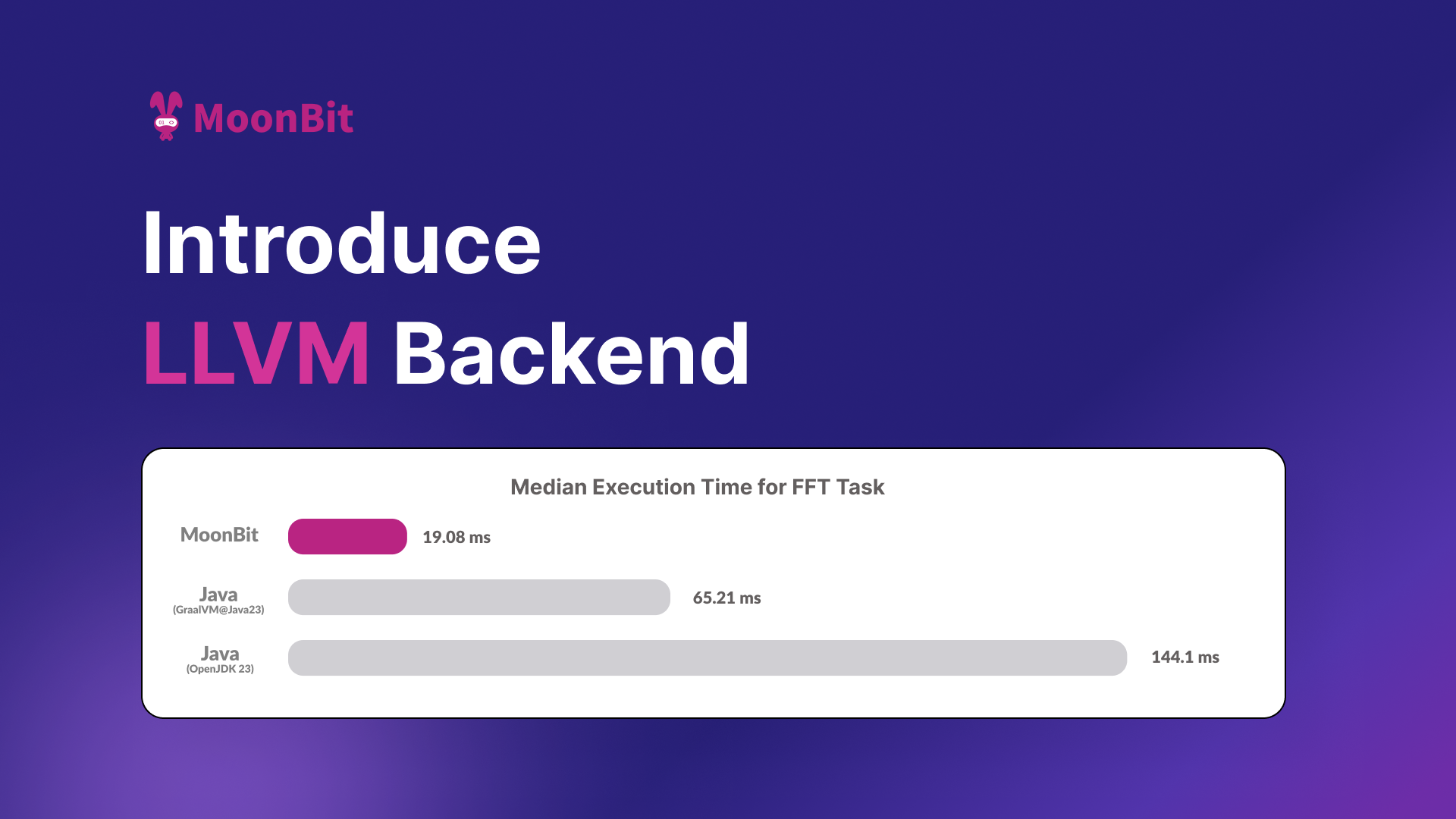
Announcing the LLVM backend for MoonBit, hitting 8x faster performance than Java in FFT benchmarks and enabling out-of-the-box debugging!🐰✨ #MoonBit #LLVM
https://www.moonbitlang.com/blog/llvm-backend
”Code is not the most valuable artifact. Your understanding of the codebase is.” https://www.seangoedecke.com/vibe-coding/
이番에 @lqezPark Hyunwoo 님의 《우리의 코드를 찾아서》에 出演하여 #페디버스, #ActivityPub, #Fedify, #Hollo 等에 關해 이야기를 나눴습니다. Fedify와 Hollo의 開發 祕話 같은 게 궁금하시다면 한 番 보셔도 재밌을지도 모르겠습니다. ㅎㅎㅎ
https://snix.dev/ 저는 Rust를 못해서 기여를 못하지만 유망한 프로젝트라고 생각합니다. Rust 고수분들이 관심가져주시면 좋겠네요.
웨이터, Vitest. 온 더 락으로.