
Deno v2.6.4 just shipped with a fix for Intel Macs and a big performance improvement to `node:http` module.
洪 民憙 (Hong Minhee)
@hongminhee@hackers.pub · 1014 following · 718 followers
Hi, I'm who's behind Fedify, Hollo, BotKit, and this website, Hackers' Pub! My main account is at  @hongminhee洪 民憙 (Hong Minhee)
  .
.
Fedify, Hollo, BotKit, 그리고 보고 계신 이 사이트 Hackers' Pub을 만들고 있습니다. 제 메인 계정은: @hongminhee洪 民憙 (Hong Minhee) .
Fedify、Hollo、BotKit、そしてこのサイト、Hackers' Pubを作っています。私のメインアカウントは「@hongminhee洪 民憙 (Hong Minhee) 」に。
 Website
- hongminhee.org
 GitHub
- @dahlia
 Hollo
Hollo- @hongminhee@hollo.social
 DEV
DEV- @hongminhee
 velog
velog- @hongminhee
 Qiita
Qiita- @hongminhee
 Zenn
Zenn- @hongminhee
 Matrix
- @hongminhee:matrix.org
 X
X- @hongminhee
프로토타입은 만들었고, 이제 각 언어별로 resolver?를 만들면 된다. JSON, JS 순으로 해야지.

소프트웨어 엔지니어 채용중입니다. https://careers.linecorp.com/ko/jobs/2961/ Rust(도) 하는 팀입니다.
훌륭한 프로그래머인 
I finally gave in and wrote my own markdownlint rules to enforce my peculiar and stubborn Markdown style. Probably no one else will ever need these, but I've published them as open source anyway.
 @bglbgl gwyng 오… 좋은 아이디어 같아요! MCP 서버로도 동작하면 좋을 것 같네요. 당장 저장소 파주세요.
@hongminhee洪 民憙 (Hong Minhee) https://github.com/bglgwyng/lat 일단 아이디어 기록 용으로 팠습니다. vertana로 영문 README를 만들어 봐야겠네요.
LLM을 위한 cat, lat을 만들어볼까 생각이 들었다. 어떤 파일을 열던지 간에, 토큰 아끼고 LLM이 쉽게 읽도록 적당히 알아서 바꿔서 보여주는 것이다. 그리고 CLAUDE.md 같은거에 cat 대신에 쓰라고 하는거지.
처음엔 JSON 파일을 minify해서 토큰 아끼는 정도를 생각했는데, 막상 클로드한테 물어보니 자기도 들여쓰기가 있어야 읽기 편하다고 한다. 응? 그래서 쓸모있는 접근을 물어봤더니, 코드를 읽을때 앞에 함수 시그니쳐/클래스 정의 등의 요약을 달아주면 좋겠다고 한다.
쓸모있게 만드려면 좀더 고민해야할듯..


LLM에서 마크다운이 널리 쓰이게 되면서 안 보고 싶어도 볼 수 밖에 없게 된 흔한 꼬라지로 그림에서 보는 것처럼 마크다운 강조 표시(**)가 그대로 노출되어 버리는 광경이 있다. 이 문제는 CommonMark의 고질적인 문제로, 한 10년 전쯤에 보고한 적도 있는데 지금까지 어떤 해결책도 제시되지 않은 채로 방치되어 있다.
문제의 상세는 이러하다. CommonMark는 마크다운을 표준화하는 과정에서 파싱의 복잡도를 제한하기 위해 연속된 구분자(delimiter run)라는 개념을 넣었는데, 연속된 구분자는 어느 방향에 있느냐에 따라서 왼편(left-flanking)과 오른편(right-flanking)이라는 속성을 가질 수 있다(왼편이자 오른편일 수도 있고, 둘 다 아닐 수도 있다). 이 규칙에 따르면 **는 왼편의 연속된 구분자로부터 시작해서 오른편의 연속된 구분자로 끝나야만 한다. 여기서 중요한 건 왼편인지 오른편인지를 판단하는 데 외부 맥락이 전혀 안 들어가고 주변의 몇 글자만 보고 바로 결정된다는 것인데, 이를테면 왼편의 연속된 구분자는 **<보통 글자> 꼴이거나 <공백>**<기호> 또는 <기호>**<기호> 꼴이어야 한다. ("보통 글자"란 공백이나 기호가 아닌 글자를 가리킨다.) 첫번째 꼴은 아무래도 **마크다운**은 같이 낱말 안에 끼어 들어가 있는 연속된 구분자를 허용하기 위한 것이고, 두번째/세번째 꼴은 이 **"마크다운"** 형식은 같이 기호 앞에 붙어 있는 연속된 구분자를 제한적으로 허용하기 위한 것이라 해석할 수 있겠다. 오른편도 방향만 다르고 똑같은 규칙을 가지는데, 이 규칙으로 **마크다운(Markdown)**은을 해석해 보면 뒷쪽 **의 앞에는 기호가 들어 있으므로 뒤에는 공백이나 기호가 나와야 하지만 보통 글자가 나왔으므로 오른편이 아니라고 해석되어 강조의 끝으로 처리되지 않는 것이다.
CommonMark 명세에서도 설명되어 있지만, 이 규칙의 원 의도는 **이런 **식으로** 중첩되어** 강조된 문법을 허용하기 위한 것이다. 강조를 한답시고 **이런 ** 식으로 공백을 강조 문법 안쪽에 끼워 넣는 일이 일반적으로는 없으므로, 이런 상황에서 공백에 인접한 강조 문법은 항상 특정 방향에만 올 수 있다고 선언하는 것으로 모호함을 해소하는 것이다. 허나 CJK 환경에서는 공백이 아예 없거나 공백이 있어도 한국어처럼 낱말 안에서 기호를 쓰는 경우가 드물지 않기 때문에, 이런 식으로 어느 연속된 구분자가 왼편인지 오른편인지 추론하는 데 한계가 있다는 것이다. 단순히 <보통 문자>**<기호>도 왼편으로 해석하는 식으로 해서 **마크다운(Markdown)**은 같은 걸 허용한다 하더라도, このような**[状況](...)**は 이런 상황은 어쩔 것인가? 내가 느끼기에는 중첩되어 강조된 문법의 효용은 제한적인 반면 이로 인해 생기는 CJK 환경에서의 불편함은 명확하다. 그리고 LLM은 CommonMark의 설계 의도 따위는 고려하지 않고 실제 사람들이 사용할 법한 식으로 마크다운을 쓰기 때문에, 사람들이 막연하게 가지고만 있던 이런 불편함이 그대로 표면화되어 버린 것이고 말이다.
![* 21. Ba5# - 백이 룩과 퀸을 희생한 후, 퀸 대신 **비숍(Ba5)**이 결정적인 체크메이트를 성공시킵니다. 흑 킹이 탈출할 곳이 없으며, 백의 기물로 막을 수도 없습니다. [강조 처리된 "비숍(Ba5)" 앞뒤에 마크다운의 강조 표시 "**"가 그대로 노출되어 있다.]](https://media.hackers.pub/note-media/17646c5d-3f9d-472b-9d56-dd34006ad291.webp)
As Markdown has become the standard for LLM outputs, we are now forced to witness a common and unsightly mess where Markdown emphasis markers (**) remain unrendered and exposed, as seen in the image. This is a chronic issue with the CommonMark specification---one that I once reported about ten years ago---but it has been left neglected without any solution to this day.
The technical details of the problem are as follows: In an effort to limit parsing complexity during the standardization process, CommonMark introduced the concept of "delimiter runs." These runs are assigned properties of being "left-flanking" or "right-flanking" (or both, or neither) depending on their position. According to these rules, a bolded segment must start with a left-flanking delimiter run and end with a right-flanking one. The crucial point is that whether a run is left- or right-flanking is determined solely by the immediate surrounding characters, without any consideration of the broader context. For instance, a left-flanking delimiter must be in the form of **<ordinary character>, <whitespace>**<punctuation>, or <punctuation>**<punctuation>. (Here, "ordinary character" refers to any character that is not whitespace or punctuation.) The first case is presumably intended to allow markers embedded within a word, like **마크다운**은, while the latter cases are meant to provide limited support for markers placed before punctuation, such as in 이 **"마크다운"** 형식은. The rules for right-flanking are identical, just in the opposite direction.
However, when you try to parse a string like **마크다운(Markdown)**은 using these rules, it fails because the closing ** is preceded by punctuation (a parenthesis) and it must be followed by whitespace or another punctuation mark to be considered right-flanking. Since it is followed by an ordinary letter (은), it is not recognized as right-flanking and thus fails to close the emphasis.
As explained in the CommonMark spec, the original intent of this rule was to support nested emphasis, like **this **way** of nesting**. Since users typically don't insert spaces inside emphasis markers (e.g., **word **), the spec attempts to resolve ambiguity by declaring that markers adjacent to whitespace can only function in a specific direction. However, in CJK (Chinese, Japanese, Korean) environments, either spaces are completly absent or (as in Korean) punctuations are commonly used within a word. Consequently, there are clear limits to inferring whether a delimiter is left or right-flanking based on these rules. Even if we were to allow <ordinary character>**<punctuation> to be interpreted as left-flanking to accommodate cases like **마크다운(Markdown)**은, how would we handle something like このような**[状況](...)は**?
In my view, the utility of nested emphasis is marginal at best, while the frustration it causes in CJK environments is significant. Furthermore, because LLMs generate Markdown based on how people would actually use it---rather than strictly following the design intent of CommonMark---this latent inconvenience that users have long felt is now being brought directly to the surface.
![* 21. Ba5# - 백이 룩과 퀸을 희생한 후, 퀸 대신 **비숍(Ba5)**이 결정적인 체크메이트를 성공시킵니다. 흑 킹이 탈출할 곳이 없으며, 백의 기물로 막을 수도 없습니다. [The emphasized portion `비숍(Ba5)` is surrounded by unrendered Markdown emphasis marks `**`.]](https://media.hackers.pub/note-media/1e9c2aae-dd7d-4963-b3c8-34336b34dfac.webp)
Zod가 lazy validation을 지원안하길래 대안을 찾아봤는데, 잘 알려진것중엔 Valibot의 v.lazy 뿐인것 같다
LLM에서 마크다운이 널리 쓰이게 되면서 안 보고 싶어도 볼 수 밖에 없게 된 흔한 꼬라지로 그림에서 보는 것처럼 마크다운 강조 표시(**)가 그대로 노출되어 버리는 광경이 있다. 이 문제는 CommonMark의 고질적인 문제로, 한 10년 전쯤에 보고한 적도 있는데 지금까지 어떤 해결책도 제시되지 않은 채로 방치되어 있다.
문제의 상세는 이러하다. CommonMark는 마크다운을 표준화하는 과정에서 파싱의 복잡도를 제한하기 위해 연속된 구분자(delimiter run)라는 개념을 넣었는데, 연속된 구분자는 어느 방향에 있느냐에 따라서 왼편(left-flanking)과 오른편(right-flanking)이라는 속성을 가질 수 있다(왼편이자 오른편일 수도 있고, 둘 다 아닐 수도 있다). 이 규칙에 따르면 **는 왼편의 연속된 구분자로부터 시작해서 오른편의 연속된 구분자로 끝나야만 한다. 여기서 중요한 건 왼편인지 오른편인지를 판단하는 데 외부 맥락이 전혀 안 들어가고 주변의 몇 글자만 보고 바로 결정된다는 것인데, 이를테면 왼편의 연속된 구분자는 **<보통 글자> 꼴이거나 <공백>**<기호> 또는 <기호>**<기호> 꼴이어야 한다. ("보통 글자"란 공백이나 기호가 아닌 글자를 가리킨다.) 첫번째 꼴은 아무래도 **마크다운**은 같이 낱말 안에 끼어 들어가 있는 연속된 구분자를 허용하기 위한 것이고, 두번째/세번째 꼴은 이 **"마크다운"** 형식은 같이 기호 앞에 붙어 있는 연속된 구분자를 제한적으로 허용하기 위한 것이라 해석할 수 있겠다. 오른편도 방향만 다르고 똑같은 규칙을 가지는데, 이 규칙으로 **마크다운(Markdown)**은을 해석해 보면 뒷쪽 **의 앞에는 기호가 들어 있으므로 뒤에는 공백이나 기호가 나와야 하지만 보통 글자가 나왔으므로 오른편이 아니라고 해석되어 강조의 끝으로 처리되지 않는 것이다.
CommonMark 명세에서도 설명되어 있지만, 이 규칙의 원 의도는 **이런 **식으로** 중첩되어** 강조된 문법을 허용하기 위한 것이다. 강조를 한답시고 **이런 ** 식으로 공백을 강조 문법 안쪽에 끼워 넣는 일이 일반적으로는 없으므로, 이런 상황에서 공백에 인접한 강조 문법은 항상 특정 방향에만 올 수 있다고 선언하는 것으로 모호함을 해소하는 것이다. 허나 CJK 환경에서는 공백이 아예 없거나 공백이 있어도 한국어처럼 낱말 안에서 기호를 쓰는 경우가 드물지 않기 때문에, 이런 식으로 어느 연속된 구분자가 왼편인지 오른편인지 추론하는 데 한계가 있다는 것이다. 단순히 <보통 문자>**<기호>도 왼편으로 해석하는 식으로 해서 **마크다운(Markdown)**은 같은 걸 허용한다 하더라도, このような**[状況](...)**は 이런 상황은 어쩔 것인가? 내가 느끼기에는 중첩되어 강조된 문법의 효용은 제한적인 반면 이로 인해 생기는 CJK 환경에서의 불편함은 명확하다. 그리고 LLM은 CommonMark의 설계 의도 따위는 고려하지 않고 실제 사람들이 사용할 법한 식으로 마크다운을 쓰기 때문에, 사람들이 막연하게 가지고만 있던 이런 불편함이 그대로 표면화되어 버린 것이고 말이다.
 @mitsuhikoArmin Ronacher
  @glyph
That response sounds like you are admitting that LLMs are just repackaging human work against the will of those humans?
Repackaging someone else's work and putting your name on it is not sharing, it's stealing labour and stealing credit. Pirates don't pretend they made something, but LLM users do pretend this.
I agree 70 years is too long, but LLMs are reducing that to 0 years while also erasing from history the creator's credit.
Open source is where the creators are credited and they have consented to their work being used by others. LLMs are removing credit and doing it without consent.
 @FediThingFediThing 🏳️🌈 @glyph LLMs are trained on human-created material in much the same way a person learns by reading books and then acting on what they've learned. They don't directly reproduce that material.
As I mentioned I strongly believe that broad sharing of knowledge is a net benefit to humanity. Questions of credit and attribution are a separate issue and to discuss them meaningfully, you first have to be clear about what you consider reasonable attribution in the first place.
You can take for instance the tankgame and then tell me which part should be attributed and is not, and what you would be attributing it to.
On the "against the will": I want you to use the code I wrote, it's definitely not against my will that LLMs are trained on the code I wrote over the years.

SPF & DKIM records
Permalink: https://wizardzines.com/comics/spf-dkim/

#Optique 0.9.0 is here!
This release brings #async/await support to #CLI parsers. Now you can validate input against external resources—databases, APIs, Git repositories—directly at parse time, with full #TypeScript type safety.
The new @optique/git package showcases this: validate branch names, tags, and commit SHAs against an actual Git repo, complete with shell completion suggestions.
Other highlights:
- Hidden option support for deprecated/internal flags
- Numeric choices in
choice() - Security fix for shell completion scripts
Fully backward compatible—your existing parsers work unchanged.
My last salaried job was at a company that built blockchain technology. No, it wasn't for cryptocurrency. The goal was to use blockchain to create a fully peer-to-peer, decentralized game. I found it a technically interesting goal. I've always been fascinated by decentralized technologies, which is also why I'm drawn to ActivityPub. Another thing that attracted me was the promise that this technology would be implemented as 100% open source. I had always wanted to work on open source full-time, so I accepted the offer.
However, once I started working there, I found myself increasingly disappointed. The organization gradually filled up with so-called “crypto bros,” and the culture shifted toward prioritizing token price over technical achievement. I and a few close colleagues believed that introducing partial centralization to the fully decentralized system—whether to defend the token price or to rush a release—was not a “minor compromise” but a “major corruption.” The rest of the organization didn't see it that way.
One of the most painful things about being in that organization was the fact that the technology I was creating was not only unhelpful to society, but was actually harming the environment and society. At the time, I felt like I was working for a tobacco company—knowing that cigarettes harm people's health, yet turning a blind eye and doing the job anyway.
I'm no fan of cryptocurrency, but I still think blockchain has technically interesting aspects. However, blockchain has already become socially inseparable from cryptocurrency, and even if blockchain is technically interesting, there are very few domains where it's actually useful. Furthermore, the negative environmental impact of blockchain technology is a problem that must be solved for it to be taken seriously. In its current state, when I weigh the harm against the utility, I believe the harm overwhelmingly outweighs it.
Anyway, I have now completely said goodbye to blockchain technology. I feel at ease now that I don't have to live with that guilt anymore. I also came to realize that engineers must consider not only the technical interest of a technology but also its social impact. So for now, I want to focus on ActivityPub. I find it both technically interesting and socially meaningful!
Wrote about designing type-safe sync/async mode support in TypeScript. Making object({ sync: syncParser, async: asyncParser }) automatically infer as async turned out to be trickier than expected.
https://hackers.pub/@hongminhee/2026/typescript-sync-async-type-safety
複数のパーサーを合成するとき、一つでも非同期なら結果も非同期になる——これをTypeScriptの型レベルで表現するのが意外と難しかった。Optiqueでの設計過程を書きました。

클로드 코드 쓰고있으니 더 나은 VCS에 대한 욕심이 커진다. 나는 클로드가 브랜치를 더 자주 쪼개서, 원하는 시점으로의 롤백이 더 편해졌으면 좋겠다.
하나 생각나는 아이디어는 브랜치 명을 hierachial하게 만들어서 가령 fix-bug-1/refactor-class-foo/fix-function-bar 이런식으로, 무슨 일하는지의 맥락을 브랜치명에 나타내는 것이다. 그리고 a/b 브랜치는 a 브랜치의 자식이어야 한다는 제약도 강제한다.
...는 git은 a란 브랜치가 이미 있으면 a/b, a/c 같은 브랜치를 못만든다. 이유는 바로... git 브랜치가 이름 디렉토리로 관리되기 때문이다. 뭐 이런;;

근데 솔직히 마크다운이 "너 진짜 **핵심**을 찔렀어"의 형태로 대중화가 될 줄은 몰랐지...

에이전트가 도구를 다루는 방식에 대한 인식을 동료들과 맞추기 위해 자손킴님의 Tool Use 글을 팀에 공유했고 (👍 을 받음)
고등학생 때부터 Vim을 썼으니까, Vim/Neovim을 합치면 거의 15년 가까이 썼던 것 같다. 그러다가 Deno와 TypeScript를 접하면서 Visual Studio Code로 갈아탔는데, 그러고 한 2–3년? Zed가 나와서 Zed를 또 1년 가까이 썼다. (아, VS Code를 쓸 때도 Zed를 쓸 때도 Vim 키 바인딩을 끄지는 못 했다.)
그런데 요즘에는 Claude Code니 OpenCode니 LLM 기반의 코딩 에이전트들을 꽤 열심히 쓰게 되면서 에디터 자체를 잘 안 쓰게 되었다. 심지어 import 한 줄 추가하는 것도 프롬프트로 해결하게 된다. 그래야 LLM한테 맥락이 주어져서 혼선이 없기 때문이다. (내가 말 없이 코드를 고쳐 두면 LLM이 뭔가의 이상 상황으로 받아들이거나, 무심코 원래 코드로 되돌리기도 한다.) 그러다 보니 커밋 직전에 디테일을 손 보거나 코드를 리뷰할 때 빼고는 에디터를 잘 안 켜게 된다. 켜더라도 즉각적으로 열리는 걸 선호하게 되어서, Vim/Neovim이 가장 먼저 손이 가더라.
결국에는 몇 년 동안의 방황을 거쳐 다시 Vim/Neovim으로 돌아오게 되었다는 이야기. 그래서 조만간 먼지가 쌓인 Vim/Neovim 설정도 새해 맞이를 겸해서 한 번 청소를 해야겠다 싶다.

@hongminhee洪 民憙 (Hong Minhee) 저도 비슷한 이유로 Emacs로 회귀했다가 지금은 Zed를 쓰게 되었습니다 😂

모든 연락 다 끊고 (트위터 제외) 쭉 쉬었더니 아주 좋았다

I wrote Zig bindings to quickjs-ng with 96% API coverage (~240 exported C decls) with unit tests, examples, and doc strings on all functions in less than 6 total hours with AI assistance. I never want to hear that AI isn't faster ever again. https://github.com/mitchellh/zig-quickjs-ng
This isn't slop. I worked for those 6 hours.
I was reviewing everything it outputted, updating my AGENTS.md to course correct future work, ensuring the output was idiomatic Zig, writing my own tests on the side to verify its work (while it worked), and more. My work was split across ~40 separate Amp threads (not one mega session, which doesn't work anyways unless you're orchestrating).
I have a ton of experience writing bindings to libraries for various languages, especially Zig. I have never achieved this much coverage in so little time with such high quality (e.g. test coverage). My usual approach is to get bind just-enough of the surface area to do my actual work and move on. This time I thought I'd draw the whole owl, because it's a new world. And I'm very happy with the result.
Anyone with experience writing bindings knows that you do some small surface area, then the rest of the coverage is annoying repetition. That's why I usually stopped. Well, LLMs/agents are really, really good at annoying repetition and pattern matching. So going from 5% API coverage to 95% is... cake.
There is probably some corners that are kind of nasty still, but I've been re-reviewing every line of code manually and there is nothing major. Definitely some areas that can just use a nicer Zig interfaces over the C API, but that's about it.
I plan on writing a longer form blog showcasing my threads, but you can at least see the final AGENTS.md I produced in the linked repo.
I will repeat that I was not sitting back at all during those 6 hours. While agents were working, I was working, just on separate -- but related -- tasks. I know for a fact that I could not have completed this amount of work in 6 hours fully manually (based on the experience that I've written something like 30+ bindings to C libraries in the past decade, probably more).
I wrote Zig bindings to quickjs-ng with 96% API coverage (~240 exported C decls) with unit tests, examples, and doc strings on all functions in less than 6 total hours with AI assistance. I never want to hear that AI isn't faster ever again. https://github.com/mitchellh/zig-quickjs-ng
This isn't slop. I worked for those 6 hours.
I was reviewing everything it outputted, updating my AGENTS.md to course correct future work, ensuring the output was idiomatic Zig, writing my own tests on the side to verify its work (while it worked), and more. My work was split across ~40 separate Amp threads (not one mega session, which doesn't work anyways unless you're orchestrating).
I have a ton of experience writing bindings to libraries for various languages, especially Zig. I have never achieved this much coverage in so little time with such high quality (e.g. test coverage). My usual approach is to get bind just-enough of the surface area to do my actual work and move on. This time I thought I'd draw the whole owl, because it's a new world. And I'm very happy with the result.
Anyone with experience writing bindings knows that you do some small surface area, then the rest of the coverage is annoying repetition. That's why I usually stopped. Well, LLMs/agents are really, really good at annoying repetition and pattern matching. So going from 5% API coverage to 95% is... cake.
There is probably some corners that are kind of nasty still, but I've been re-reviewing every line of code manually and there is nothing major. Definitely some areas that can just use a nicer Zig interfaces over the C API, but that's about it.
I plan on writing a longer form blog showcasing my threads, but you can at least see the final AGENTS.md I produced in the linked repo.
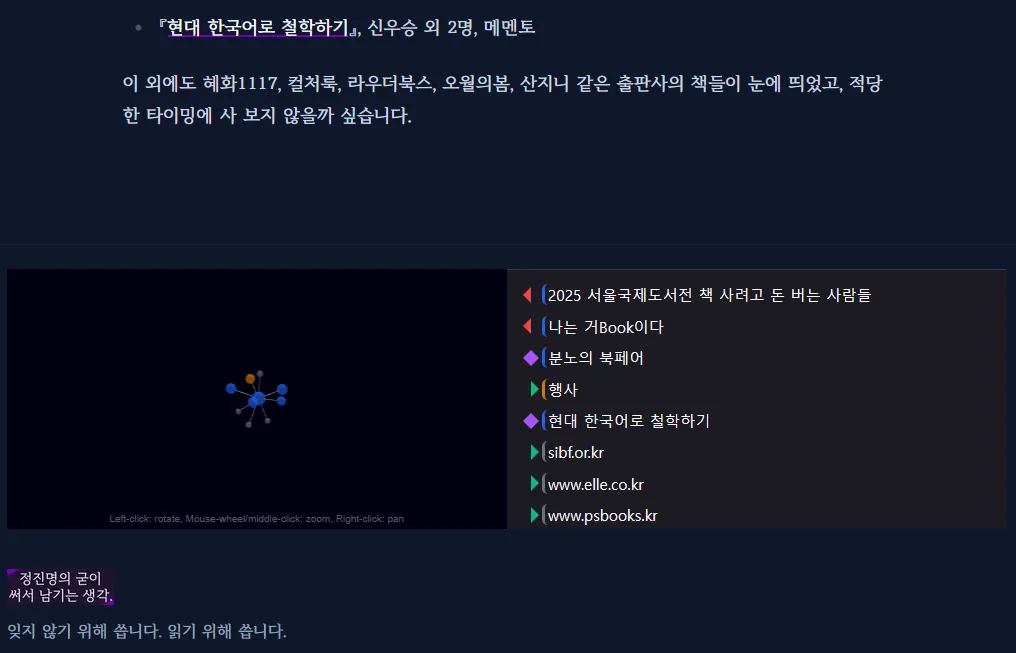

jekyll 블로그에도 심플한 좋아요 기능을 달 수 있을 것인가? https://burgeonlab.com/blog/add-appreciation-buttons-to-hugo-with-iine/ 가 도움이 될 거 같아서 일단 북마크. 계속 jekyll 을 쓸지도 생각 좀 해봐야 되는데.





Heya! I just released XenoAtom.Terminal https://github.com/XenoAtom/XenoAtom.Terminal, a modern replacement for System.Console for .NET CLI/TUI apps. 🎉
It keeps a familiar Console-like feel, but adds the terminal-native stuff System.Console doesn't cover well: ANSI/VT styling + markup, unified async input events (keys/resize/mouse/paste), restore-on-dispose scopes (raw/cbreak, alternate screen, hide cursor…), clipboard, a rich ReadLine editor, & testable backends, built on top of XenoAtom.Ansi ✨

NATが諸悪の根源(過激)

IPv6가 30주년을 맞았지만 여전히 세계를 장악하지 못한 이유
------------------------------
- 1995년 등장한 IPv6 는 32비트에서 128비트로 확장된 주소 체계를 통해 *인터넷 주소 고갈 문제* 를 해결하려 했음
- 그러나 *IPv4와의 비호환성* , *기능적 차별성 부족* , *NAT의 확산* 등으로 인해 전환이 지연됨
- 전문가들은 *배포 비용과 복잡성* , *ROI 부족* , *성능 불일치* 등이 여전히 주요 …
------------------------------
https://news.hada.io/topic?id=25533&utm_source=googlechat&utm_medium=bot&utm_campaign=1834
프로그래밍 언어 문법을 만들때, 비교 연산자에 <, <=, >, >= 등이 있는데, 어차피 좌우 순서만 바꾸면 되니까, >, >= 같은걸 그냥 압수하고 <, <=만 쓰게 한다음에 >, >= 요건 다른 용도로 쓰면 어떨까하는 생각이 듬.
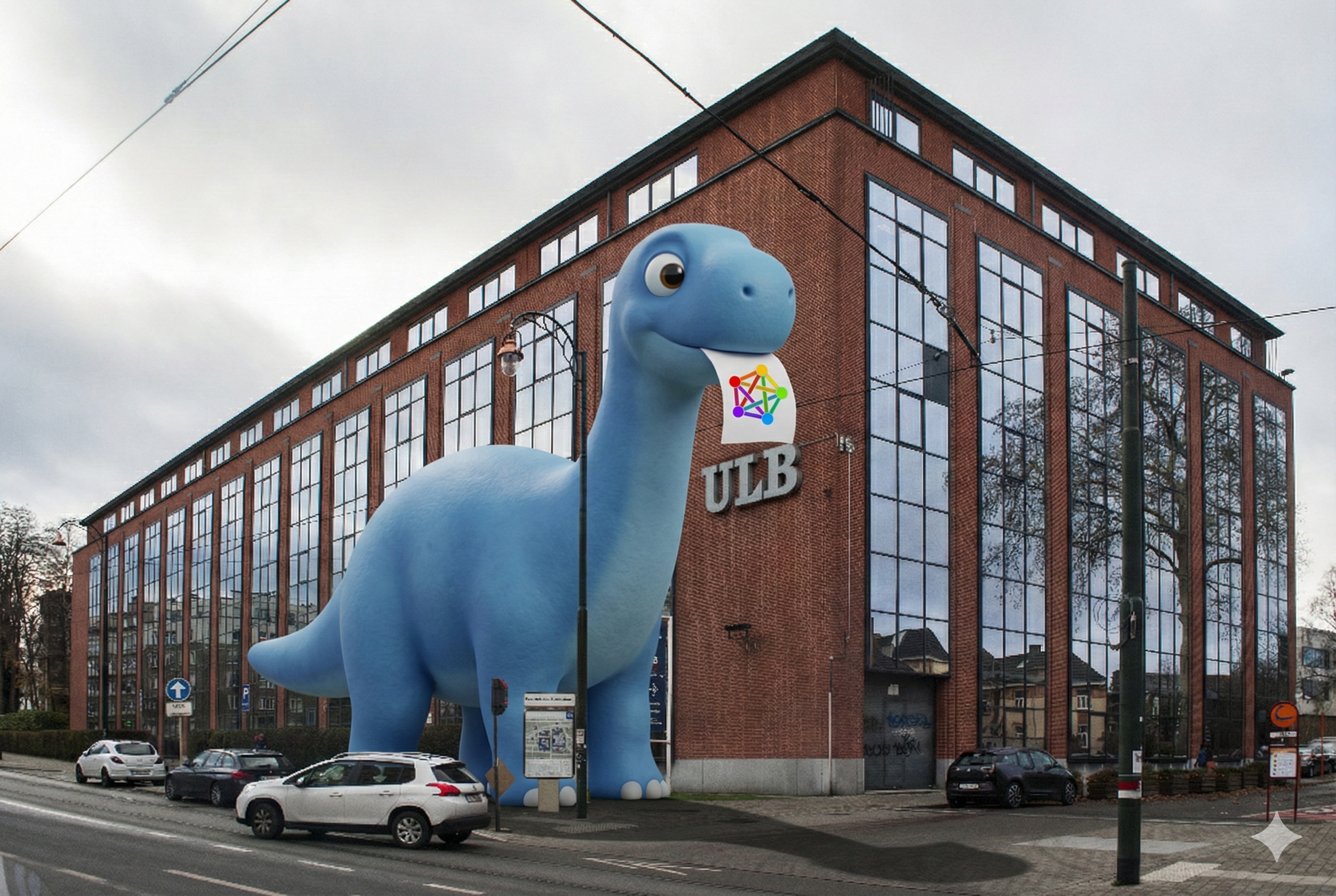
Using Nano Banana Pro, I composited an image to make it look like the cute dinosaur from the Fedify logo was standing in front of the ULB (Université libre de Bruxelles) building in Brussels, where FOSDEM is held.
This time, I tried writing a prompt to draw an illustration of the mascots from the Mastodon, Lemmy, Fedify, Misskey, and Akkoma projects all getting along together.

Using Nano Banana Pro, I composited an image to make it look like the cute dinosaur from the Fedify logo was standing in front of the ULB (Université libre de Bruxelles) building in Brussels, where FOSDEM is held.

미지의 영역을 프로토타이핑할때는 Sonnet으로 충분한듯... Opus 깊생하게 해봤자 토큰만 더먹는다
클로드 맥스 5x 월 16만원... 10만원만 됐어도 눈감고 지르는건데
洪 民憙 (Hong Minhee) shared the below article:
도커로 구축한 랩에서 혼자 실습하며 배우는 네트워크 프로토콜 입문 #5-3 DHCP

자손킴 @jasonkim@hackers.pub
DHCP(Dynamic Host Configuration Protocol)는 IP 주소와 서브넷 마스크 등 네트워크 접속에 필수적인 설정을 자동으로 배포하여 관리 효율성을 극대화하는 핵심 프로토콜입니다. 이 글은 수동으로 관리하는 정적 할당과 자동화된 동적 할당의 차이점을 비교하며, UDP 기반의 메시지 구조와 Discover부터 ACK로 이어지는 네 단계의 처리 과정을 상세히 다룹니다. 특히 할당받은 주소를 유지하기 위한 임대 시간(Lease Time) 관리와 갱신 메커니즘을 통해 네트워크 안정성이 어떻게 유지되는지 설명합니다. 또한 단순한 주소 할당을 넘어 옵션 필드를 활용한 네트워크 부팅(PXE) 기술을 소개하며, DHCP가 현대 인프라 자동화의 강력한 기반이 되는 과정을 보여줍니다. 이 포스팅은 네트워크의 기본 동작 원리부터 실무적인 확장성까지 폭넓은 인사이트를 제공하여 기술적 이해도를 한 단계 높여줄 것입니다.
Read more →洪 民憙 (Hong Minhee) shared the below article:
도커로 구축한 랩에서 혼자 실습하며 배우는 네트워크 프로토콜 입문 #5-4 SSL 오프로드
자손킴 @jasonkim@hackers.pub
TLS(SSL) 오프로드는 웹서버의 CPU 자원을 소모하는 암복호화 작업을 로드밸런서(Load Balancer)와 같은 전용 장비에 위임하여 애플리케이션의 처리 효율을 극대화하는 기술입니다. 중앙집중식 인증서 관리를 통해 운영 부담을 줄이는 장점이 있지만, 로드밸런서 통과 후 내부망에서 데이터가 평문으로 전달되는 보안 취약점이 발생할 수 있습니다. 특히 내부망이 항상 안전하다는 고정관념을 깨고 '결코 신뢰하지 말고 항상 검증하라'는 제로 트러스트(Zero Trust) 원칙에 따라, 상호 TLS(mTLS)를 활용한 마이크로 세그멘테이션의 중요성이 대두되고 있습니다. 하지만 L7 로드밸런서나 웹 애플리케이션 방화벽(WAF)이 HTTP 헤더와 경로를 분석하여 정교한 라우팅과 공격 탐지를 수행하려면 패킷의 내용을 확인할 수 있는 TLS 종료 과정이 여전히 필수적입니다. 이 포스팅은 성능을 위한 오프로드와 보안을 위한 재암호화 사이의 기술적 접점을 설명하며, 가시성과 안전성을 동시에 확보해야 하는 현대적인 네트워크 인프라 설계의 핵심적인 인사이트를 제공합니다.
Read more →洪 民憙 (Hong Minhee) shared the below article:
Hackers' Pub 신고(flag) 기능 기획서
洪 民憙 (Hong Minhee) @hongminhee@hackers.pub
Hackers' Pub 커뮤니티의 신고 시스템은 단순한 제재를 넘어 구성원의 성찰과 성장을 돕는 분산형 네트워크 환경을 지향합니다. ActivityPub 프로토콜을 기반으로 설계된 이 시스템은 Mastodon 등 외부 플랫폼과의 연합(federation) 환경에서도 유연하게 작동하며, 신고자의 익명성 보호와 피신고자의 알 권리 사이의 균형을 유지합니다. 기술적으로는 거대언어모델(LLM)을 활용하여 자유 형식의 신고 사유를 실시간 행동 강령(code of conduct) 조항과 동적으로 매칭하고, 신고 시점의 콘텐츠 스냅샷과 행동 강령 버전을 기록하여 검토의 객관성을 확보합니다. 관리자는 경고, 콘텐츠 검열, 일시 및 영구 정지로 이어지는 단계적 제재 체계를 통해 투명하게 사건을 처리하며, 피신고자는 이의 제기(appeal) 프로세스를 통해 공정한 재심 기회를 보장받습니다. 이러한 체계적인 설계는 자율적인 커뮤니티 관리의 복잡성을 해결하고, 건강하고 지속 가능한 연합우주(fediverse) 생태계를 구축하는 데 필요한 실무적인 통찰을 제공합니다.
Read more →洪 民憙 (Hong Minhee) shared the below article:
도커로 구축한 랩에서 혼자 실습하며 배우는 네트워크 프로토콜 입문 #5-2 DNS
자손킴 @jasonkim@hackers.pub
도메인 이름 시스템(DNS)은 숫자로 이루어진 IP 주소를 사람이 기억하기 쉬운 문자로 변환해주는 인터넷의 핵심 인프라입니다. 초기 아파넷(ARPANET)의 중앙 집중식 관리 방식에서 벗어나 계층적 트리 구조의 분산 데이터베이스로 발전한 DNS는 전 세계 네임서버들의 유기적인 협력을 통해 동작합니다. 사용자의 요청을 처리하는 스터브 리졸버(Stub Resolver)부터 최종 답변을 가진 권한 있는 네임서버까지, 재귀 쿼리와 반복 쿼리를 교차 활용하여 효율적인 이름 풀이를 수행합니다. 특히 도메인을 IP에 직접 매핑하는 A 레코드와 별칭을 부여하는 CNAME 레코드의 차이를 이해하면 유연한 네트워크 인프라 운영이 가능해집니다. 최근에는 평문 통신의 보안 취약점을 해결하기 위해 DNS over TLS(DoT)와 DNS over HTTPS(DoH) 같은 암호화 기술이 도입되었으며, 접속 대상의 노출을 막는 ECH 기술까지 등장하며 사용자 프라이버시 보호가 한층 강화되었습니다. 이 글은 복잡한 DNS의 내부 동작 원리와 최신 보안 프로토콜의 진화 과정을 상세히 다루며 현대 네트워크 시스템의 근간을 파악하는 데 필수적인 통찰을 제공합니다.
Read more →
@hongminhee洪 民憙 (Hong Minhee) 是的,Ruby 是我最熟悉的编程语言,自制编程语言过程充满挑战和乐趣。多年以前,我还是编程新手时,也尝试了解 Lisphp 的实现方式,但由于能力所限,未能做到;有一段时间使用过 CoffeeScript,得知作者起初也是以 Ruby 作为实现语言,我想对于现在的我,Ruby 是最适合的选择。感谢您为编程爱好者提供这样的交流平台,祝新的一年万事如意!
인터페이스가 구린 라이브러리를 쓸때는 반!드!시! 심호흡을 하고 멀쩡한 인터페이스의 wrapper를 만든후에! 기능 개발을 합시다. 절대 대충 꾸역꾸역 만들어보자고 덤비면 안됩니다. 결국 후회합니다.
- V모사의 AI 라이브러리를 쓰다가

Designing type-safe sync/async mode support in TypeScript https://lobste.rs/s/844jrt #api #javascript #plt
https://hackers.pub/@hongminhee/2026/typescript-sync-async-type-safety


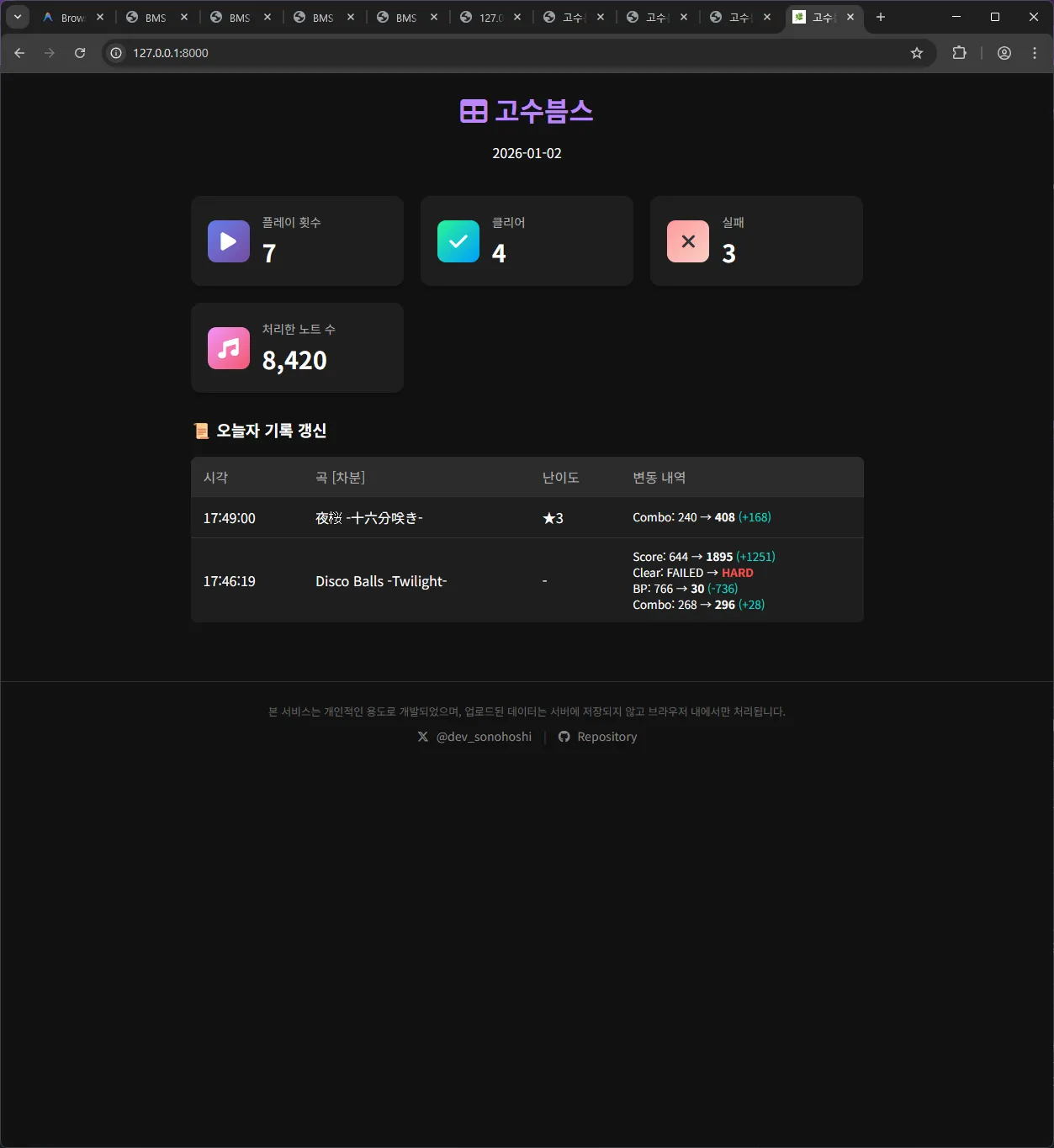
바이브코딩이 취미가 되어가는 것일까요? 그새 또 뭔가 하나를 뚝딱여왔습니다... be-music-script라는 동인 리듬게임 에뮬레이터 비슷한 친구의 플레이 로그를 정리해주는 서비스를 만들어봤어요. 많은 리듬게임 유저들은 자기가 얼마나 잘했는지 자랑하고 싶어하는데, db 파일을 읽은 뒤 당일의 멋진 성과들을 정리해주는 서비스입니다. 제가 쓰려고 만든건데 이것도 결국 엔지니어링? 결과물인걸까? 싶어 올려봅니다.
요즘 AI의 도움 덕분에 아이디어를 구현하는게 두렵지 않아졌다는 기분이 드네요. https://sonohoshi.github.io/gosubms/

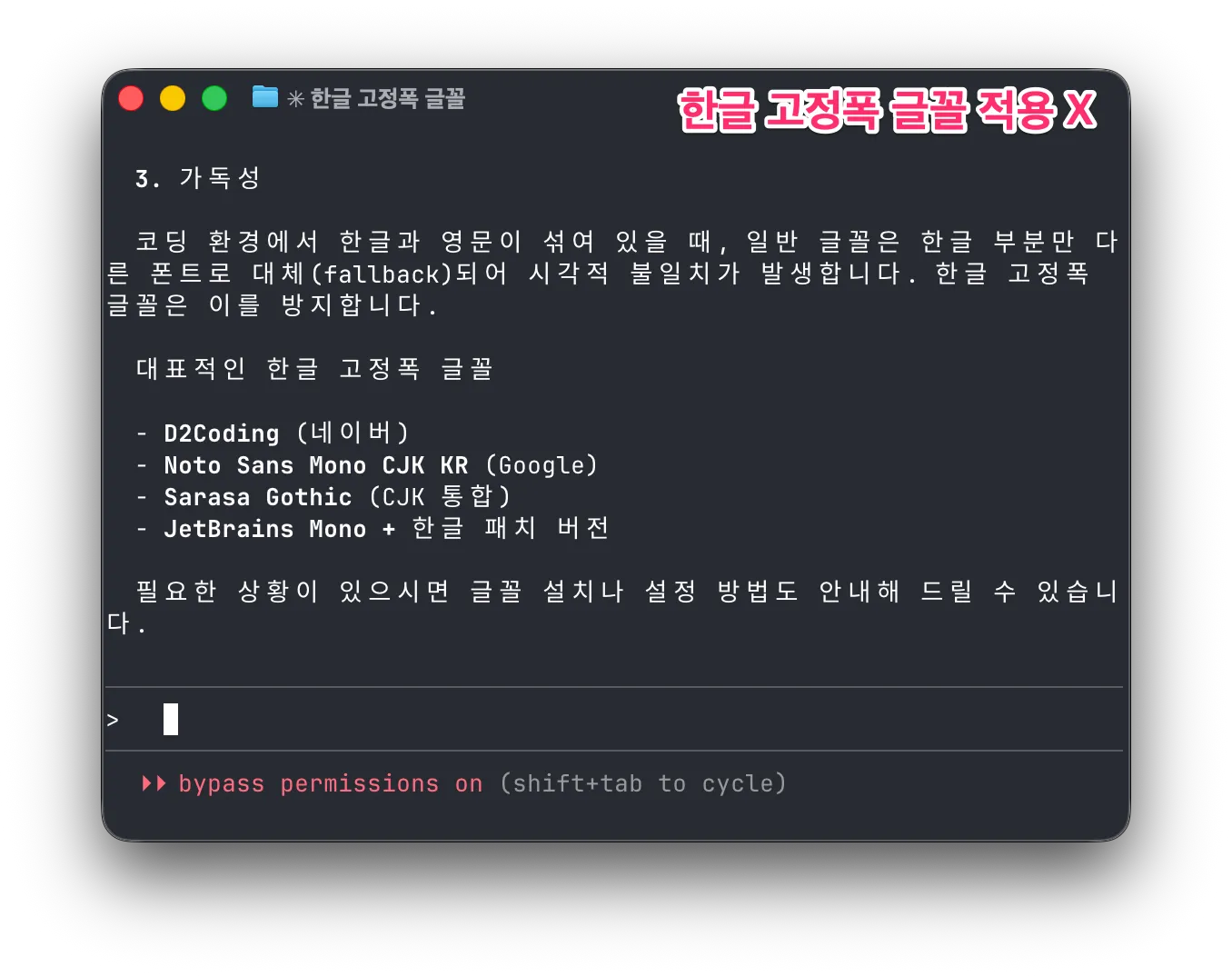
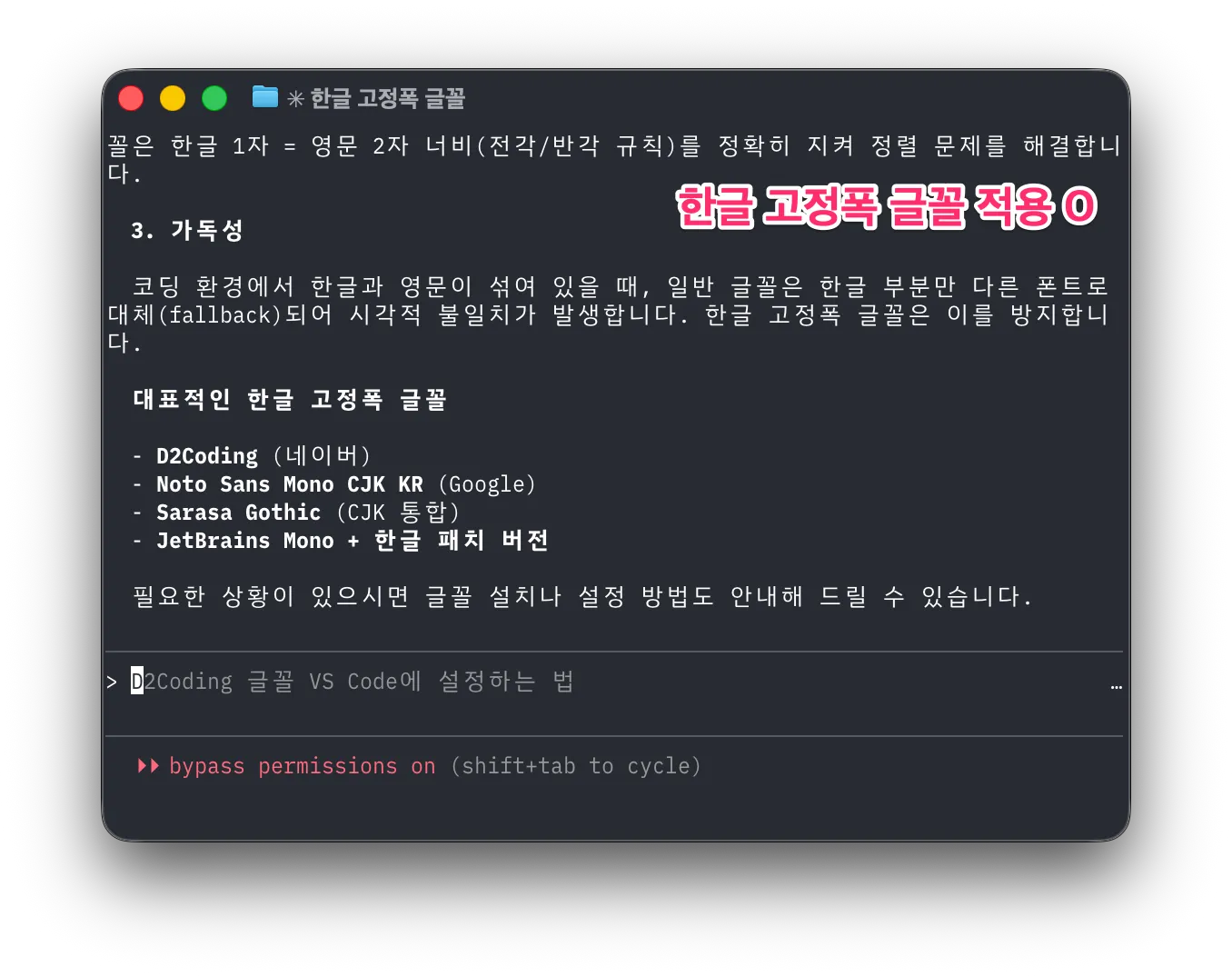
Claude Code의 인기와 함께 터미널에서 한글을 쓰는 모습을 자주 볼 수 있습니다. 하지만 터미널에서 쓰이는 한글은 글자간의 간격이 넓어 보기 좋지 않은 경우가 많습니다. 왜 이런 걸까요?
흔하게 쓰는 코드용 글꼴은 로마자, 숫자, 특수기호만을 다룰 뿐 한글은 다루지 않습니다. 그래서 터미널은 한글 표시를 하기 위해 대체 글꼴을 사용합니다. 대체 글꼴은 보통 OS의 기본 글꼴일 것입니다. 가변폭 글꼴이겠죠. 터미널은 이를 일부러 고정폭으로 만들기 위해 한글 한 자에 로마자 2자 폭을 할당하는데 이 과정에서 여백이 추가되면서 자간이 넓은 어색한 한글을 보게 되는 것입니다.
해결책은 한글 고정폭 글꼴을 사용하는 것입니다. 한글 고정폭 글꼴은 한글 1자를 로마자 2자 폭에 맞춰 만들었으므로 터미널이 더 이상 여백을 만들지 않습니다. 이러한 한글 고정폭 글꼴이 많진 않습니다. 10종이 안 되는 것 같네요. 저는 그중 Monoplex를 사용하고 있습니다. @hongminhee洪 民憙 (Hong Minhee) 님은 Sarasa Gothic을 사용하신다고 하네요. 적은 수의 글꼴이지만 맘에 드시는 걸 찾으셔서 예쁜 한글 출력을 보시면 좋겠습니다.
갠적으로 커밋 메시지나 PR 제목 앞에, feat:, fix:, chore: 붙이는 컨벤션은 뭘붙일지 애매한 경우가 너무 많아서 별로라고 본다.
Optique 0.9.0 pre-release is ready for testing!
The big new feature: sync/async mode support. You can now build CLI parsers with async value parsing and suggestions—perfect for shell completions that need to run commands (like listing Git branches/tags).
The API automatically propagates async mode through combinators, so you only decide sync vs async at the leaf level.
Try it:
npm  add       @optique/core@0.9.0-dev.212 @optique/run@0.9.0-dev.212
deno add --jsr @optique/core@0.9.0-dev.212 @optique/run@0.9.0-dev.212
I'd love feedback before merging! Especially interested in:
- API ergonomics
- Edge cases I might have missed
- TypeScript inference issues
Docs:
Optique 0.9.0 pre-release is ready for testing!
The big new feature: sync/async mode support. You can now build CLI parsers with async value parsing and suggestions—perfect for shell completions that need to run commands (like listing Git branches/tags).
The API automatically propagates async mode through combinators, so you only decide sync vs async at the leaf level.
Try it:
npm  add       @optique/core@0.9.0-dev.212 @optique/run@0.9.0-dev.212
deno add --jsr @optique/core@0.9.0-dev.212 @optique/run@0.9.0-dev.212
I'd love feedback before merging! Especially interested in:
- API ergonomics
- Edge cases I might have missed
- TypeScript inference issues
Docs:
Optique 0.9.0 프리릴리스 테스트 중입니다!
이번 주요 기능은 동기/비동기 모드 지원입니다. 이제 비동기 값 파싱과 자동완성을 지원하는 CLI 파서를 만들 수 있습니다. Git 브랜치/태그 목록처럼 셸 명령 실행이 필요한 자동완성에 딱이에요.
컴비네이터를 통해 async 모드가 자동으로 전파되기 때문에, 개발자는 말단 파서에서만 동기/비동기를 결정하면 됩니다.
설치:
npm  add       @optique/core@0.9.0-dev.212 @optique/run@0.9.0-dev.212
deno add --jsr @optique/core@0.9.0-dev.212 @optique/run@0.9.0-dev.212
머지 전에 피드백 주시면 정말 감사하겠습니다! 특히 이런 부분이 궁금해요:
- API 사용성
- 에지 케이스
- TypeScript 타입 추론 문제
문서:

TCP/IP is a social construct

Modern optimizing compilers are truly amazing. Rust / LLVM just broke my brain by turning what I was SURE would be poorly optimized code due to indirection into a tight result with zero perceptible overhead.
Modern CPUs also probably help.

WinGet도 요즈음은 Microsoft Store와 비슷한 정책을 적용하기 시작해서, 자동화된 검사 과정에서 식탁보 새 버전 매니페스트 등록이 막혔었는데, Moderator께서 정확한 판단을 내려주신 덕분에 무사히 새 버전이 게시되었습니다.
안타깝게도 Microsoft Store에는 식탁보를 등록하는 것이 계속 어려울 것으로 보입니다만, 대신 WinGet에 등록이 가능할테니 UniGetUI 등의 수단을 이용해서 커맨드라인 없이 식탁보를 쉽게 설치할 수 있는 방법을 조만간 공식 가이드로 내도록 하겠습니다.

Apple will allow alternative browser engines for iPhone and iPad users (iOS/iPadOS) in Japan.
https://developer.apple.com/support/alternative-browser-engines-jp/
Apple should allow alt engine for the rest of the world too. No point holding it back.

대한수학회 수학달력 2026년을 하루에 하나씩 짧게 설명해보는 타래

"Crafting Interpreters" 真的想教会我写自己的编程语言。